QR Codes for Luxury Goods & Brand Protection (2026)
For luxury and high-value brands, a QR code can prove authenticity, deepen the customer relationship, and fight counterfeits, if done with the care the category demands. Here is how luxury brands should use QR codes in 2026.

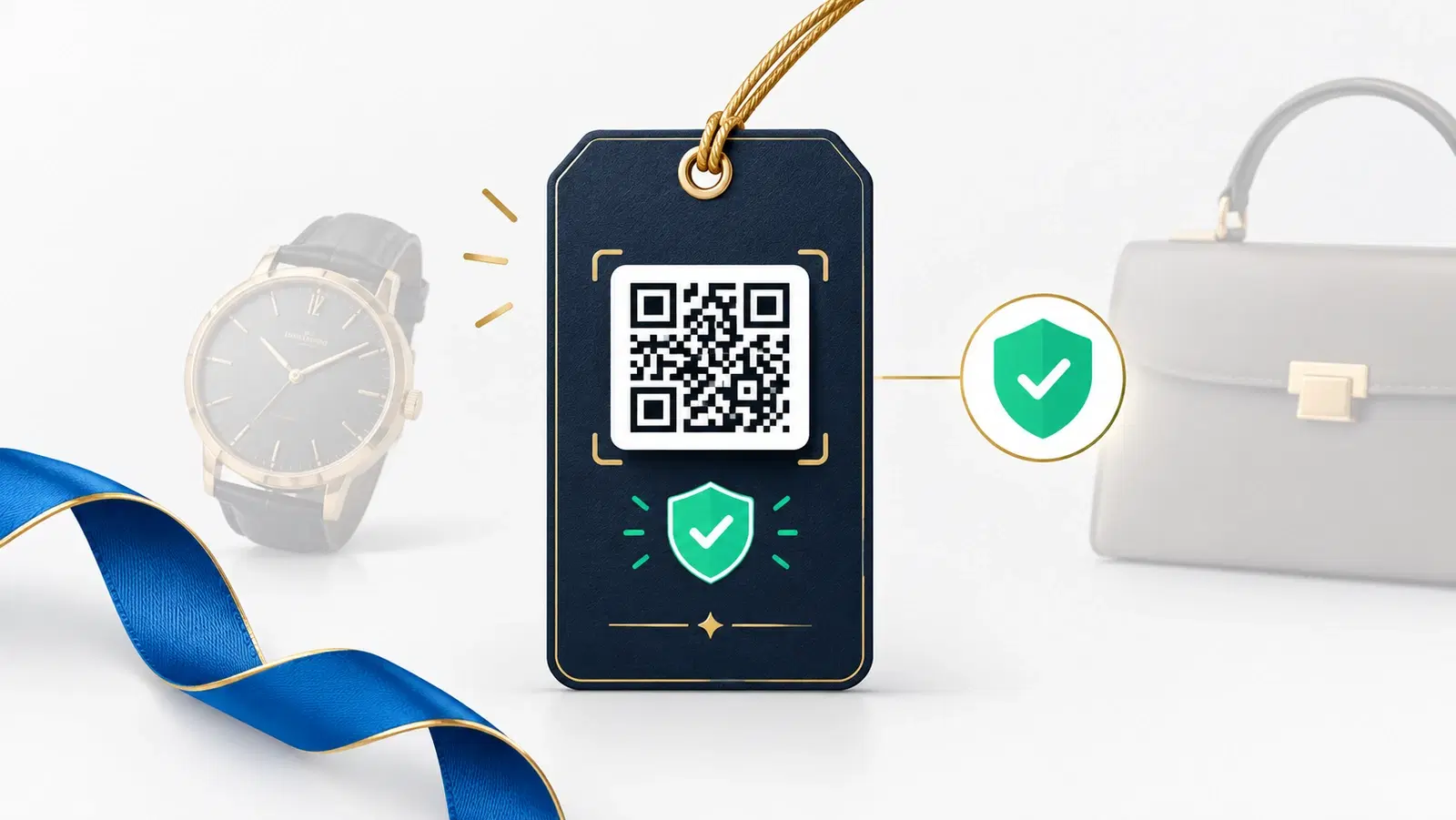
Luxury and high-value goods face a problem ordinary products do not: counterfeiting is rampant, customers pay a premium precisely for authenticity, and the brand experience must feel as considered as the product. A QR code, used well, can address all three, proving an item is genuine, deepening the owner's relationship with the brand, and making life harder for counterfeiters. Used poorly, a cheap-looking or clumsy code can cheapen the very premium feel a luxury brand depends on.
So for luxury, QR codes are not just a utility; they are a brand-experience and brand-protection decision that has to be executed with care. The authentication has to be credible, the experience has to feel premium, and the whole thing has to reinforce, not undermine, the brand's positioning.
This guide covers how luxury and high-value brands should use QR codes in 2026: authentication and anti-counterfeiting done credibly, the premium post-scan experience, and the execution details the category demands. It builds on our guides to anti-counterfeit QR codes and serialization; here we focus on the luxury and high-value context specifically.
Authentication Done Credibly
For luxury, the headline use is authentication, letting a buyer verify their item is genuine, and it has to be done credibly, because the whole value is trust.
Unique, serialized codes, not a shared one. Luxury authentication requires a unique code per item (serialization), each tied to that specific piece, not one shared code across a product line. This is what lets the brand verify an individual item and detect anomalies that suggest copying. A shared code proves nothing about an individual unit. See QR code serialization.
A brand-controlled verification experience. The code must lead to the brand's own verification system, on the brand's own domain, that confirms authenticity clearly and credibly. For luxury, this verification page is a brand touchpoint, it must look and feel premium and trustworthy, not generic. Control over this destination is also what keeps the brand the source of truth. See white-label / custom domain.
Honest about what it can and cannot do. Be clear-eyed (internally and with customers): a QR code cannot be made uncopyable, any code can be photographed. What serialized codes plus a controlled verification system provide is detection and deterrence, flagging duplicate scans, marking items, and giving buyers a credible check, not an impossible copy-proof guarantee. See can a QR code be copied. Overpromising "uncopyable" undermines the very trust luxury authentication is meant to build.
Layered with physical security. For high-value goods, the QR code works best as one layer alongside physical security, tamper-evident packaging, holograms, special materials, and placed so that tampering is evident. The QR provides the digital verification; the physical features provide tactile, hard-to-replicate assurance. Together they are far stronger than either alone. See anti-counterfeit QR codes.
The credibility principle: In luxury, a half-credible authentication is worse than none, because it invites doubt. Serialized codes, a premium brand-controlled verification experience, honest positioning, and physical layers together make authentication something customers can genuinely trust, which is the entire point.
The Premium Post-Scan Experience
Beyond proving authenticity, a scan is a rare, intimate brand moment with an owner who just bought or received a premium item. Luxury brands should treat it as such.
The scan is a brand experience, not a utility. When a customer scans a luxury item's code, they are engaged, curious, and invested. That moment deserves a destination that feels as considered as the product: beautifully designed, on-brand, and meaningful, not a bare "verified" message or a generic page. The post-scan experience should reinforce the premium feeling. See QR code landing pages.
What a premium post-scan experience can offer:
- Elegant authenticity confirmation: a refined, branded "this is genuine" moment, not a plain alert.
- The item's story and provenance: craftsmanship, materials, origin, the narrative that justifies the premium.
- Ownership benefits: warranty or registration, care instructions, exclusive content, or access reserved for genuine owners.
- A relationship, not a transaction: an invitation into the brand's world, services, or community for verified owners.
Why this matters commercially. Counterfeits steal revenue, but they also steal the customer relationship. By making the genuine item's scan a rich, owner-only experience, the brand both rewards authenticity (a reason to want the real thing) and builds a direct relationship with verified owners, data, engagement, and loyalty counterfeits can never offer. The scan turns a one-time purchase into an ongoing connection.
Mobile-perfect and refined. Since every scan is on a phone, the experience must be flawless on mobile, fast, elegant, and polished. For a luxury brand, a slow or clumsy mobile page is a jarring contradiction of everything the product stands for. The execution bar is higher here than for ordinary brands. See landing page best practices.
- Treat the scan as a premium brand moment, not a utility
- Elegant, on-brand authenticity confirmation (not a bare "verified")
- Share provenance, craftsmanship, and the item's story
- Offer owner-only benefits: warranty, care, exclusive content, community
- Flawless, refined mobile experience, the bar is higher for luxury
Execution Details the Category Demands
Luxury is unforgiving about execution, so the details of how the code looks and works matter more here than anywhere.
The code must look intentional and premium. A cheap, generic black-and-white code slapped on a luxury item undercuts the brand. Design the code to feel considered, tasteful branding, refined placement, and integration with the packaging or product, while keeping it perfectly scannable (contrast, quiet zone, size all intact). Discreet, elegant placement often suits luxury better than a prominent code. See QR code design and branding and how to add a logo without breaking it.
Reliability is non-negotiable. For a premium product, a code that fails to scan is a serious brand failure, it breaks trust at exactly the authentication moment. The code must be flawless: correct size, strong contrast, proper quiet zone, crisp printing, durable materials. Test relentlessly. See best practices, the quiet zone guide, and why codes fail to scan.
Permanent and brand-owned. Luxury goods last, and are resold, for years or generations, so the authentication must keep working indefinitely. Use permanent, dynamic codes on the brand's own domain, never a code that could expire or a third-party link that could lapse. A luxury authentication code that stops working, or points to someone else's domain, is unacceptable. See how to make a permanent QR code and white-label.
Serialized at scale, managed carefully. Because each item needs a unique code, the brand needs infrastructure to generate (via bulk or API), manage, and monitor serialized codes, including watching for the anomaly patterns that reveal counterfeiting. See serialization, bulk generation, and API.
Durable in the real world. Luxury items are handled, carried, and kept for a long time, so the physical code must endure, durable materials and placement that survives real use. See QR code stickers, materials, and durability.
The execution principle: Everything a luxury brand does is judged on execution, and the QR code is no exception. Premium design, flawless reliability, permanence on the brand's own domain, careful serialization, and real-world durability are not optional niceties here, they are the price of using QR codes in a way that enhances rather than cheapens a luxury brand.
Bringing It Together for a Luxury Brand
Here is how the pieces combine into a coherent luxury QR strategy.
The complete picture: 1. Serialized, unique codes on every item, for individual authentication and anti-counterfeit anomaly detection. 2. A premium, brand-controlled verification experience on the brand's own domain, elegant, credible, and reinforcing the brand. 3. A rich post-scan experience for verified owners, provenance, benefits, and an ongoing relationship. 4. Physical security layers alongside the code for high-value goods. 5. Flawless, premium, durable execution, the code looks intentional, scans reliably, lasts permanently, and survives real-world use. 6. Honest positioning, detection and deterrence of counterfeits, not an impossible "uncopyable" claim.
What it delivers:
- Brand protection: genuine items are verifiable and copies are detectable, making counterfeiting less rewarding.
- Customer trust: buyers can credibly confirm authenticity, which protects the premium they pay.
- Relationship and data: a direct, ongoing connection with verified owners that counterfeits cannot replicate.
- Reinforced positioning: done with care, the whole experience enhances the brand's premium feel.
Who should invest: Luxury fashion and accessories, watches and jewelry, premium spirits and cosmetics, collectibles and limited editions, and any high-value brand where authenticity commands a premium and counterfeiting is a real threat. For these, serialized, premium, well-executed QR authentication is increasingly a standard expectation, not a novelty.
The bottom line: For luxury and high-value brands, QR codes can prove authenticity, fight counterfeits, and deepen the owner relationship, but only when executed with the care the category demands: serialized codes, a premium brand-controlled experience, physical layers, flawless durable execution, and honest positioning. Done right, a QR code becomes a quiet guardian of the brand and a bridge to the customer. Done carelessly, it cheapens the very premium it was meant to protect. In luxury, the difference is entirely in the execution.
Conclusion
For luxury and high-value brands, QR codes are far more than a utility, they are a brand-protection and brand-experience decision. Done well, a code lets a buyer credibly verify their item is genuine, turns the scan into a premium owner-only experience, and makes counterfeiting harder and less rewarding. Done poorly, a cheap or unreliable code cheapens the very premium the brand depends on.
Credible authentication requires serialized, unique codes per item, a premium verification experience on the brand's own domain, physical security layers for high-value goods, and honest positioning, detection and deterrence, never an impossible "uncopyable" promise. Beyond proving authenticity, the scan is a rare, intimate brand moment: use it to share provenance, offer owner-only benefits, and build an ongoing relationship that counterfeits can never replicate.
Above all, luxury is judged on execution, so the code must look intentional and premium, scan flawlessly, last permanently on the brand's own domain, be serialized and managed carefully, and endure real-world use. Get those details right and a QR code becomes a quiet guardian of the brand and a bridge to the customer. In luxury, as with everything else, the difference between enhancing and cheapening the brand is entirely in the care of the execution.
Related reading:
Protect your brand with QRForever. Start a 7-day full-access trial, no credit card needed. Serialized, permanent, brand-owned codes with the reliability a premium brand demands.
Explore QRForever Solutions
Ready to Create Your Own QR Codes?
Start creating dynamic QR codes for your business today. Track analytics, update content anytime, and never reprint again.
Related Articles
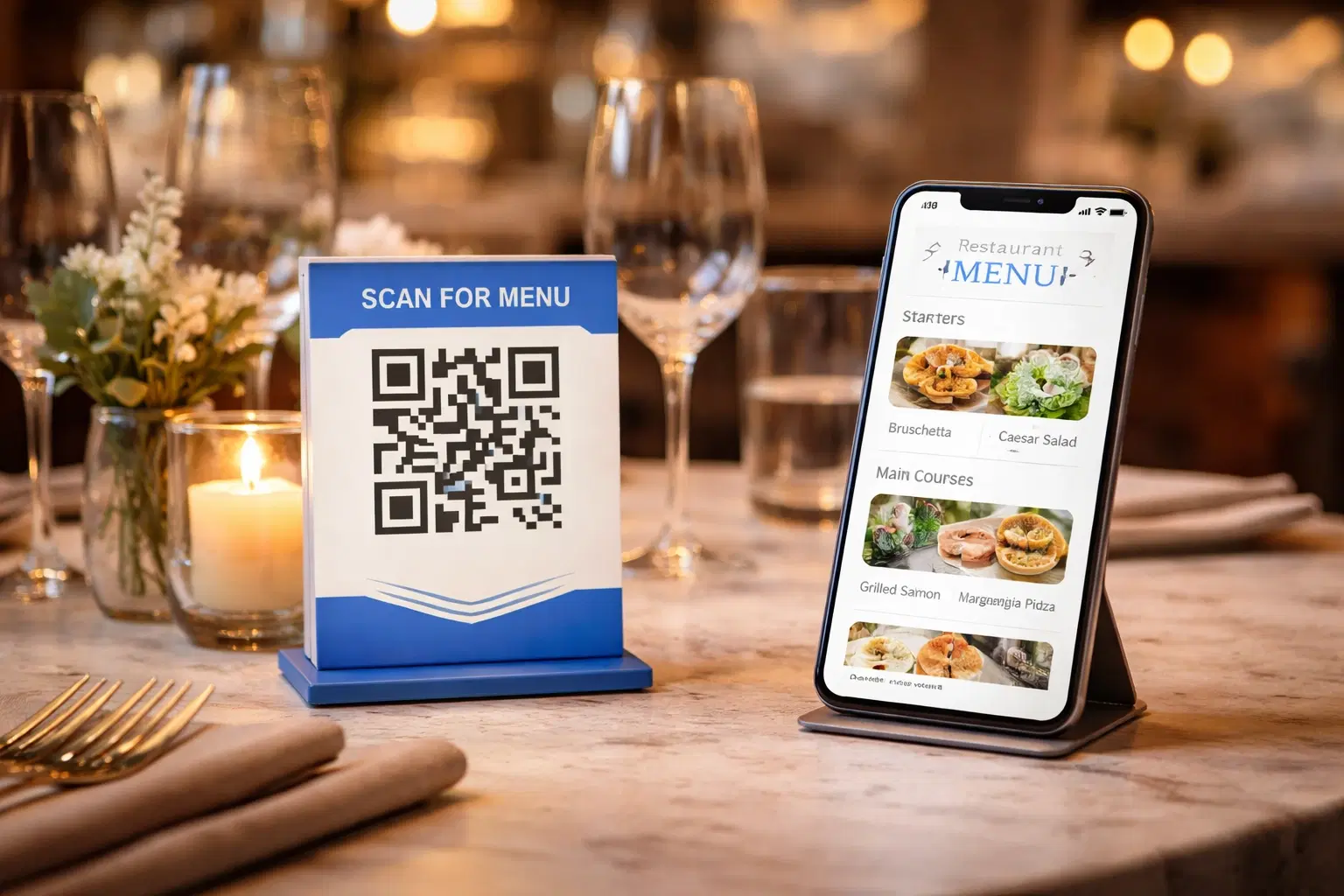
QR Code Menus for Restaurants: The Complete Setup Guide (Updated 2026)
Step-by-step guide to implementing QR code menus in your restaurant. Covers menu format options, placement strategy, staff training, and the one mistake that causes reprints. Updated May 2026.
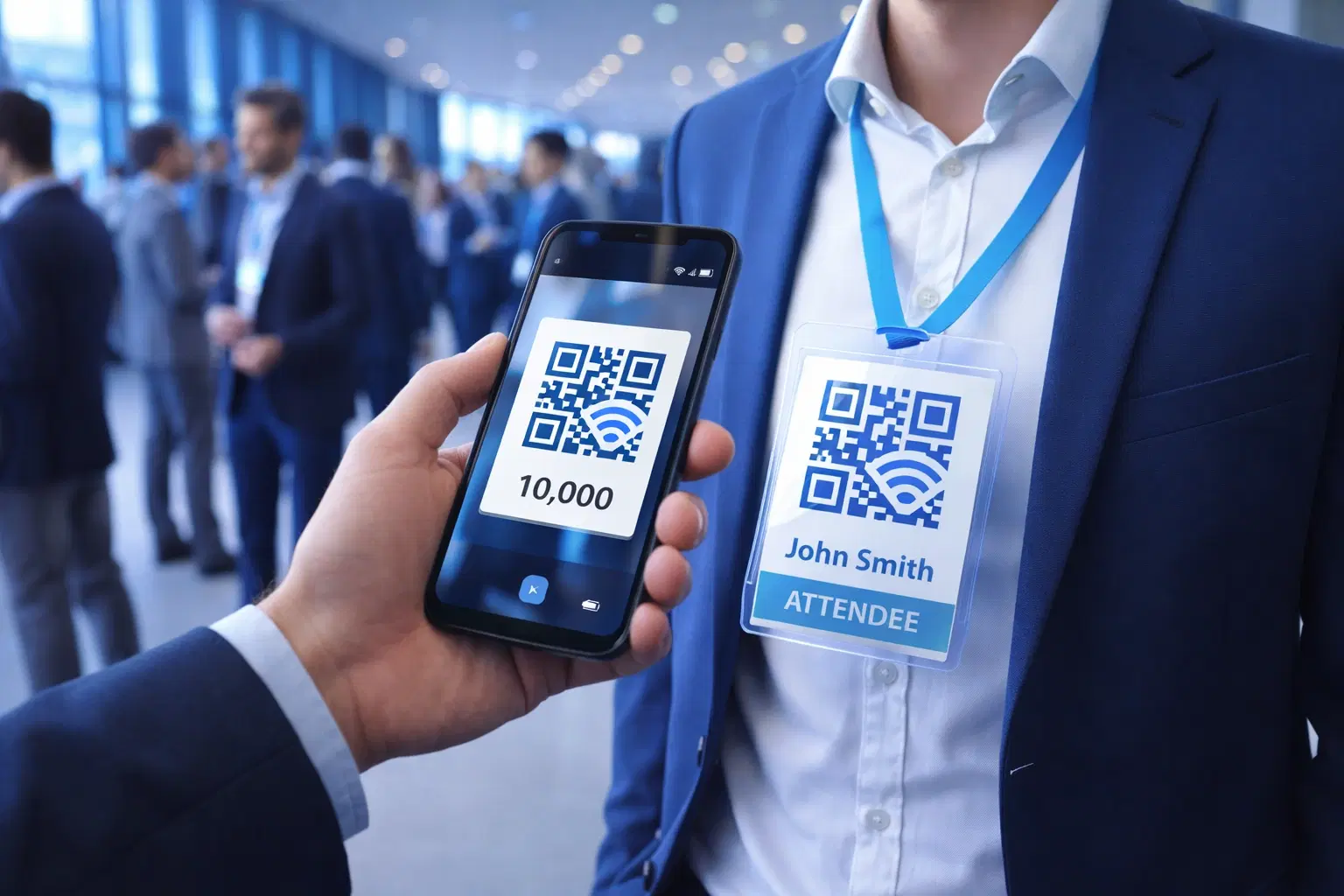
QR Codes for Events: Conferences, Trade Shows & Beyond (Updated 2026)
QR codes turn events from logistical pain into smooth data-rich experiences: instant check-in, smart networking, lead capture for exhibitors, and post-event ROI you can actually prove. Updated May 2026 with the current best practices.
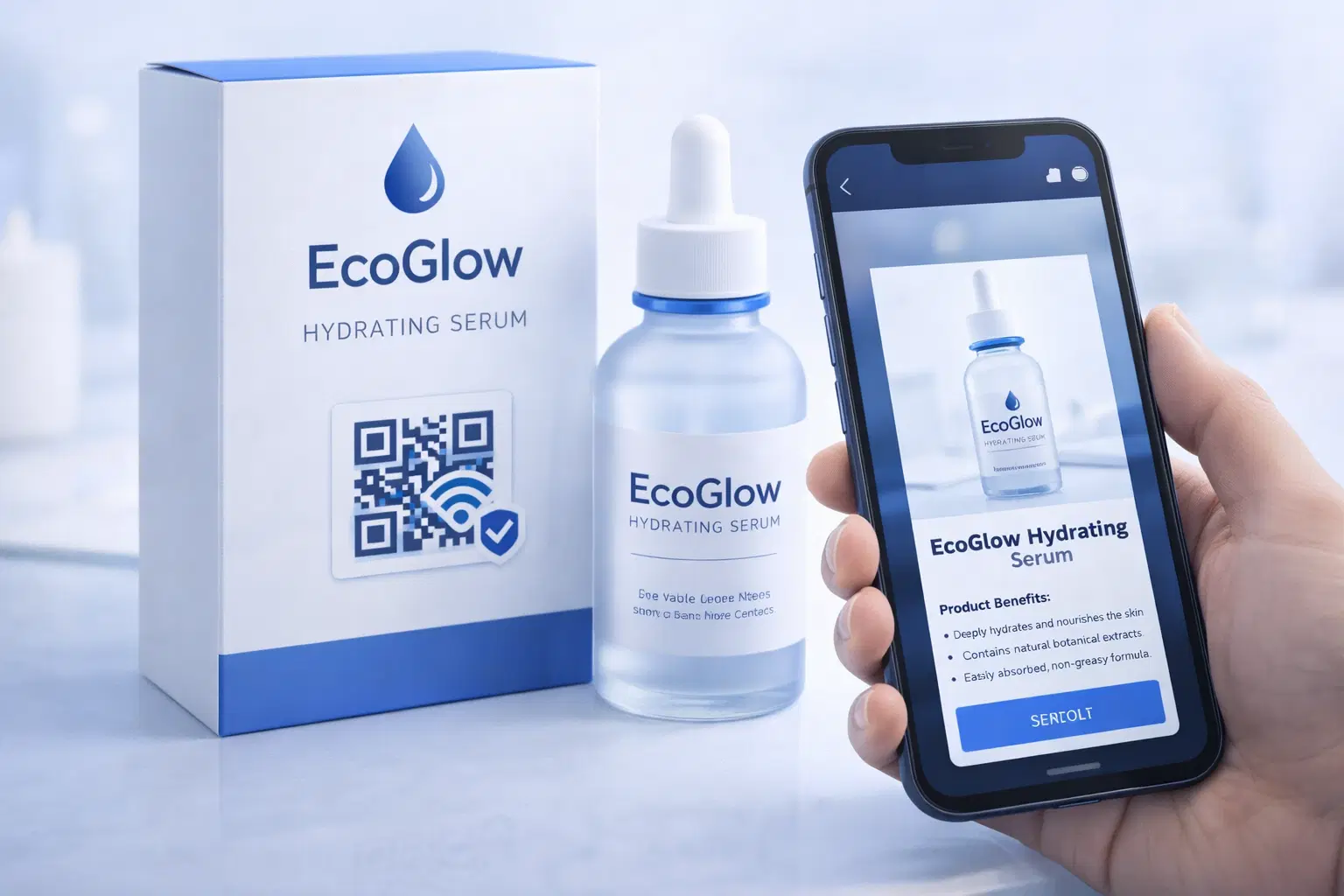
QR Codes on Product Packaging: Engaging Consumers Beyond the Shelf (Updated 2026)
Product packaging is your most-distributed marketing surface. Every unit on every shelf, in every home. QR codes turn that surface into a measurable, updatable channel for engagement, loyalty, and product education. Updated September 2026.