Can a QR Code Be Copied? Anti-Copy QR Codes Explained (2026)
Yes, any QR code can be photographed and copied, that is just how they work. The real question is how to detect or deter copying when it matters. Here is the honest answer on copying QR codes and what anti-copy really means in 2026.


It is a natural worry, especially if a QR code carries value or verifies something: can someone just copy my QR code? The honest answer is yes. A QR code is a visible pattern, and anything visible can be photographed, screenshotted, or reproduced. There is no way to make a QR code physically impossible to copy, and any product claiming otherwise is overpromising.
But that honest "yes" is not the end of the story, because copying a code is rarely the real concern. The real questions are: what can a copier actually do with it, and how do you detect or deter copying when it genuinely matters, for authenticity, anti-counterfeiting, or security? That is where "anti-copy" QR approaches come in, and understanding them clearly is far more useful than chasing an impossible copy-proof code.
This guide gives the honest answer on whether QR codes can be copied, what copying does and does not let someone do, and how anti-copy and anti-counterfeit techniques actually work in 2026. It pairs with our fuller guide on anti-counterfeit QR codes for product authentication; here we focus specifically on the copying question.
The Honest Answer: Yes, Any Code Can Be Copied
Let us be direct, because the honest answer matters more than a reassuring one.
A QR code is just a visible pattern. A QR code works by being seen and read by a camera. Anything a camera can read, a camera can also copy: photograph it, screenshot it, scan-and-reprint it. There is no hidden layer that makes the pattern itself impossible to duplicate. So at the level of "can the image be reproduced," the answer is always yes, for every QR code, from every provider. See how QR codes work.
Beware anyone claiming a "copy-proof" code. Because the pattern is inherently copyable, claims of a truly "copy-proof" or "uncopyable" QR code should be treated with skepticism. What good systems actually offer is not impossibility of copying but detection and deterrence of copying, which is a different, achievable thing. Honesty here protects you from overpaying for a promise that cannot be kept.
So the useful question is not "can it be copied?" Since the answer is always yes, the useful questions are:
- What can someone actually do with a copy?
- Does it matter for my use case?
- If it matters, how do I detect or deter copying?
Those are answerable and actionable, and the rest of this guide addresses them. The copy-proof framing is a dead end; the detect-and-deter framing is where real protection lives.
What Copying Actually Lets Someone Do (Usually Not Much)
Before worrying about copying, understand what a copy actually enables, because for most QR codes, the answer is "nothing harmful."
For ordinary codes, a copy is harmless. Most QR codes just link to a web page, a menu, a site, a form. If someone copies that code, all they can do is send people to the same page you were already sending them to. There is no harm, because the code was public and the destination was meant to be reached. Copying a menu QR code achieves nothing for the copier. So for the vast majority of codes, copying simply does not matter.
A copy does not give access to your account or data. Copying the code does not let someone edit your dynamic code, see your analytics, or access your account. The code is just a pointer; control stays with whoever owns the code in the platform. So copying is not a security breach of your QR setup. See what QR analytics can track.
When copying DOES matter: Copying becomes a real concern in specific, higher-stakes cases:
- Product authenticity / anti-counterfeiting: a counterfeiter copies a genuine product's code onto fakes so they appear authentic when scanned. See product authentication.
- One-time or limited-use codes: a code meant to be used once (a ticket, a coupon, an access pass) copied and reused multiple times.
- Verification/trust contexts: anywhere a scan is meant to prove something is genuine, and a copy would falsely "prove" it too.
The key realization: Copying only matters when the code is supposed to represent authenticity, uniqueness, or one-time use. For everything else, which is most codes, copying is a non-issue. So first decide whether you are actually in a case where copying matters. If not, stop worrying, no anti-copy measures needed. If yes, read on for how detection and deterrence work.
Important
Do not pay for "anti-copy" or "copy-proof" features for ordinary marketing or informational QR codes. If your code just links to a public page, a copy does nothing harmful, it only sends people where you already wanted them to go. Anti-copy measures matter only for authenticity, one-time-use, or verification codes. For everything else, they solve a problem you do not have.
How Anti-Copy and Anti-Counterfeit Actually Work
When copying genuinely matters, you cannot prevent the copy, but you can detect and deter it. Here is how real anti-copy approaches work.
1. Unique codes per item (serialization) + duplicate detection. The most effective software approach: give each item its own unique code (serialization) tied to an individual record, and watch for anomalies. A single unique code is expected to be scanned by one buyer; if the same unique code suddenly gets scanned many times, or from many far-apart locations, that is a strong signal it has been copied onto counterfeits. You cannot stop the copy, but you can detect the pattern a copy creates. See QR code serialization.
2. One-time / limited-use codes. For tickets, coupons, or access passes, make the code single-use or limited-use: once redeemed, further scans are rejected. A copy then fails on the second use, because the system knows the code has already been used. This deters reuse-by-copying directly.
3. A brand-controlled, trusted verification destination. Point authenticity codes at your own verification system (ideally your own domain) that shows a clear "genuine" result and can flag anomalies. A copier can duplicate the code but cannot control your verification backend, so your system remains the source of truth. See white-label / custom domain.
4. Physical anti-copy layers (hardware, not software). Beyond software, physical security features add deterrence: tamper-evident packaging, holograms, special inks, or microtext around the code, and specialized "copy-detection" printed patterns that visibly degrade when photocopied. These are physical measures that sit alongside the QR code, not properties of the QR pattern itself. For high-stakes goods, they combine with the software approaches above.
The honest model of "anti-copy": You are never making the code uncopyable. You are making a copy either (a) detectable (via unique codes + anomaly monitoring), (b) useless (via one-time use), or (c) obviously fake (via physical features). Those are real, achievable protections, and together they make copying unattractive and low-value for a would-be counterfeiter, which is the actual goal.
- Unique per-item codes + duplicate-scan detection: makes a copy detectable
- One-time / limited-use codes: makes a copy useless after first use
- Brand-controlled verification destination: you stay the source of truth
- Physical layers (tamper-evident, holograms, copy-detect printing): deter and expose copies
- The goal is detect/deter/devalue copying, never the impossible "copy-proof" code
What to Actually Do About Copying
Here is the practical decision, so you apply the right amount of protection and no more.
Step 1: Decide if copying matters for your code.
- Marketing, menus, info, links, social: copying does not matter. Do nothing, use a normal (ideally dynamic) code and move on.
- Authenticity, one-time use, verification: copying matters. Apply the measures below.
Step 2 (if it matters): choose the right protections.
- For product authenticity / anti-counterfeiting: use unique per-item codes with duplicate-scan detection and a brand-controlled verification page, and add physical security features for high-value goods. See anti-counterfeit QR codes and serialization.
- For tickets / coupons / access: use one-time or limited-use codes so a copy fails on reuse.
- For luxury or high-value goods specifically: combine all of the above; see QR codes for luxury goods and brand protection.
Step 3: use dynamic codes so you can respond. Dynamic codes help even here: you control the destination and can see scan patterns, so you can detect anomalies and, if a code is compromised, repoint or disable it. A static code gives you none of that visibility or control. See dynamic vs static.
Step 4: set honest expectations. Communicate (internally and to customers) that the goal is to detect and deter copying, not to make an uncopyable code. That honesty builds trust and avoids overpromising. A system that reliably flags copies and makes them useless is genuinely protective, and achievable, whereas "copy-proof" is neither.
The bottom line: Yes, any QR code can be copied, that is physics, not a flaw in your provider. But copying only matters for authenticity, one-time-use, and verification codes, and for those, unique codes with duplicate detection, one-time use, a controlled verification destination, and physical layers make copies detectable, useless, or obviously fake. Match the protection to whether copying actually matters, and you get real security without chasing an impossible promise.
Conclusion
Can a QR code be copied? Honestly, yes, every QR code can, because it is a visible pattern and anything visible can be photographed or reproduced. No provider can make a truly copy-proof code, so treat such claims with skepticism. But that honest yes is not alarming once you ask the better question: what can a copy actually do, and does it matter for your use?
For the vast majority of codes, marketing, menus, links, information, copying is harmless: a copy just sends people where you already wanted them to go, and it gives no access to your account or data. Copying only matters for codes that represent authenticity, uniqueness, or one-time use. If that is not your situation, you need no anti-copy measures at all.
When copying does matter, you cannot prevent the copy, but you can make it detectable (unique per-item codes plus duplicate-scan monitoring), useless (one-time or limited-use codes), or obviously fake (physical features and a brand-controlled verification destination). That detect-deter-devalue model is real, achievable protection, and far more useful than an impossible "copy-proof" promise. Decide whether copying matters, apply the right measures if it does, use dynamic codes for visibility and control, and set honest expectations.
Related reading:
Create brand-controlled QR codes with QRForever. Start a 7-day full-access trial, no credit card needed. Dynamic, trackable codes on your own domain, so you can spot anomalies and respond.
Explore QRForever Solutions
Ready to Create Your Own QR Codes?
Start creating dynamic QR codes for your business today. Track analytics, update content anytime, and never reprint again.
Related Articles
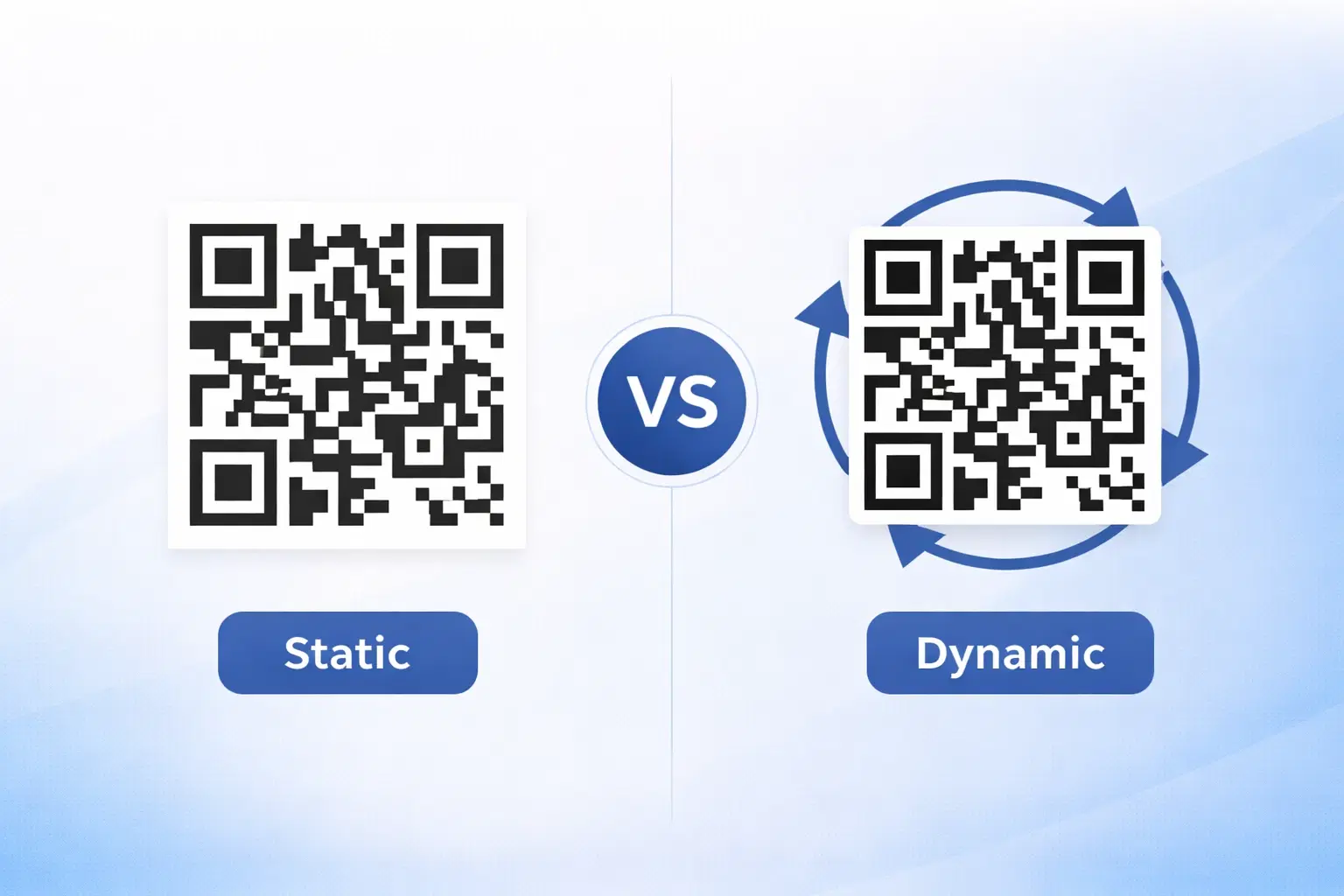
Dynamic vs Static QR Codes: Which One Should You Use? (Updated 2026)
The complete 2026 guide to dynamic vs static QR codes: when each type is right, the hidden costs of choosing wrong, and a decision framework you can apply in 60 seconds. Updated October 2026.
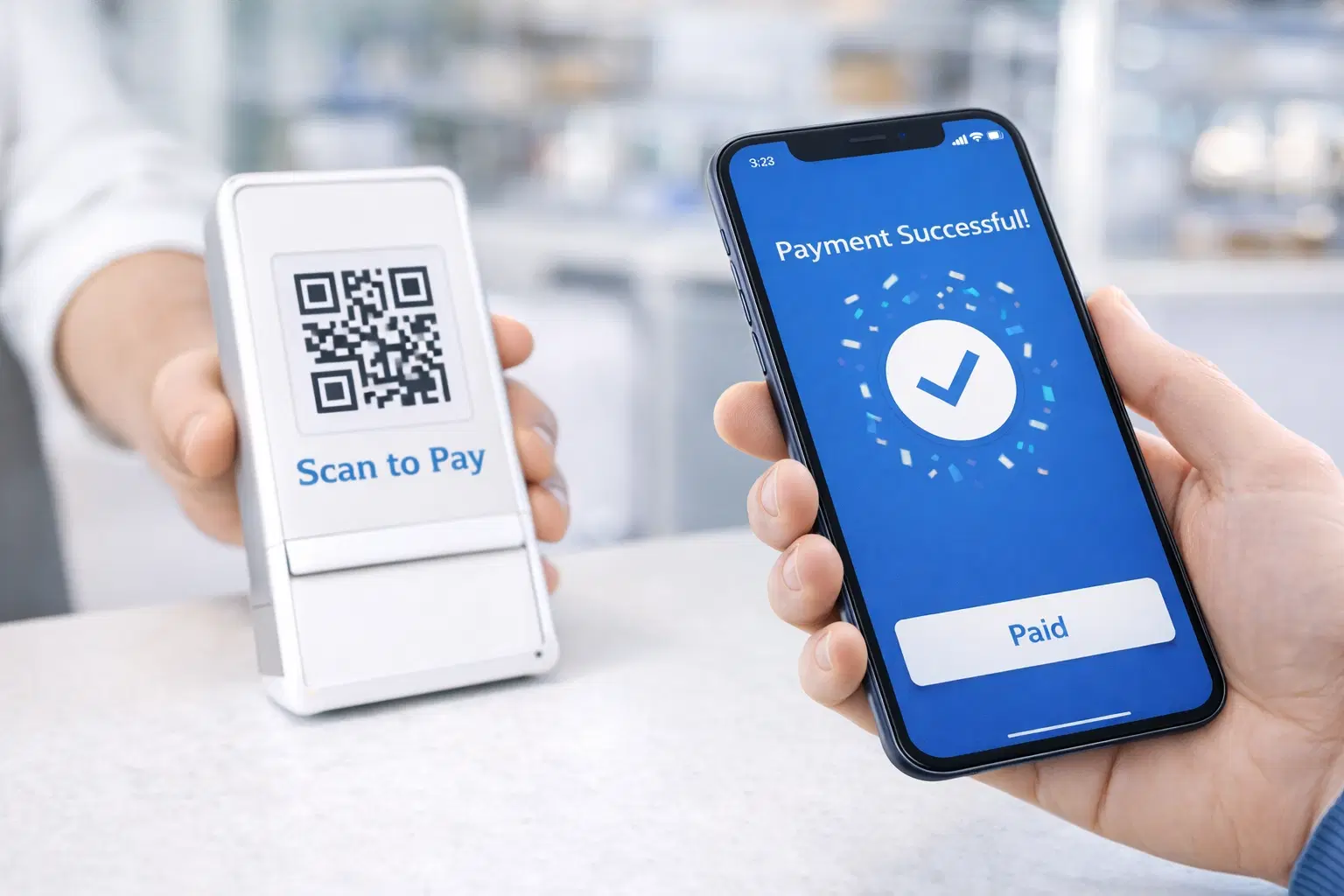
QR Code Payments Explained: How They Work and Why They Matter (Updated 2026)
QR code payments crossed record transaction volumes in 2025 and are now infrastructure, not novelty. Understand how they work: merchant-presented vs consumer-presented, UPI, security, and what it means for your business. Updated June 2026.
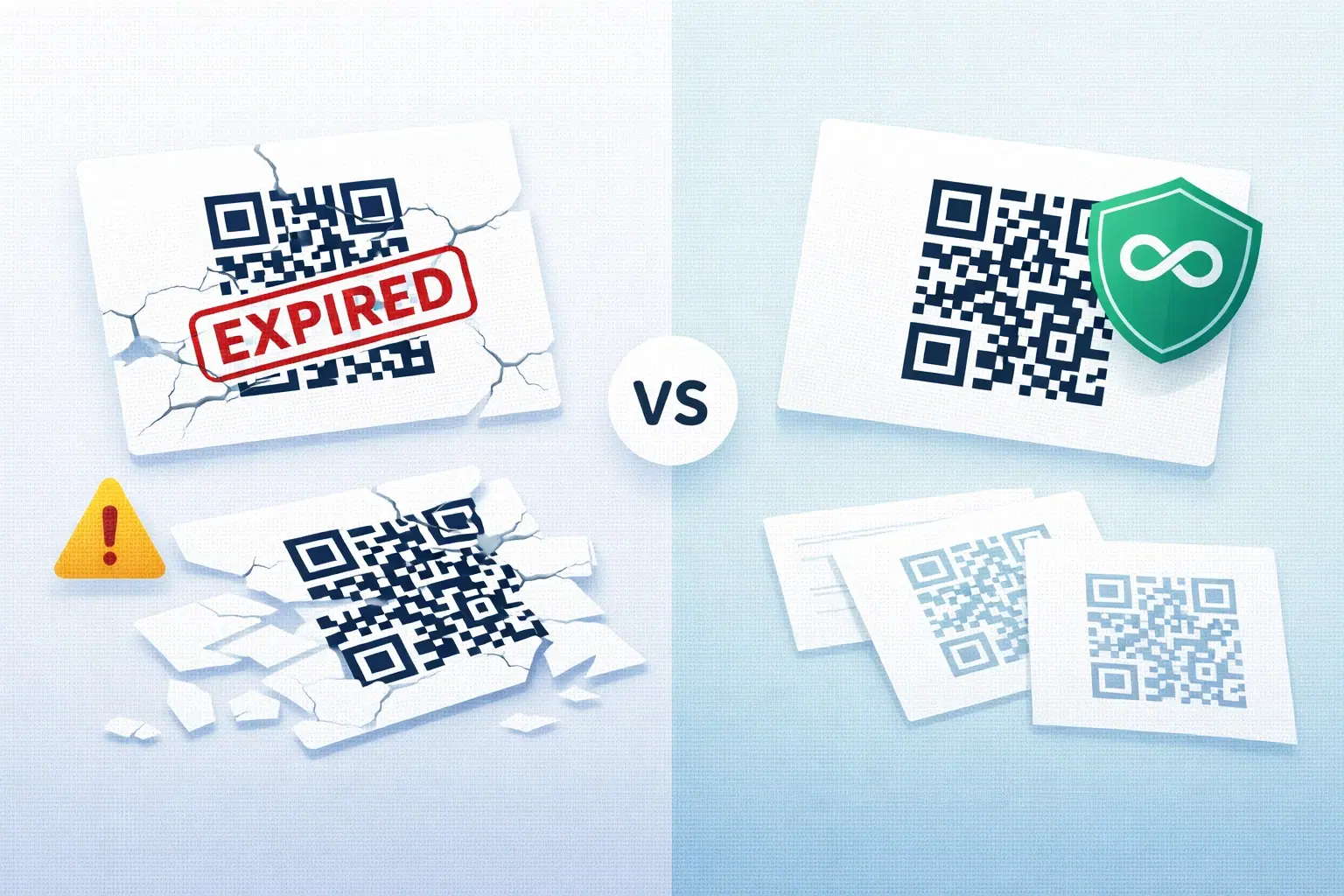
QR Codes That Never Expire: Why Most Free QR Codes Stop Working (Updated 2026)
Free QR codes often expire after 14 to 90 days, breaking printed materials and costing more in reprints than a paid plan ever would. Updated October 2026 guide with platform expiry timelines and a step-by-step rescue plan.