White-Label QR Code Generator: A Guide for Agencies & Resellers (2026)
If you run an agency or resell software, a white-label QR code generator lets you offer QR codes under your own brand without building the technology yourself. Here is how white-labeling works, what to look for, and how to price it in 2026.

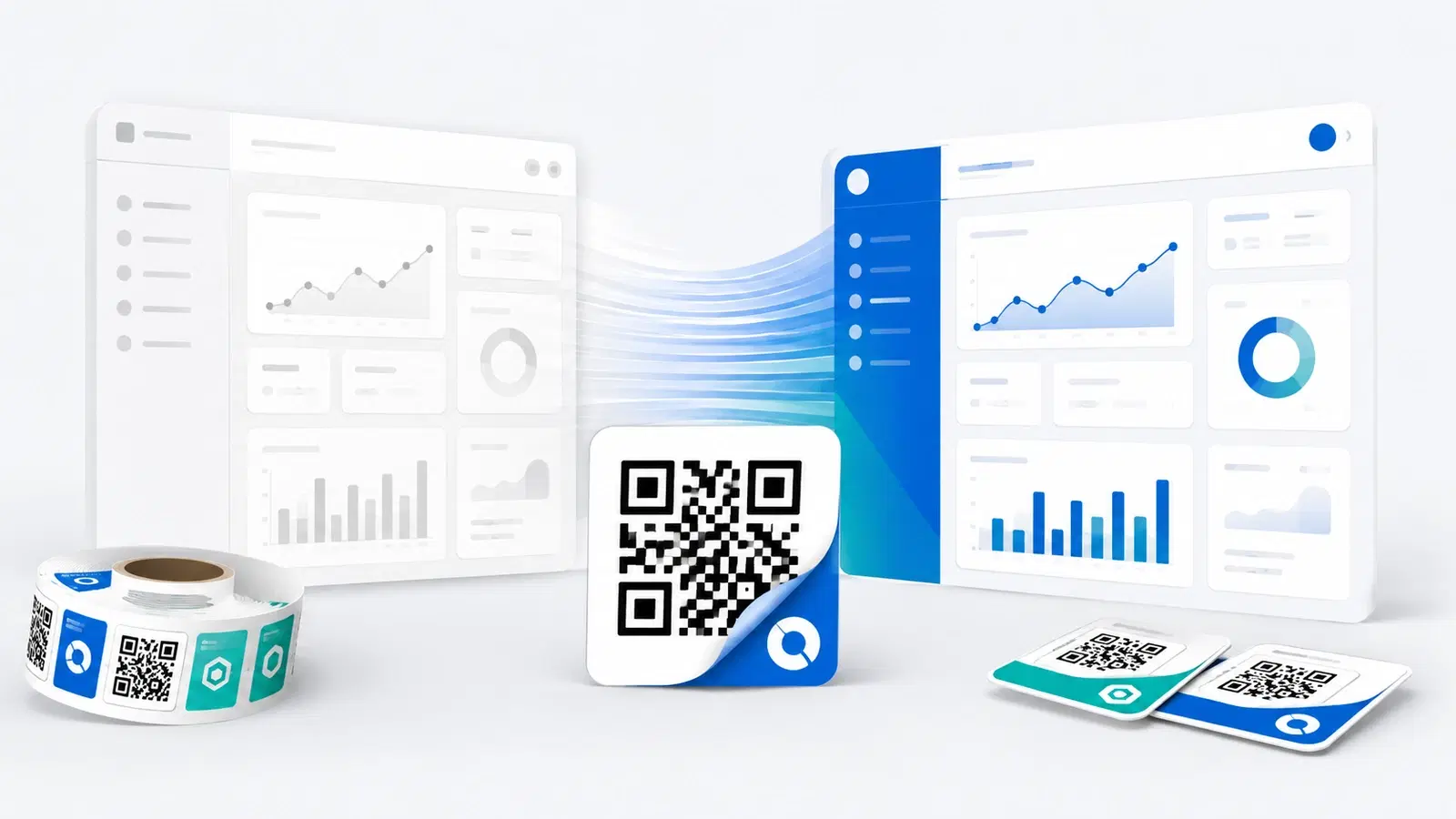
If you run a marketing agency, a SaaS product, or a web-design studio, your clients increasingly ask for QR codes: on packaging, on signage, in campaigns. You can send them to a third-party generator, or you can offer QR codes yourself, under your own brand, and keep the client relationship and the revenue. That second option is what a white-label QR code generator makes possible.
White-labeling means using someone else's QR code technology while presenting it as your own: your logo, your domain, your pricing, no visible mention of the underlying provider. Your clients see your brand; you skip years of engineering to build a dynamic QR platform from scratch.
This guide explains how white-label QR codes work in 2026, what to look for when choosing a platform, how agencies and resellers actually price it, and who should (and should not) bother. It is written for the business side of the decision, not the visual-design side. If you want to customize how a single QR code looks, see our QR code design and branding guide instead.
What "White-Label" Actually Means for QR Codes
White-labeling exists on a spectrum, and the word gets used loosely. For QR codes specifically, there are a few distinct layers, and it matters which ones a platform actually offers.
1. Branded QR codes (the shallow layer). Every decent platform lets you put your client's logo and colors into the QR code image itself. This is just design customization, not true white-labeling, and it is table stakes.
2. Branded short domain (the important layer). Dynamic QR codes redirect through a short link. By default that link shows the provider's domain. A genuine white-label setup lets the redirect run through your own custom domain, so a scanner who inspects the link sees your brand (or your client's), never the provider's. This is the single most important white-label feature, because the domain is what the end user actually sees.
3. Branded dashboard / reseller portal (the deep layer). The fullest form of white-labeling gives you a dashboard your clients log into that carries your logo, your colors, and your domain, with no trace of the underlying vendor. Your clients believe the whole platform is yours. Not every provider offers this, and it is usually reserved for higher business or enterprise tiers.
Why the layers matter: An agency that just needs branded codes for campaigns needs layer 1 and ideally layer 2. A reseller who wants to sell "our QR platform" as a product needs all three. Be honest with yourself about which you actually need before you pay for the deepest tier. For the underlying mechanics of how the redirect works, see our explainer on how QR codes work.
- Branded QR image (logo + colors): table stakes, every platform
- Branded redirect domain: the most important layer, what scanners see
- Branded client dashboard: the deepest layer, usually enterprise-tier
- Decide which layer you need before paying for the deepest one
What to Look For in a White-Label QR Platform
Once you know which layer you need, evaluate platforms on the criteria that actually affect your business, not the marketing checklist.
Custom domain support. Confirm you can point your own domain (or a subdomain) at the redirect service. Ask specifically whether it covers the scan-facing redirect link, not just the dashboard URL. This is the feature people most often assume and least often verify.
Dynamic codes as standard. White-labeling only makes commercial sense with dynamic QR codes, the kind you can edit after printing. Static codes cannot be changed or tracked, so there is little ongoing service to sell. Make sure dynamic codes, editable destinations, and scan analytics are included. See dynamic vs static QR codes for why this is the whole point.
Client separation and seats. If you manage codes for multiple clients, you want to keep their codes and data separate. Look for team or workspace features so each client's assets are organized and, ideally, so you can grant limited access. Our QR codes for teams guide covers this in depth.
Analytics you can hand over. A big part of the value you resell is reporting. Clients want to know how their codes performed. Make sure the analytics are clear enough to screenshot or export into your own reports. See what QR analytics can track.
Permanence. Your client's printed codes must keep working indefinitely. Avoid any provider whose free or low tiers expire codes, because an expired code on a client's printed material is a reputation problem for you, not just them. See how to make a permanent QR code.
Pro Tip
Before committing, run one real test: create a dynamic code on your own custom domain, print it, scan it with a phone, then change its destination and scan again. If the branded domain shows correctly and the redirect updates, the white-label plumbing works. If you cannot get your own domain on the redirect, it is not truly white-label.
How Agencies and Resellers Price White-Label QR Codes
The reason to white-label is revenue, so the pricing model matters as much as the technology. There are three common approaches, and they are not mutually exclusive.
1. Bundled into a retainer. The simplest model: QR codes are just one deliverable inside an existing marketing or design retainer. You do not itemize them; they are part of the value you already provide. This is the lowest-friction way to start, since there is no new billing conversation.
2. Per-project or per-campaign fee. For clients not on a retainer, charge a setup fee per campaign that includes creating the codes, branding them, and providing a scan report at the end. This suits event work, product launches, and seasonal campaigns.
3. Recurring managed service. The highest-value model: charge a monthly fee to manage a client's codes, including the ability to update destinations and deliver ongoing analytics. Because dynamic codes are editable forever, "we keep your printed codes pointing at the right place and report on them monthly" is a genuine recurring service. This is where white-labeling pays off, since your cost is one platform subscription while you bill multiple clients.
The margin math (in principle, not a guarantee): Your cost is a single platform subscription that supports many codes and clients. Your revenue is whatever the market will bear for a branded, managed service. The gap between one wholesale subscription and many retail relationships is the point of reselling. We are not going to invent specific numbers here, since your rates depend on your market and clients, but the structure is straightforward: one input cost, many billable outputs.
A note on honesty with clients: You are not obligated to disclose your underlying vendor, that is what white-label means, but you are obligated to deliver reliably. Since your brand is on the codes, their uptime and permanence are now your reputation. Choose a platform you trust to stay up, because you are the one the client will call.
Important
Do not resell a platform whose codes expire on lower tiers or whose free plan you are quietly relying on. If a client's printed campaign suddenly stops working because a code expired, that failure lands on your brand, not the vendor's. Reselling means their reliability becomes your liability.
Who Should White-Label QR Codes (and Who Should Not)
White-labeling is not for everyone. It adds a layer of setup and responsibility that only pays off for certain businesses.
Good fits:
- Marketing and creative agencies already producing print, packaging, and campaign work where codes are a natural add-on.
- Web-design and branding studios that want to offer an ongoing, recurring service beyond one-off site builds.
- SaaS products that want to embed QR generation as a feature of their own product without building it.
- Print shops and signage companies whose customers routinely ask for codes on the things they print.
Poor fits:
- A single business making codes only for itself. You do not need white-labeling to use QR codes; you just need a good generator. White-labeling is for offering codes to others under your brand. If this is you, start with a standard plan; see the best QR generator for small business.
- Anyone not ready to own reliability. If you are not prepared to be the point of contact when a client has a question, the branded-service model will frustrate everyone.
The bottom line: White-labeling makes sense when QR codes are part of a service you sell to others, and when you want the brand and the revenue to be yours. It is a business decision first and a technical one second. Get clear on which white-label layer you need, verify the custom-domain redirect actually works, choose a permanent and reliable platform, and pick a pricing model that fits how you already bill. Do that, and QR codes become a clean, high-margin addition to what you already offer.
Conclusion
A white-label QR code generator lets you offer QR codes under your own brand without building the underlying technology, and it turns codes into a resellable, often recurring, service. The key is to understand the layers: branded images are table stakes, a branded redirect domain is what actually matters to scanners, and a fully branded client dashboard is the deepest tier.
Evaluate platforms on custom-domain support, dynamic codes with analytics, client separation, and, above all, permanence and reliability, because once your brand is on the codes, their uptime is your reputation. Price it in the way that fits how you already bill, whether that is bundled into a retainer, charged per campaign, or sold as a recurring managed service, which is where the margin really lives.
If QR codes are something you deliver to clients, white-labeling is worth setting up. If you only make codes for your own business, you do not need it. Match the tool to the job.
Related reading:
Explore white-label and Business plans with QRForever. Start a 7-day full-access trial, no credit card needed. Custom domains, dynamic codes, and analytics you can hand to clients.
Explore QRForever Solutions
Ready to Create Your Own QR Codes?
Start creating dynamic QR codes for your business today. Track analytics, update content anytime, and never reprint again.
Related Articles
QR Codes for Small Businesses: A Practical Getting Started Guide (Updated 2026)
QR codes give small businesses the same tools big brands use, for free or near-free. This 2026 guide covers the essential use cases, the one mistake that costs reprints, and how to start in an afternoon. Updated June 2026.
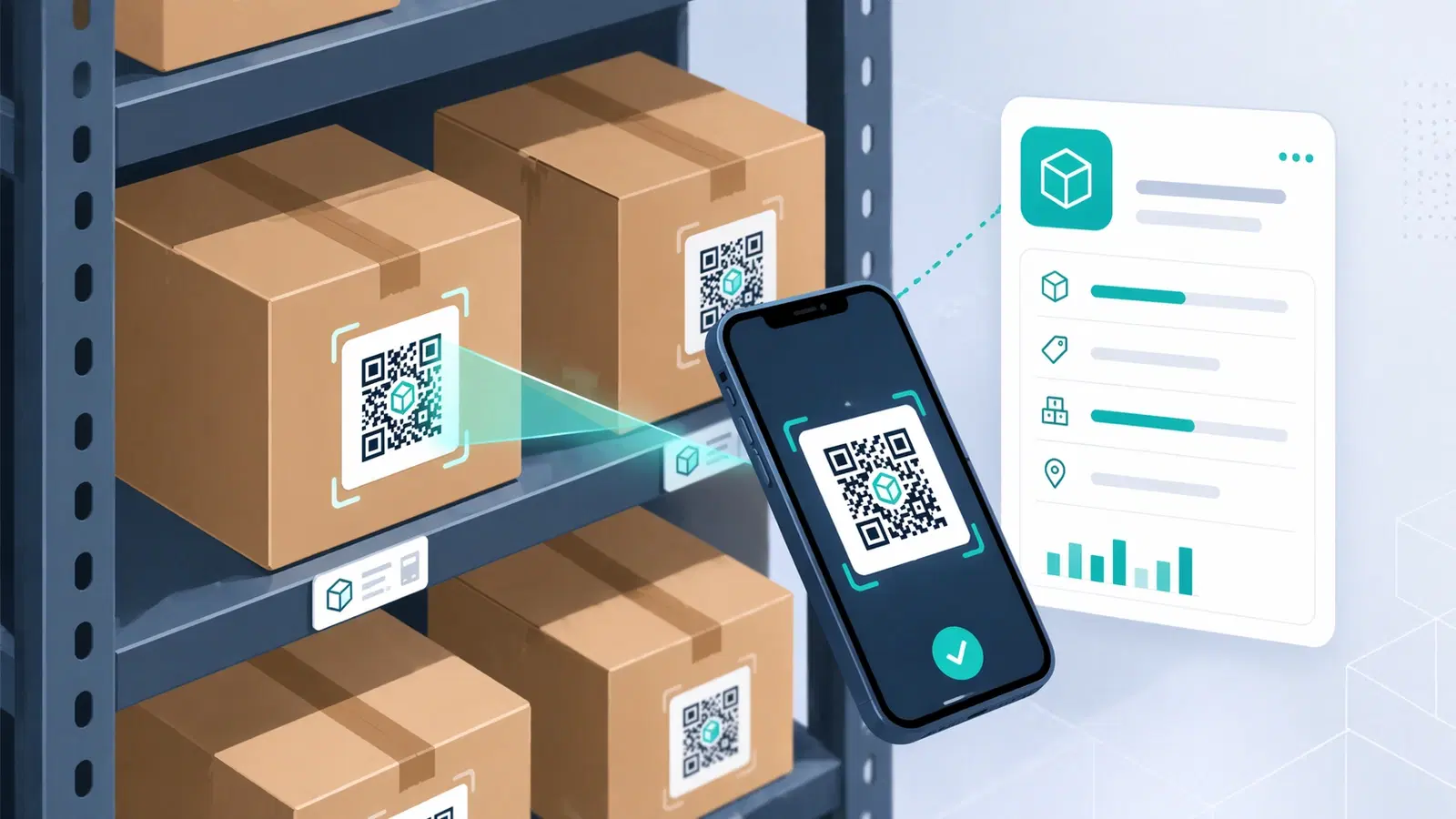
QR Code Inventory Management: Complete Asset Tracking Guide for 2026
Use QR codes to track inventory, assets, and equipment without expensive RFID hardware. Practical setup guide for small businesses, warehouses, and field teams.
How Much to Charge for QR Code Design Services (Freelancer Guide 2026)
Freelancers and agencies can charge ₹500 to ₹15,000+ for QR code work, the spread depends on what you bundle. Here's how to price QR code design services, what to include, and how to turn one-off projects into recurring revenue.