QR Codes for Product Authentication & Anti-Counterfeiting (2026)
Counterfeiting costs brands billions and erodes customer trust. QR codes offer a practical way to let customers verify a product is genuine with a single scan. Here is how QR-based product authentication works, and its real limits, in 2026.

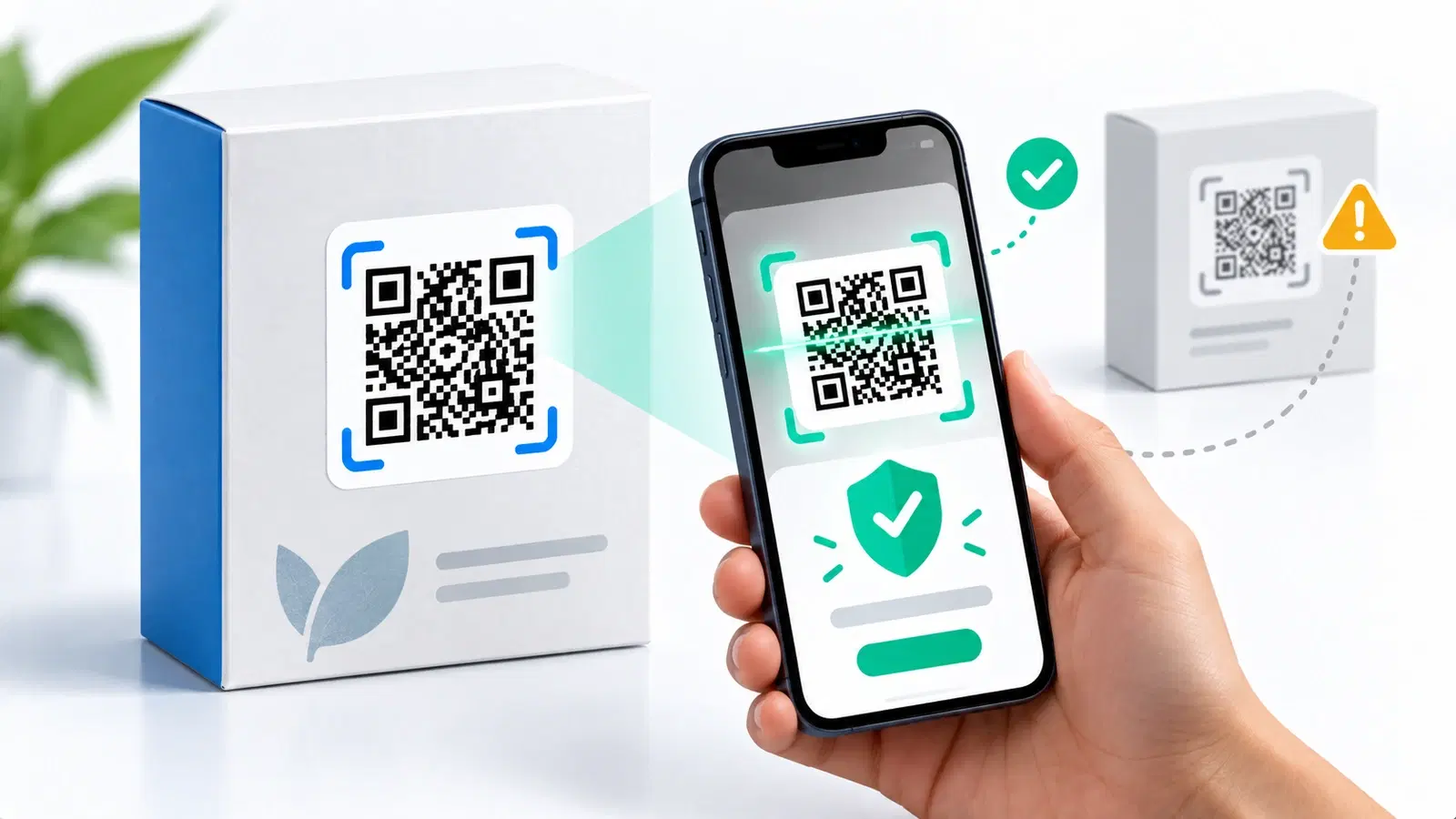
Counterfeiting is a massive, expensive problem: fake products steal revenue from brands, endanger customers (especially with medicines, cosmetics, and electronics), and erode the trust a brand spends years building. Customers, meanwhile, increasingly want to know that what they bought is genuine. QR codes offer a practical, low-cost way to bridge that gap: a code on the product that a customer can scan to verify authenticity.
Done well, QR-based product authentication gives customers instant reassurance, gives brands a channel to engage verified buyers, and raises the effort required to counterfeit convincingly. But it is important to be honest about what QR authentication can and cannot do, a plain QR code is not an unbreakable anti-counterfeit shield, and understanding its real limits is essential to using it effectively.
This guide covers how QR-based product authentication works in 2026, the difference between approaches (shared vs unique codes), the genuine limits, and best practices. It is a distinct use case from general product packaging engagement; here the focus is specifically on verifying authenticity and fighting counterfeits.
How QR-Based Authentication Works
The core idea is simple: put a code on the genuine product that leads to proof of authenticity, so customers can check. The details determine how effective it is.
The basic flow: 1. The brand puts a QR code on each genuine product (or its packaging). 2. A customer scans the code. 3. The code leads to a verification result, typically a brand-controlled page confirming the product is genuine, often with product details, and sometimes prompting the customer to confirm or register.
The key is a brand-controlled destination. For authentication to mean anything, the code must lead to a destination the brand controls, its own verification page or system, not just any page. A dynamic code on the brand's own domain is ideal, because it is unambiguously the brand's, and it can be managed and monitored. See dynamic vs static and white-label / custom domain.
What the customer gets:
- Instant confirmation the product is genuine (a positive, trust-building moment)
- Often product information, usage, or registration
- A sense that the brand takes authenticity seriously
What the brand gets:
- A trust signal that differentiates genuine products
- A channel to engage verified buyers (warranty registration, offers, feedback)
- With the right setup, data on verification scans, where and how often products are checked
The two broad approaches: There are two fundamentally different ways to do this, shared codes and unique per-item codes, and the choice massively affects how much anti-counterfeit protection you actually get. That is the next, crucial section.
Shared vs Unique Codes (This Changes Everything)
The single biggest decision in QR authentication is whether every product carries the same code or each item carries a unique one. They offer very different levels of protection.
Shared code (same code on every product). The simplest approach: the same QR code on all products, leading to a "this is a genuine Brand X product" page. It is easy and cheap, but its anti-counterfeit value is limited, because a counterfeiter can simply copy the one code onto fakes, and it will "verify" just like the real one. A shared code mostly signals that the brand cares about authenticity and provides brand info; it does little to actually distinguish a genuine item from a copied code.
Unique codes (a different code per item). Far stronger: each individual product gets its own unique code, tied to a specific item record. Now the verification system can do things a shared code cannot:
- Detect duplicates - if the same unique code is scanned many times or from many places, that is a red flag it has been copied onto counterfeits.
- Mark a code as used/registered - once a genuine buyer registers or the item is sold, unusual re-verification can be flagged.
- Give item-level data - each scan is tied to a specific unit, enabling real tracking.
Unique per-item codes require generating many codes (see bulk generation and, at scale, an API) and a system to manage them, but they provide genuinely meaningful anti-counterfeit capability that shared codes cannot.
The honest guidance:
- Use a shared code if your goal is mainly customer reassurance and engagement, and you accept it does not truly stop copying.
- Use unique codes if you want real anti-counterfeit capability, the ability to detect duplicate scans and tie verification to individual items.
For serious authentication, unique per-item codes are the meaningful choice.
- Shared code: cheap and simple, but a counterfeiter can copy the one code onto fakes
- Shared code: mainly signals the brand cares + provides info, not real protection
- Unique per-item codes: can detect duplicate scans, a genuine anti-counterfeit signal
- Unique codes: tie verification to individual items and enable item-level data
- For serious authentication, unique per-item codes are the meaningful choice
The Real Limits (Be Honest)
Using QR authentication well means being clear-eyed about what it cannot do. Overstating its protection is a mistake.
A QR code can be copied. This is the fundamental limit: a QR code is just a visible pattern, and anyone can photograph and reproduce it. So the code itself is not tamper-proof or copy-proof. A shared code copied onto a fake will verify as genuine. Even unique codes can be copied, though duplicate-scan detection is what gives them value (a copied unique code, scanned alongside the original, creates a detectable anomaly).
Verification depends on customers actually scanning. Authentication only works if customers bother to scan and check. Many will not. So it is a tool that helps engaged, cautious customers verify, not an automatic shield on every unit.
It is one layer, not a complete solution. Serious anti-counterfeiting usually combines multiple measures: QR verification plus physical security features (holograms, tamper-evident packaging, special materials), and sometimes more advanced tech. A QR code is a valuable, low-cost layer, especially with unique codes and duplicate detection, but it works best as part of a broader strategy, not alone.
Sophisticated counterfeiters adapt. Determined counterfeiters can copy codes, mimic packaging, and even set up convincing fake verification if a brand is careless about controlling the destination. This is why the destination must be firmly brand-controlled (ideally your own domain) and why unique codes with anomaly detection matter for real protection.
The honest positioning: QR authentication is genuinely useful, it reassures customers, engages verified buyers, adds friction for counterfeiters, and (with unique codes) enables real duplicate detection. But it is not magic. Present it to customers and internally as a helpful verification and trust tool, and, for real protection, implement it properly (unique codes, controlled destination, duplicate detection) as one layer of a broader anti-counterfeit approach. Overpromising "scan to guarantee it's real" on a shared code that anyone can copy is the mistake to avoid.
Important
Do not oversell QR authentication, especially with shared codes. Because any QR code can be photographed and copied, a single shared "verify authenticity" code offers little real protection: a counterfeiter copies it onto fakes and it verifies just the same. Real anti-counterfeit value comes from unique per-item codes with duplicate-scan detection, a brand-controlled destination, and physical security features alongside. Treat QR as one honest layer, not a guarantee.
Best Practices for QR Authentication
To get genuine value from QR-based authentication, implement it thoughtfully. Here are the practices that matter.
1. Use unique per-item codes for real protection. If anti-counterfeiting is a genuine goal (not just reassurance), invest in unique codes per item with a system that can detect duplicate or anomalous scans. This is what turns QR from a symbol into a real deterrent. See bulk generation and API for creating them at scale.
2. Control the destination absolutely. The code must lead to your own verification system, ideally on your own domain, so customers land on unmistakably-yours proof. Never let the verification destination be something a counterfeiter could spoof. Use dynamic codes so you control and can update the destination. See white-label / custom domain.
3. Make the verification experience clear and reassuring. When a customer scans, the result should be immediate and clear: genuine or not, with helpful product info. A confusing verification page undermines the trust you are trying to build. See landing page best practices.
4. Combine with physical security features. Pair QR verification with tamper-evident packaging, holograms, or other physical measures so the code is one layer among several. Placing the code under a tamper-evident seal, for instance, adds meaning to the scan.
5. Educate customers to scan and verify. Authentication only works if people use it. Encourage customers to scan and verify with clear prompts and a strong call to action, and explain the benefit (confidence they have the genuine product).
6. Monitor verification data. Watch the scan/verification data for anomalies, unusual duplicate scans, verifications from unexpected regions, that can indicate counterfeiting. This monitoring is a real benefit of unique codes and a controlled system. See what analytics can track.
7. Keep the codes permanent and reliable. Verification must keep working for the life of the product, so use permanent codes on a reliable system. A verification code that expires is worse than none. See why free QR codes stop working.
The bottom line: Implemented properly, unique codes, a firmly brand-controlled destination, clear verification, physical features alongside, customer education, and monitoring, QR authentication is a genuinely valuable, low-cost layer of anti-counterfeit protection and customer trust. Implemented lazily (a shared, copyable code with vague promises), it is mostly decorative. The difference is entirely in how you set it up.
Conclusion
QR codes give brands a practical, low-cost way to let customers verify a product is genuine with a single scan, reassuring buyers, engaging verified customers, and adding friction for counterfeiters. But using them well means being honest about how they work and what they cannot do.
The decision that determines real protection is shared versus unique codes. A single shared "verify authenticity" code is cheap and reassuring but offers little true protection, because a counterfeiter can simply copy it onto fakes. Unique per-item codes, tied to individual records with duplicate-scan detection and a firmly brand-controlled destination, are what deliver genuine anti-counterfeit value. And even then, a QR code is one honest layer, best combined with physical security features, not a standalone guarantee, because any code can be photographed and copied.
Implement it properly, unique codes, a controlled destination on your own domain, clear reassuring verification, physical measures alongside, customer education, and anomaly monitoring, and QR authentication becomes a valuable part of protecting your brand and your customers. Implement it lazily and it is decorative. The value is entirely in the setup.
Related reading:
Create brand-controlled QR codes with QRForever. Start a 7-day full-access trial, no credit card needed. Permanent, trackable codes on your own domain for verification and trust.
Explore QRForever Solutions
Ready to Create Your Own QR Codes?
Start creating dynamic QR codes for your business today. Track analytics, update content anytime, and never reprint again.
Related Articles
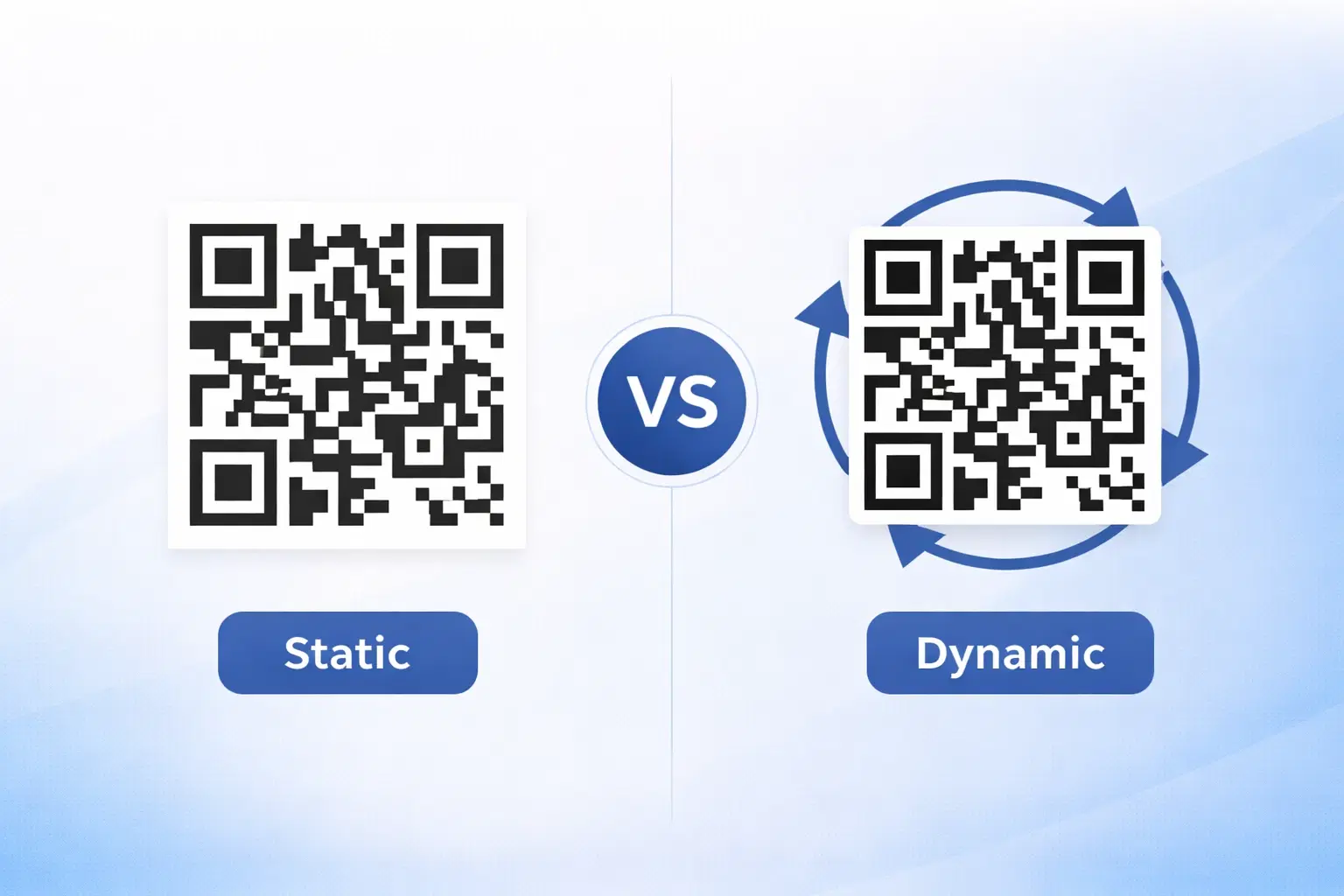
Dynamic vs Static QR Codes: Which One Should You Use? (Updated 2026)
The complete 2026 guide to dynamic vs static QR codes: when each type is right, the hidden costs of choosing wrong, and a decision framework you can apply in 60 seconds.
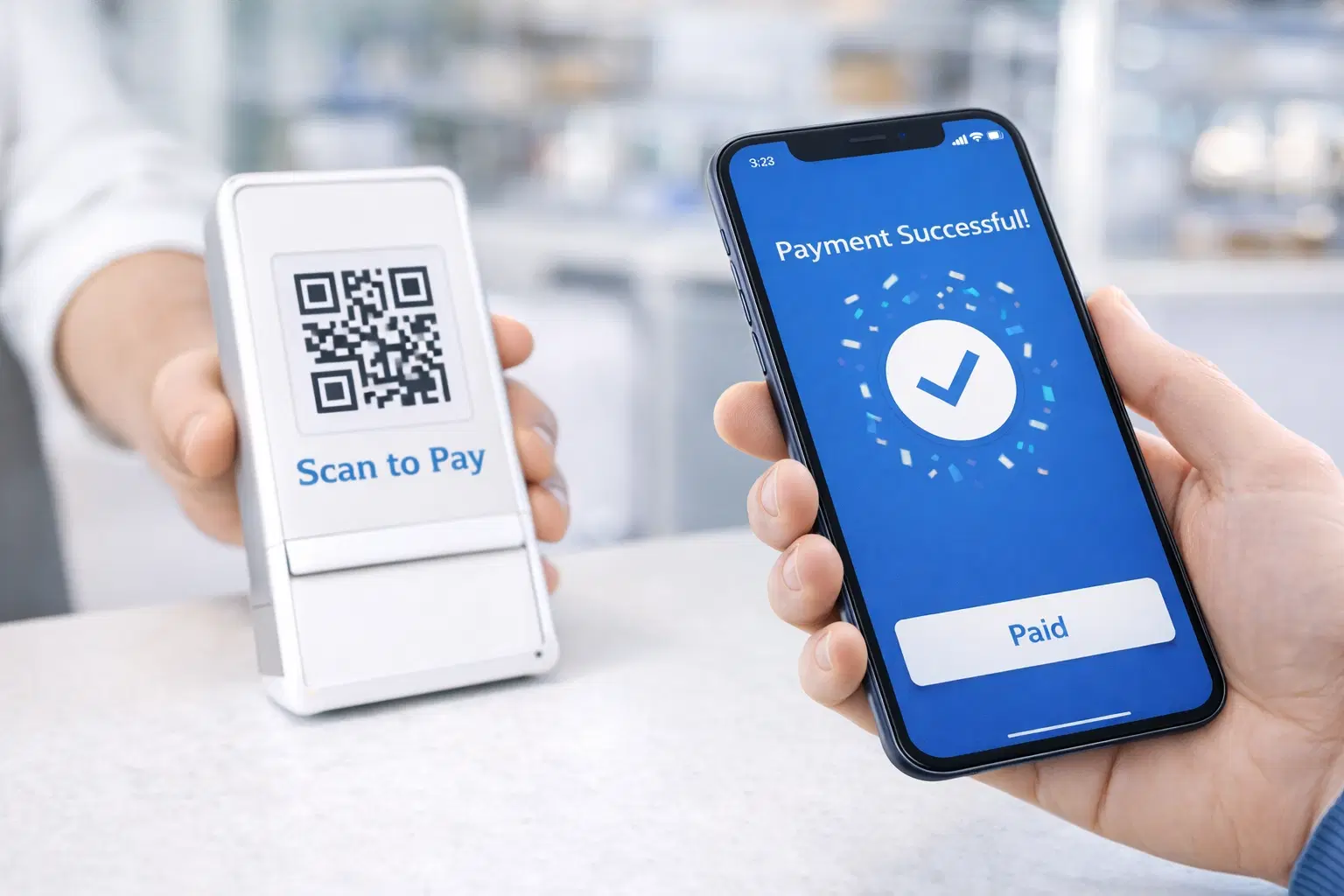
QR Code Payments Explained: How They Work and Why They Matter (Updated 2026)
QR code payments crossed record transaction volumes in 2025 and are now infrastructure, not novelty. Understand how they work: merchant-presented vs consumer-presented, UPI, security, and what it means for your business. Updated June 2026.
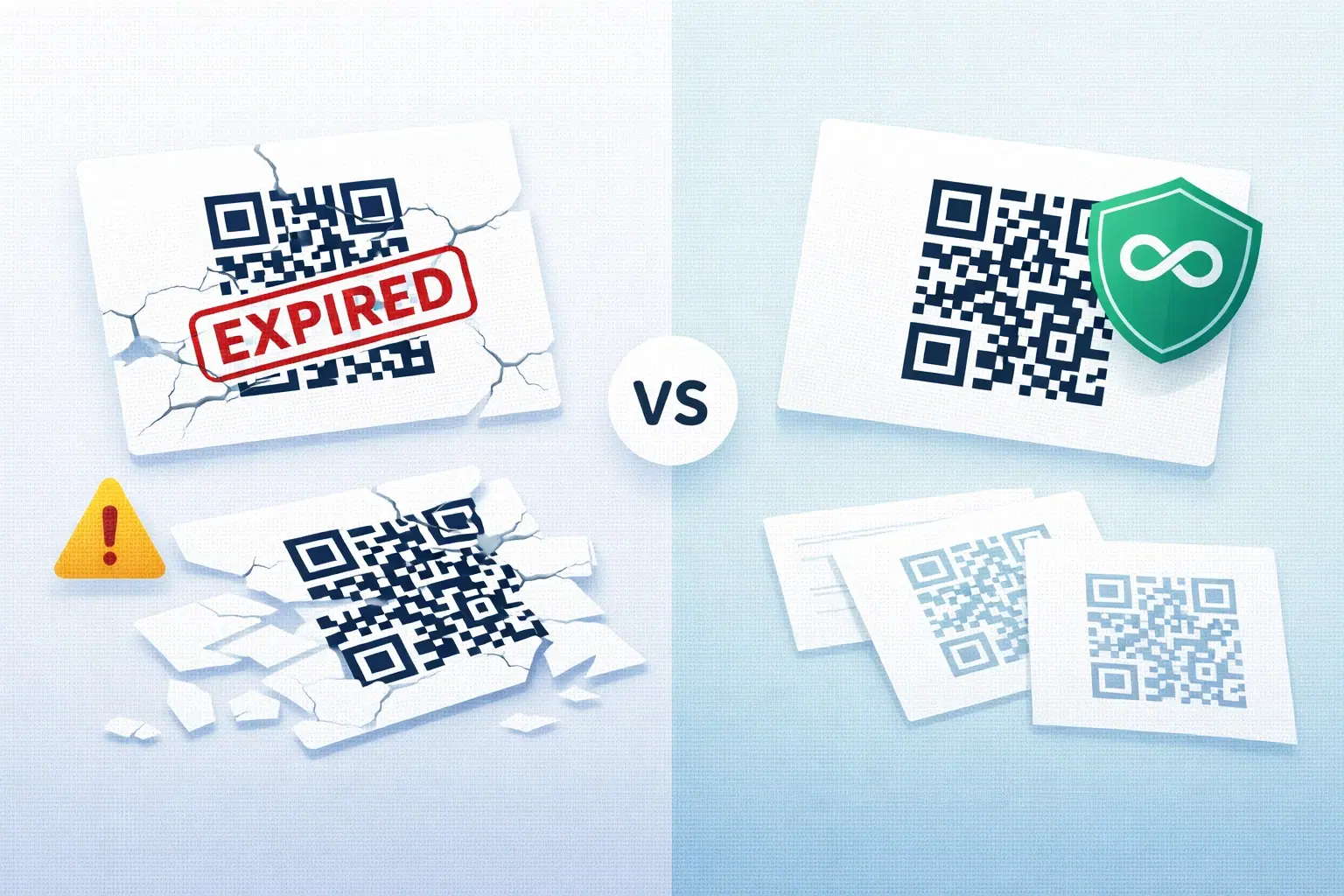
QR Codes That Never Expire: Why Most Free QR Codes Stop Working (Updated 2026)
Free QR codes often expire after 14–90 days, breaking printed materials and costing more in reprints than a paid plan ever would. Updated 2026 guide with platform expiry timelines and a step-by-step rescue plan.