How to Make a Reusable QR Code (2026)
A reusable QR code is one you can point at something new again and again, without ever reprinting it. Here is how to make a reusable QR code in 2026, why it saves money, and the one feature that makes reuse possible.

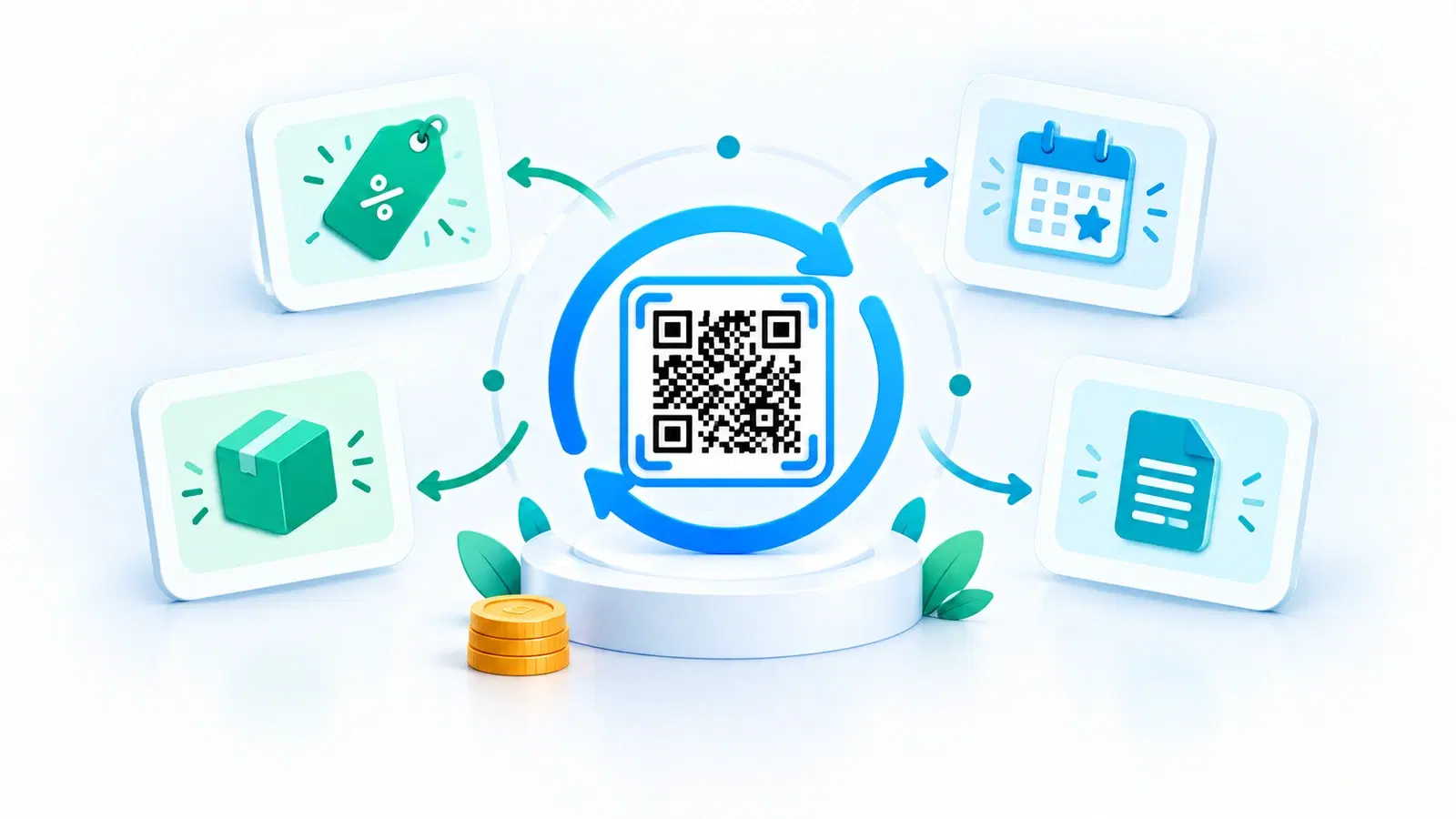
Imagine printing one QR code and using it for a different purpose every month, this week it points to a promotion, next month to an event page, later to a product, and you never reprint it once. That is a reusable QR code, and it is one of the most practical, money-saving tools in QR codes, yet many people do not realize it is possible.
The whole idea rests on a single capability: being able to change where a code points after it is already made and printed. A code you can repoint is a code you can reuse endlessly; a code you cannot repoint is a one-time thing. So "how do I make a reusable QR code?" really comes down to "how do I make a code whose destination I can change?", and the answer is a dynamic QR code.
This guide shows you how to make a reusable QR code in 2026, why reuse saves real money, the one feature that makes it possible, and practical ways to put reuse to work. It builds on the core concept in our dynamic vs static guide, focused specifically on the "reuse the same code again and again" angle.
What Makes a QR Code Reusable
A reusable QR code is simply a code whose destination you can change at will, so the same physical code can serve many purposes over time. One capability makes it possible.
The key: a changeable destination (a dynamic code). A reusable code must let you change where it points after it is created and printed. That is exactly what a dynamic QR code does: the code holds a short redirect you control, and you can repoint that redirect to a new destination anytime, without altering the code itself. The printed code stays the same; where it leads changes whenever you want. That is reuse. See dynamic vs static QR codes.
Why a static code cannot be reused. A static code has its destination baked permanently into the pattern. There is no way to change where it points, so it can only ever do one thing. To "reuse" a static code for a new purpose, you would have to make and print an entirely new code. Static codes are single-use by nature.
So reusable = dynamic. The terms are effectively the same thing from different angles: a dynamic code is reusable precisely because its destination is editable. If you want a reusable QR code, what you are really making is a dynamic one. Everything else in this guide is about using that capability well. See how to edit a QR code after printing.
The mental model: Think of a reusable (dynamic) code as a signpost you own: the signpost stays bolted in place, but you can change what it points to whenever you like. A static code, by contrast, is a sign with the destination painted on, to change it, you replace the whole sign.
Why Reuse Saves Real Money
Reusability is not just convenient; it has a direct financial payoff, which is why it matters for anyone who prints codes.
One code, many uses, no reprints. The core saving: instead of printing a new code for every campaign, purpose, or change, you print one reusable code and repoint it as often as you like. Every time you would otherwise have designed, generated, and printed a new code, you instead make a quick edit, at no cost. Over time, across many changes, that adds up significantly. See how to edit a QR code after printing.
Fix mistakes for free. Printed the wrong link? With a reusable code, you repoint it in seconds, no reprint, no waste. With a static code, a wrong link means reprinting everything. Reusability turns an expensive mistake into a quick fix. See why codes fail or lead nowhere.
Amortize the print cost across everything. When a single printed code serves many purposes over its life, the one-time cost of producing and placing it is spread across every use. The effective cost per use keeps dropping the more you reuse it, which is excellent economics for anything printed at volume. See QR code cost per scan.
Keep long-lived materials current. Signage, packaging, business cards, and other lasting materials can stay relevant indefinitely, because you update where their code points as things change, rather than letting the material go stale or reprinting it. A reusable code keeps permanent materials useful far longer.
The bottom line on savings: A reusable code converts "print a new code every time something changes" into "make a free edit every time something changes." For anyone who prints codes more than once, or who might ever need to change a destination, that is a real, ongoing saving, which is a big part of why dynamic (reusable) codes are worth it.
Pro Tip
The biggest reuse win is a single "evergreen" code on your lasting materials, signage, packaging, a business card, pointed at a destination you update as things change. Instead of reprinting when your offer, event, or page changes, you edit the code in seconds and the same printed materials stay current. One code, printed once, working for years.
How to Make and Use a Reusable Code
Here is the practical process for creating a reusable code and getting the most from it.
1. Create a dynamic QR code. Choose a platform that offers dynamic codes and create one, this is the code you will reuse. Point it at your first destination. See how to choose a QR code generator.
2. Make sure it is permanent. For true long-term reuse, the code must not expire, so use a provider whose codes are guaranteed permanent. A reusable code is only reusable for as long as it keeps working, so permanence is essential. See how to make a permanent QR code that never expires.
3. Print it once, well. Print the code properly, right size, high contrast, crisp, with a clear quiet zone, so the one physical code you will reuse scans reliably. Since you will reuse it, it is worth getting the print right. See QR code best practices.
4. Repoint it whenever you need. This is the reuse in action: whenever you want the code to lead somewhere new, a new campaign, a new page, a corrected link, just edit its destination. The change takes effect for everyone who scans from then on, with no reprinting.
5. Track to make reuse smarter. Because dynamic codes give you scan data, you can see how each use performs and point the code at what works best. See what analytics can track.
Practical reuse ideas:
- Rotating promotions: one code on your counter or packaging, repointed to each month's offer.
- Seasonal campaigns: the same printed code leads to whatever campaign is current.
- Evergreen signage: a code on permanent signage, updated as information changes.
- Event series: one reusable code that points to whichever event is next.
- A personal/brand hub: a business-card or profile code you repoint as your links change.
Keep a simple record. Note what your reusable code currently points to (and ideally its history), so managing its reuse stays organized, especially if you have several. See how to edit codes after printing.
- Create a dynamic QR code (the reusable one) and set its first destination
- Make sure it is permanent, so it keeps working long-term
- Print it once, properly (size, contrast, quiet zone, crisp)
- Repoint its destination anytime you need, no reprinting
- Track scans to see what works, and keep a record of where it points
Conclusion
A reusable QR code, one you can point at something new again and again without ever reprinting, is one of the most practical, money-saving ideas in QR codes, and it rests on a single capability: a changeable destination. That capability is exactly what a dynamic QR code provides, so making a reusable code means making a dynamic one. A static code, with its destination baked in, can only ever do one thing; a dynamic code can do a new thing every day.
The payoff is real and financial. Instead of printing a new code every time something changes, you print one code and repoint it with a free edit, spreading the one-time print cost across every use, fixing mistakes for free, and keeping long-lived materials current indefinitely. For anyone who prints codes, reuse turns recurring print costs into free edits.
To make one: create a dynamic code, ensure it is permanent, print it once and well, then repoint it whenever you need and track how each use performs. Put a single evergreen reusable code on your lasting materials and update where it leads as things change, and that one printed code can keep working, and keep earning, for years.
Related reading:
Create a reusable QR code with QRForever. Start a 7-day full-access trial, no credit card needed. Print once, repoint anytime, never expires.
Explore QRForever Solutions
Ready to Create Your Own QR Codes?
Start creating dynamic QR codes for your business today. Track analytics, update content anytime, and never reprint again.
Related Articles
vCard QR Codes: The Complete Guide to Digital Business Cards (Updated 2026)
Create a vCard QR code that shares your contact info instantly, and updates itself when your job, phone, or email changes. Complete guide with placement strategy and networking scripts. Updated September 2026.
WiFi QR Codes: How to Share Your Network Password Instantly (Updated 2026)
Stop spelling out WiFi passwords letter-by-letter. WiFi QR codes let guests connect in seconds: for your home, café, hotel, or office. Updated 2026 setup guide with platform-specific instructions.
How to Set Up QR Code Check-In for Events: Step-by-Step Guide 2026
Replace paper lists and manual check-ins with a fast, contactless QR code system. Full setup guide for conferences, workshops, weddings, and corporate events.