How to Buy a Dynamic QR Code: What You Get and What to Check (2026)
Buying a dynamic QR code is not like buying a normal product, you are really buying an ongoing service. Here is exactly what you are paying for, the checklist to run before you buy, and the traps to avoid in 2026.

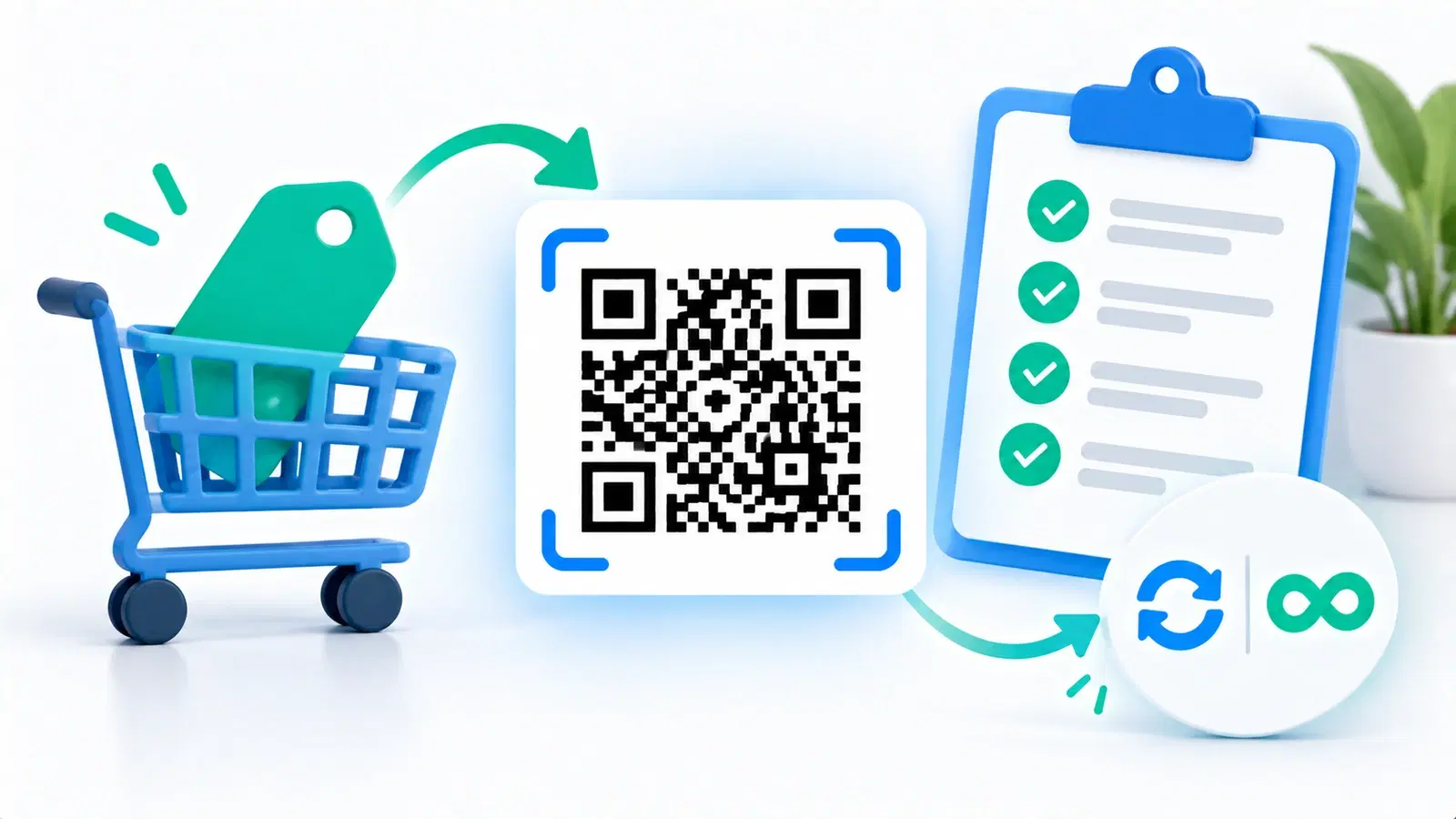
"Buy a dynamic QR code" sounds like it should be a one-time purchase, pay once, get a code, done. But that mental model is exactly what trips people up. A dynamic QR code is not really a product you own outright; it is an ongoing service you subscribe to, because the thing that makes it "dynamic", the editable, trackable redirect behind it, has to keep running on a provider's system for the code to keep working.
Understanding that up front changes how you buy. You are not buying a file; you are buying a promise that the code will keep resolving, stay editable, and keep tracking, for as long as you need it. Get that promise from the right provider and a dynamic code is one of the best-value tools in marketing. Get it from the wrong one and your code can stop working the moment you stop paying, or the provider changes its terms.
This is a practical buyer's how-to: what you are actually paying for, the checklist to run before you buy, and the traps to avoid. It is about the purchase decision itself, not a price comparison, for pricing tiers see QR code generator pricing compared, and for choosing a platform overall see how to choose a QR code generator.
What You Are Actually Buying
Before you buy, get clear on what a dynamic QR code purchase really includes, because it is different from a normal product.
You are buying a service, not a static file. A static QR code is a one-time thing: the data is baked into the image, you download it, and it is yours forever with no dependency on anyone. A dynamic code is different. It points to a redirect the provider hosts, so you are paying for that redirect to keep running. This is not a downside, it is what enables the two features you are buying it for:
- Editability - you can change where the code points without reprinting, because the destination lives on the provider's system, not in the code. See dynamic vs static.
- Tracking - every scan passes through the redirect, so it can be counted. See what analytics can track.
So the core of what you are buying is a promise. The promise is: this code will keep resolving, stay editable, and keep tracking, reliably, for as long as you pay (and ideally with codes that never expire on a fair plan). The provider is your partner in keeping the code alive. That means the provider's reliability and terms matter as much as the features.
What "buying" should get you:
- A dynamic code you can edit anytime
- Scan analytics
- Assurance the code stays live (permanence)
- The ability to design/brand it
- Reliable uptime on the redirect
The mindset shift: Do not evaluate a dynamic QR code purchase like buying a gadget ("is it cheap, does it look good"). Evaluate it like choosing a service provider you will depend on ("will this keep working, can I trust them, what happens if I stop paying"). That mindset leads to the right checklist, which is next.
The Pre-Purchase Checklist
Run this checklist before you buy any dynamic QR code. Each item protects you from a common, expensive regret.
1. Do the codes truly never expire? The single most important question. Confirm explicitly that codes stay live and do not expire, especially that they will not die if you change plans. A code that expires on printed material is the worst outcome. See why free QR codes stop working and how to make a permanent code.
2. Can you edit the destination easily and without limits that matter? Confirm you can change where the code points, whenever you want, without hitting caps that would constrain you.
3. What happens to your codes if you stop paying? Ask directly: if you cancel or downgrade, do your printed codes keep working or go dark? This is the question that separates a fair provider from a trap. You want to understand the answer before you print anything.
4. What analytics are included, and can you export them? If tracking matters, confirm what scan data you get and whether you can get it out. See analytics.
5. Are there scan limits? Check whether the plan caps scans, and what happens if you exceed the cap (does the code stop, or do you pay more?). A code that dies at a scan cap during a successful campaign is a real risk.
6. Can you use your own domain (if it matters to you)? For branding and portability, some providers let the redirect run on your custom domain. Useful if you want the codes tied to your brand. See white-label QR codes.
7. Is the provider reliable and around for the long term? Because you depend on their uptime, gauge their reliability and stability. A dynamic code is only as durable as the company hosting its redirect.
Run all seven before buying. The answers, not the price, determine whether you will be happy in a year.
- Do the codes truly never expire (even if you change plans)?
- Can you edit the destination freely, without limits that matter?
- What happens to your codes if you stop paying?
- What analytics are included, and can you export them?
- Are there scan limits, and what happens if you hit them?
- Can the redirect run on your own custom domain (if you want that)?
- Is the provider reliable and likely to be around long-term?
The Traps to Avoid
A few specific traps catch dynamic-QR buyers repeatedly. Knowing them in advance is the best protection.
The "free forever" trap. Many free dynamic QR codes are free only during a trial, then expire or demand payment to keep working. If you print a "free" code and it dies weeks later, you face reprints and lost scans. Assume a genuinely permanent dynamic code involves a fair paid plan, and be suspicious of "free forever dynamic codes." See free vs paid.
The expiry-on-downgrade trap. Some providers keep your codes alive only on paid tiers, so downgrading kills printed codes. Always confirm what happens on downgrade or cancellation (checklist item 3) before committing.
The scan-cap surprise. A plan that looks cheap but caps scans can fail exactly when your campaign succeeds. Check the scan limits and the consequences of exceeding them.
Buying the wrong thing (static when you need dynamic, or vice versa). If you only ever need a fixed code that never changes and you do not want tracking, you may not need to "buy" a dynamic code at all, a static one is free and permanent by nature. Conversely, if you will print it or want to edit/track it, do not settle for a static code to save money. Match the purchase to the need. See dynamic vs static.
Over-buying enterprise features. On the flip side, do not buy a heavy enterprise plan for simple needs. Buy the smallest plan that genuinely covers your requirements. See how to choose a generator.
Ignoring the destination. Remember you are buying a code that leads somewhere. The landing page it points to matters as much as the code. A perfectly-bought code pointing at a poor page still underperforms.
Important
The costliest buying trap is the "free forever dynamic QR code." Dynamic codes require a hosted redirect that costs the provider money to keep running, so a truly permanent dynamic code almost always means a fair paid plan. If a code is advertised as free, dynamic, and permanent all at once, confirm exactly what happens after any trial and when you stop paying, before you print it anywhere.
Try Before You Buy, Then Buy Right
The best way to buy a dynamic QR code well is to test the provider first, then commit with confidence.
Use a free trial to test the real thing. Most reputable providers offer a trial. Use it to test exactly what you are buying: create a dynamic code, print it, scan it, change its destination, scan it again, and check the analytics. If all of that works smoothly, you have verified the core promise before paying. See what to expect from a QR generator free trial.
Confirm the checklist answers during the trial. While trialing, get concrete answers to the seven checklist questions, especially permanence, editability, and what happens if you stop paying. A trial is the ideal time to confirm the promises are real.
Buy the plan that fits your actual needs. Once satisfied, choose the smallest plan that covers what you genuinely need, how many codes, which features, the scan volume you expect. Do not overpay for capacity you will not use, and do not underbuy in a way that caps you. See the pricing comparison and is it worth paying for a QR code.
Think about total value, not just price. A dynamic code that costs a fair monthly amount but stays permanent, editable, and trackable is excellent value, because it replaces reprints, enables changes, and gives you data, for years. Judge the purchase on that total value against a reliable provider, not on finding the absolute cheapest option (which is often the one that expires).
The bottom line on buying: You are buying an ongoing service and a promise, not a one-off file. Test it in a trial, run the seven-point checklist, avoid the free-forever and expiry-on-downgrade traps, and buy the right-sized plan from a provider you trust to keep the code alive. Do that, and the dynamic QR code you buy will keep working, and keep earning, for as long as you need it.
Pro Tip
Treat the free trial as your buying test, not just a preview. In the trial, do the exact thing you are paying for: make a dynamic code, print it, scan it, change where it points, scan again, and check the analytics. If that full loop works cleanly, you have verified the core promise before spending a rupee or dollar.
Conclusion
Buying a dynamic QR code is not a one-time product purchase, it is subscribing to an ongoing service and, really, a promise: that the code will keep resolving, stay editable, and keep tracking for as long as you need it. That reframing is the key to buying well, because it shifts your focus from "is it cheap and pretty" to "will this keep working and can I trust the provider."
Run the seven-point checklist before you buy: confirm codes never expire (even on downgrade), that you can edit freely, what happens if you stop paying, the analytics and export, any scan limits, custom-domain support, and the provider's reliability. Avoid the classic traps, especially the "free forever dynamic code" that quietly expires, and the scan-cap surprise that hits when your campaign succeeds.
Best of all, use a free trial to test the exact loop you are paying for, create, print, scan, edit, scan, track, before committing, then buy the right-sized plan from a provider you trust. Judge it on total value, not lowest price. Do that, and the dynamic QR code you buy keeps working and keeps earning for years.
Related reading:
Try QRForever before you buy. Start a 7-day full-access trial, no credit card needed. Permanent, editable, trackable dynamic codes, test the whole loop first.
Explore QRForever Solutions
Ready to Create Your Own QR Codes?
Start creating dynamic QR codes for your business today. Track analytics, update content anytime, and never reprint again.
Related Articles
QR Codes for Small Businesses: A Practical Getting Started Guide (Updated 2026)
QR codes give small businesses the same tools big brands use, for free or near-free. This 2026 guide covers the essential use cases, the one mistake that costs reprints, and how to start in an afternoon. Updated June 2026.
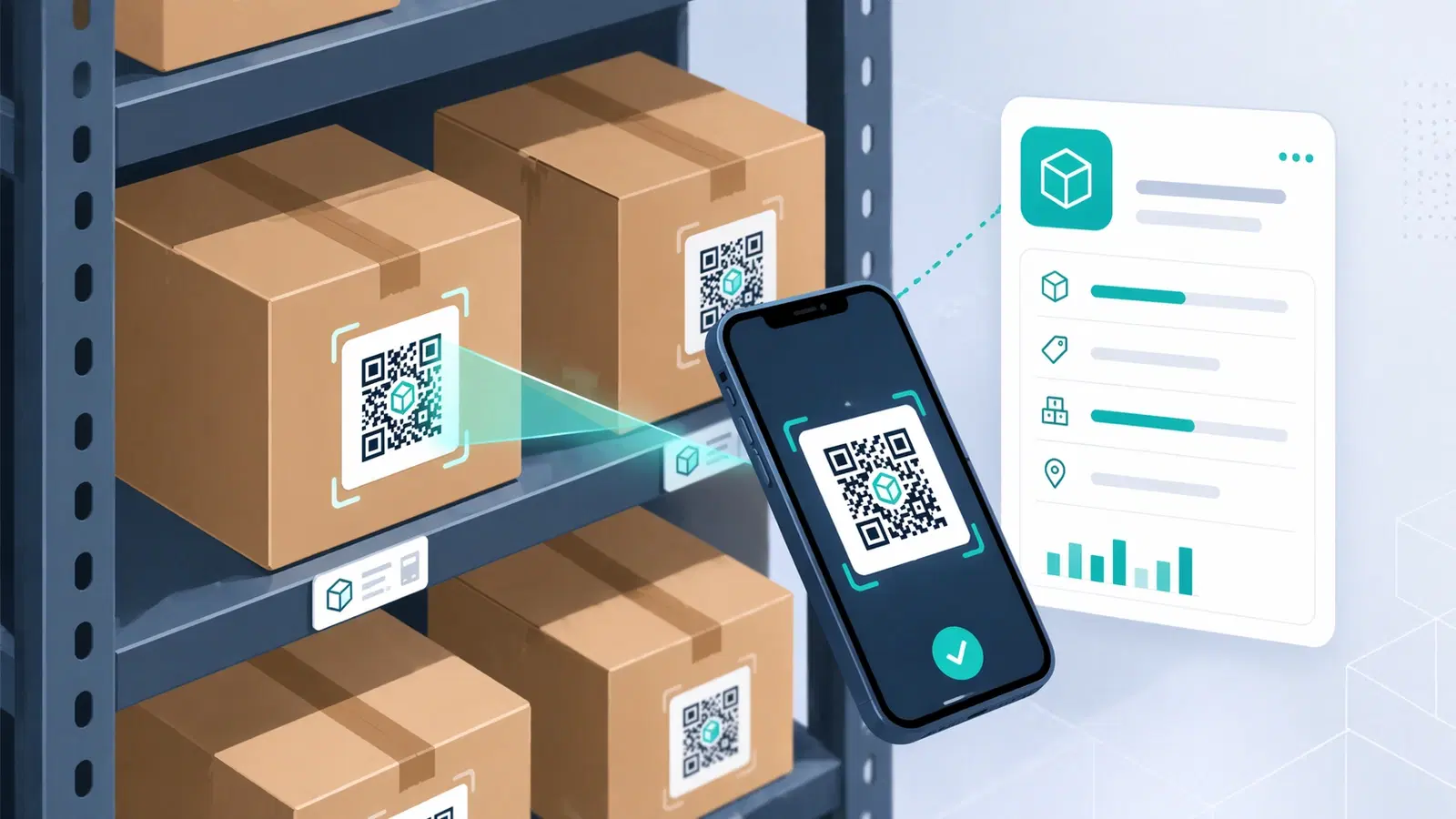
QR Code Inventory Management: Complete Asset Tracking Guide for 2026
Use QR codes to track inventory, assets, and equipment without expensive RFID hardware. Practical setup guide for small businesses, warehouses, and field teams.
How Much to Charge for QR Code Design Services (Freelancer Guide 2026)
Freelancers and agencies can charge ₹500 to ₹15,000+ for QR code work, the spread depends on what you bundle. Here's how to price QR code design services, what to include, and how to turn one-off projects into recurring revenue.