QR Codes for Etsy Shops & Online Sellers: Packaging & Reviews (2026)
For Etsy sellers and small online shops, the package is your only physical touchpoint with a customer. QR codes turn that package into repeat sales, reviews, and a direct customer relationship. Here is the 2026 guide for online sellers.

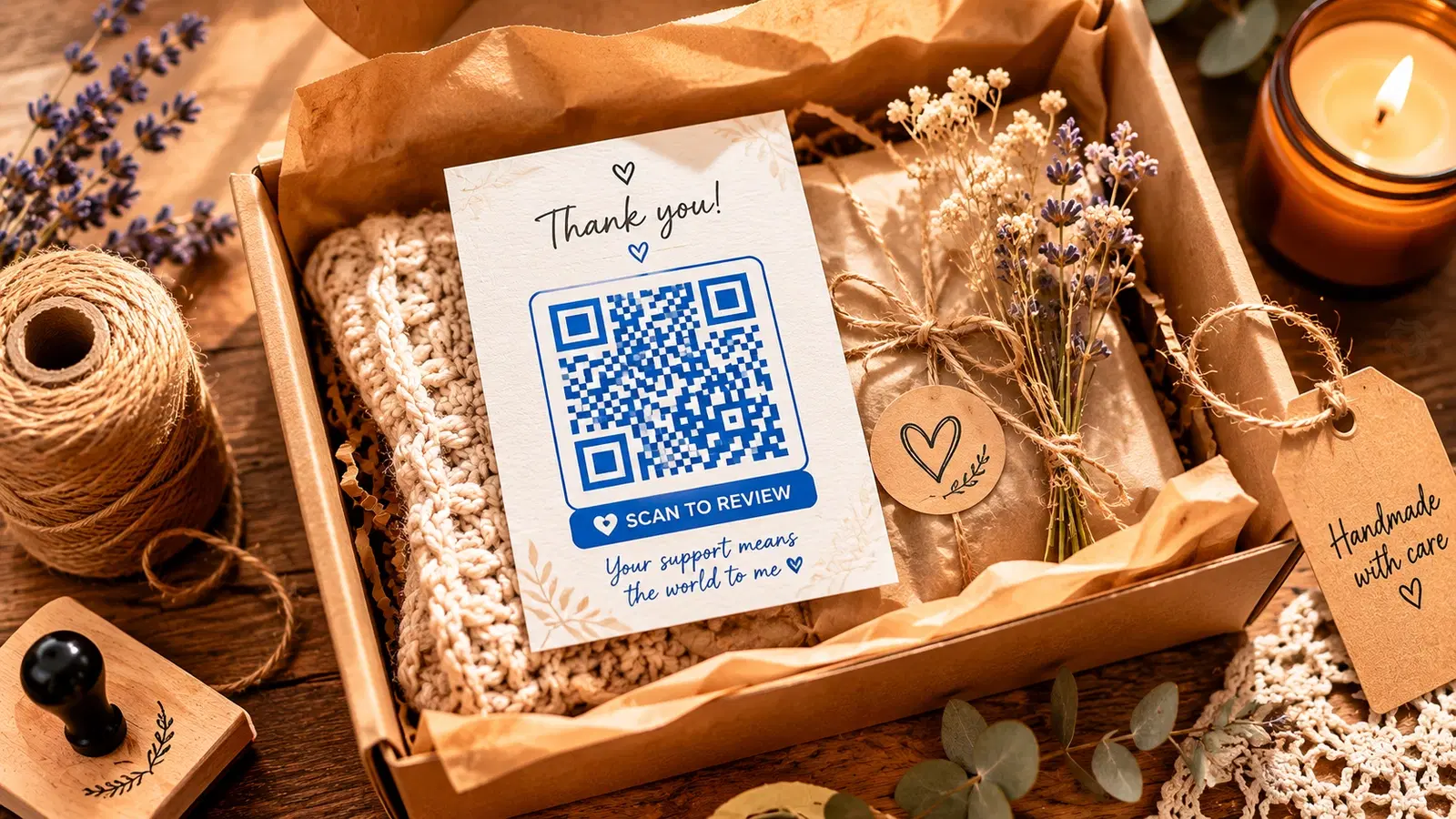
For an Etsy shop or small online seller, the package that arrives at your customer's door is something precious: your one and only physical touchpoint with them. Everything else happens through a marketplace that owns the customer relationship. That package, and what you put in it, is your single chance to turn a one-time buyer into a reviewer, a repeat customer, and ideally a direct relationship you own.
QR codes are what make that package work harder. A QR code on a packaging insert can drive reviews, repeat purchases, mailing-list signups, care instructions, and a direct connection that the marketplace cannot take away.
This guide covers how Etsy sellers and small online shops use QR codes to maximize the value of every order: reviews, repeat sales, customer relationships, product content, and building a business beyond the marketplace. It builds on our product packaging QR guide with seller-specific tactics.
Use Case 1: Drive Reviews (the Etsy Lifeline)
On Etsy and similar marketplaces, reviews are survival. They drive your search ranking, build buyer trust, and directly affect sales. Yet most happy customers never leave one, simply because nothing prompts them at the right moment.
The QR code solution: A QR code on a thank-you card or packaging insert, linking to your review page, asking the customer to leave a review while they are holding the product they just happily unboxed.
Why the unboxing moment is perfect: The customer is at peak delight: the package arrived, they love the item. That is the ideal moment to ask for a review, far better than an email days later when the excitement has faded. A QR code captures that moment.
How to ask well: A warm, genuine card: "Thank you so much for your order. As a small shop, reviews mean everything to us. If you love your purchase, scanning here to leave a review would make our day." Personal, honest, and easy.
An important honesty note: Ask for honest reviews only. Do not offer discounts, free gifts, or anything else in exchange for a review, which violates Etsy's policies and most marketplaces' rules. The QR code removes friction; it must not buy the review. See our Google reviews guide for review-gathering principles.
The impact: For a small shop, going from a handful of reviews to many, by simply asking at the unboxing moment with a QR code, can meaningfully lift your search ranking and conversion. This is often the single highest-impact QR code an online seller can add.
Important
Never offer payment, discounts, or free gifts in exchange for reviews. This violates Etsy and other marketplace policies and can get your shop penalized or suspended. The QR code should make leaving an honest review easy, never incentivize or manipulate it.
Use Case 2: Drive Repeat Sales
Acquiring a customer through a marketplace is expensive (fees, ads, competition). A repeat customer is far more profitable. The package is your chance to bring them back.
Repeat-purchase QR codes: A QR code on a packaging insert linking back to your shop, often with a returning-customer incentive: "Loved it? Scan for 10% off your next order." This turns a one-time buyer into a repeat customer.
Related product QR codes: A QR code linking to products that complement what they bought. Someone who bought a candle scans to see your matching candle accessories. Relevant, timely cross-selling at the moment they are happy with your work.
Restock and new-arrival QR codes: A QR code linking to your shop's new arrivals or a "notify me" signup, so customers who loved one purchase discover your latest work.
Why a dynamic code is ideal: Your products, promotions, and bestsellers change constantly. A dynamic QR code on your inserts lets you update where it points (current promotion, newest products, seasonal collection) without printing new inserts. The insert you printed months ago always points to your current offer. See how to edit a QR code after printing.
The repeat-sales math: If even a fraction of your buyers return because a packaging insert made it easy and gave them a reason, your profit per customer rises significantly, since the second sale skips much of the acquisition cost of the first.
Use Case 3: Build a Direct Customer Relationship
The biggest limitation of selling on a marketplace is that the marketplace owns the customer relationship. You often cannot even email your own buyers freely. QR codes on your packaging are how you ethically build a direct relationship you own.
Mailing list QR codes: A QR code on your insert inviting customers to join your mailing list, ideally with an incentive (a discount, free shipping on the next order, or exclusive access). "Join our list for 15% off and first access to new collections." An email list is an audience you own, independent of the marketplace.
Why this matters enormously for sellers: If you sell only through Etsy, you are entirely dependent on Etsy: its fees, its rules, its algorithm, its existence. Building an email list (and your own store over time) means you own a direct line to your customers. The packaging QR code is the most natural, permitted way to start that, because the customer opts in.
Social following QR codes: A QR code linking to your Instagram or other social, where customers follow your shop, see new work, and stay connected. See QR code for Instagram and social media.
Your own store QR codes: As you grow, a QR code linking to your independent store (Shopify, your own site) lets loyal customers buy directly, where you keep more margin and own the relationship fully.
The strategic point: Every order is a chance to convert a marketplace customer into a customer you own. The QR code on your packaging is the bridge. Over time, this is how a small Etsy shop becomes an independent brand.
- Mailing list QR with an opt-in incentive, the key to owning your audience
- Social following QR to stay connected with customers
- Own-store QR for loyal customers and better margins
- Always permitted because the customer chooses to opt in
- The path from marketplace seller to independent brand
Use Case 4: Product Content & Customer Experience
Beyond sales and relationships, QR codes on packaging elevate the customer experience and reduce support work, which matters for reviews and repeat business.
Care and use instructions: A QR code linking to care guides, especially for handmade items: how to care for a candle, season a cutting board, wash a garment, or assemble a product. This improves the customer's experience and reduces "how do I use this?" messages.
The story behind the product: A QR code linking to your maker story, how the item was made, or a behind-the-scenes video. For handmade and artisan products, the story is part of the value, and it deepens the customer's connection to your shop.
Video content: A QR code linking to a video: a tutorial, a styling guide, an assembly walkthrough, or the making of the item. Video adds richness that a printed insert cannot.
Personalization and thank-you content: A QR code linking to a personal video thank-you, or content tied to a custom order. A memorable touch that small shops can offer and big retailers cannot.
Support and FAQ: A QR code linking to your FAQ or contact, making it easy for a customer to get help, which prevents frustration-driven negative reviews.
Why this supports everything else: A great unboxing and post-purchase experience leads to better reviews, more repeat buyers, and more referrals. QR codes that add care guides, stories, and easy support make the experience feel premium and considered, exactly the impression a small shop wants to leave.
For the broader packaging strategy, see our product packaging QR guide.
Conclusion
For Etsy shops and online sellers, the package is your one physical touchpoint with a customer, and QR codes are how you make it count. A review QR captures the all-important review at the unboxing moment. A repeat-sales QR turns a one-time buyer into a returning customer. A mailing list QR begins the direct relationship that frees you from total marketplace dependence. And content QR codes make the experience premium enough to earn reviews and referrals.
Use dynamic QR codes so your inserts stay current as products and promotions change. Ask for reviews honestly, never incentivized. And treat every order as a chance to convert a marketplace customer into one you own. Done consistently, the humble packaging insert becomes the engine that grows a small shop into an independent brand.
Related reading:
Create a dynamic QR code for your shop with QRForever. Start a 7-day full-access trial, no credit card needed. Put it on your packaging inserts and update where it points as your products and promotions change.
Explore QRForever Solutions
Ready to Create Your Own QR Codes?
Start creating dynamic QR codes for your business today. Track analytics, update content anytime, and never reprint again.
Related Articles
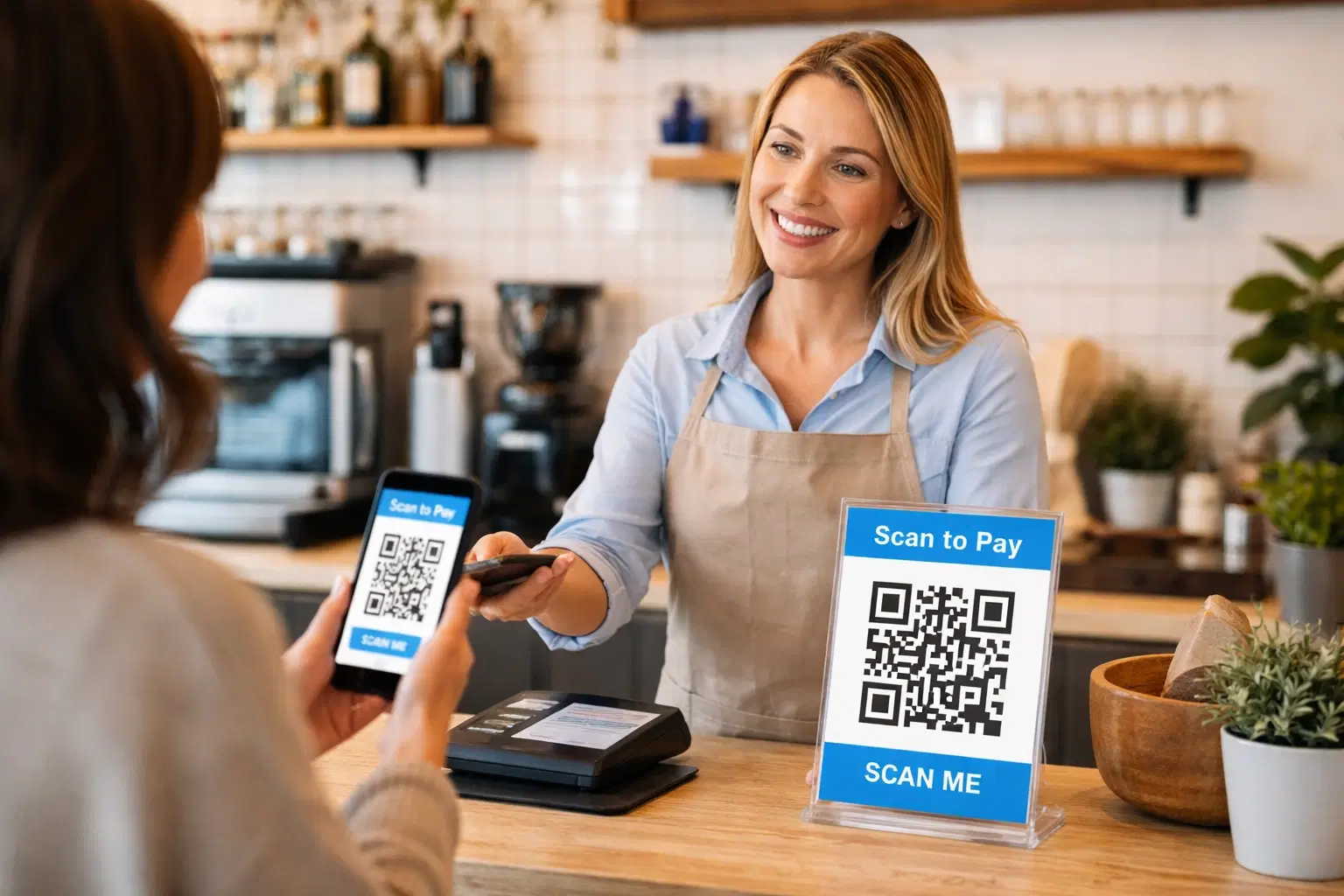
QR Codes for Small Businesses: A Practical Getting Started Guide (Updated 2026)
QR codes give small businesses the same tools big brands use, for free or near-free. This 2026 guide covers the essential use cases, the one mistake that costs reprints, and how to start in an afternoon. Updated June 2026.
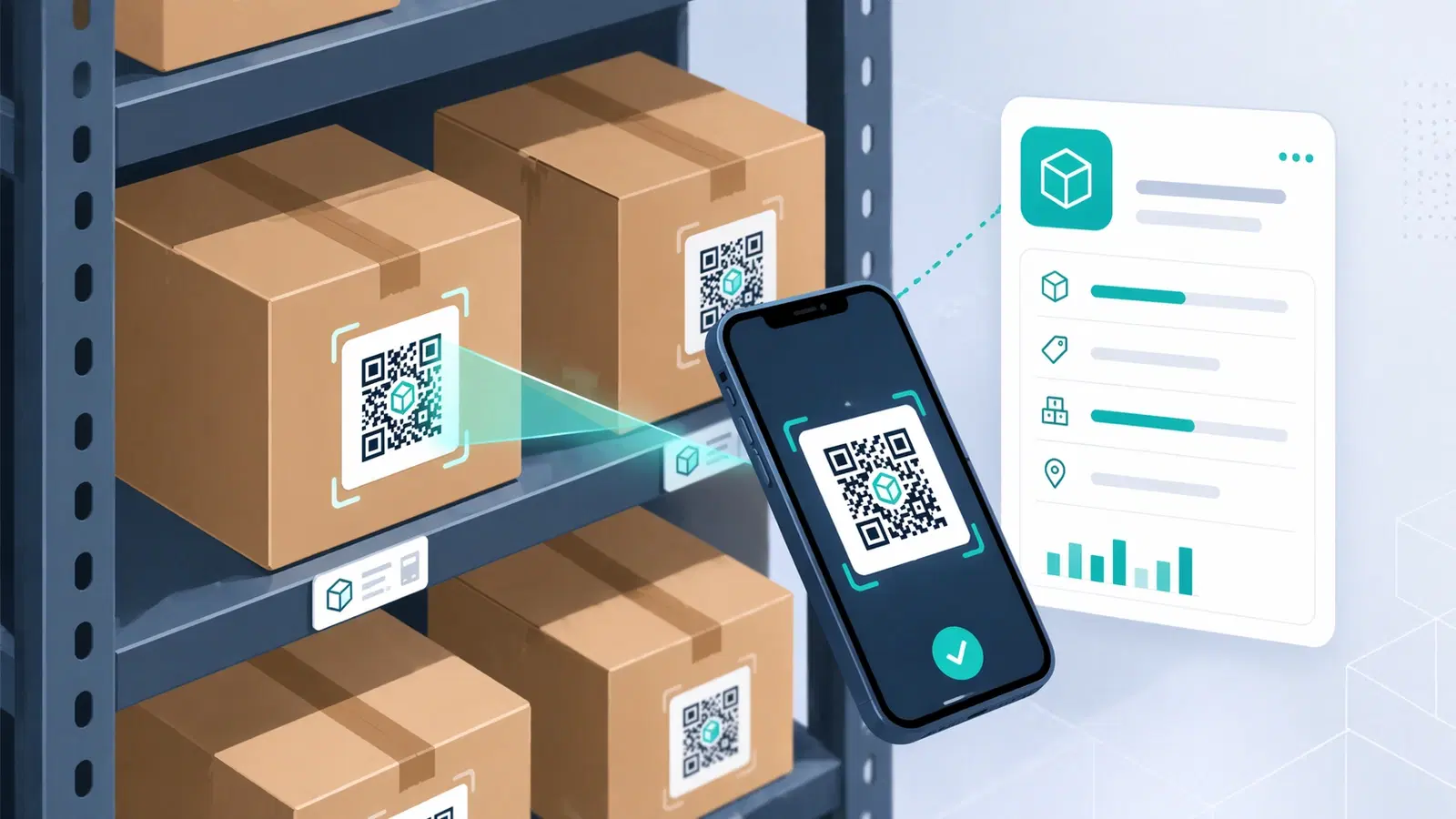
QR Code Inventory Management: Complete Asset Tracking Guide for 2026
Use QR codes to track inventory, assets, and equipment without expensive RFID hardware. Practical setup guide for small businesses, warehouses, and field teams.
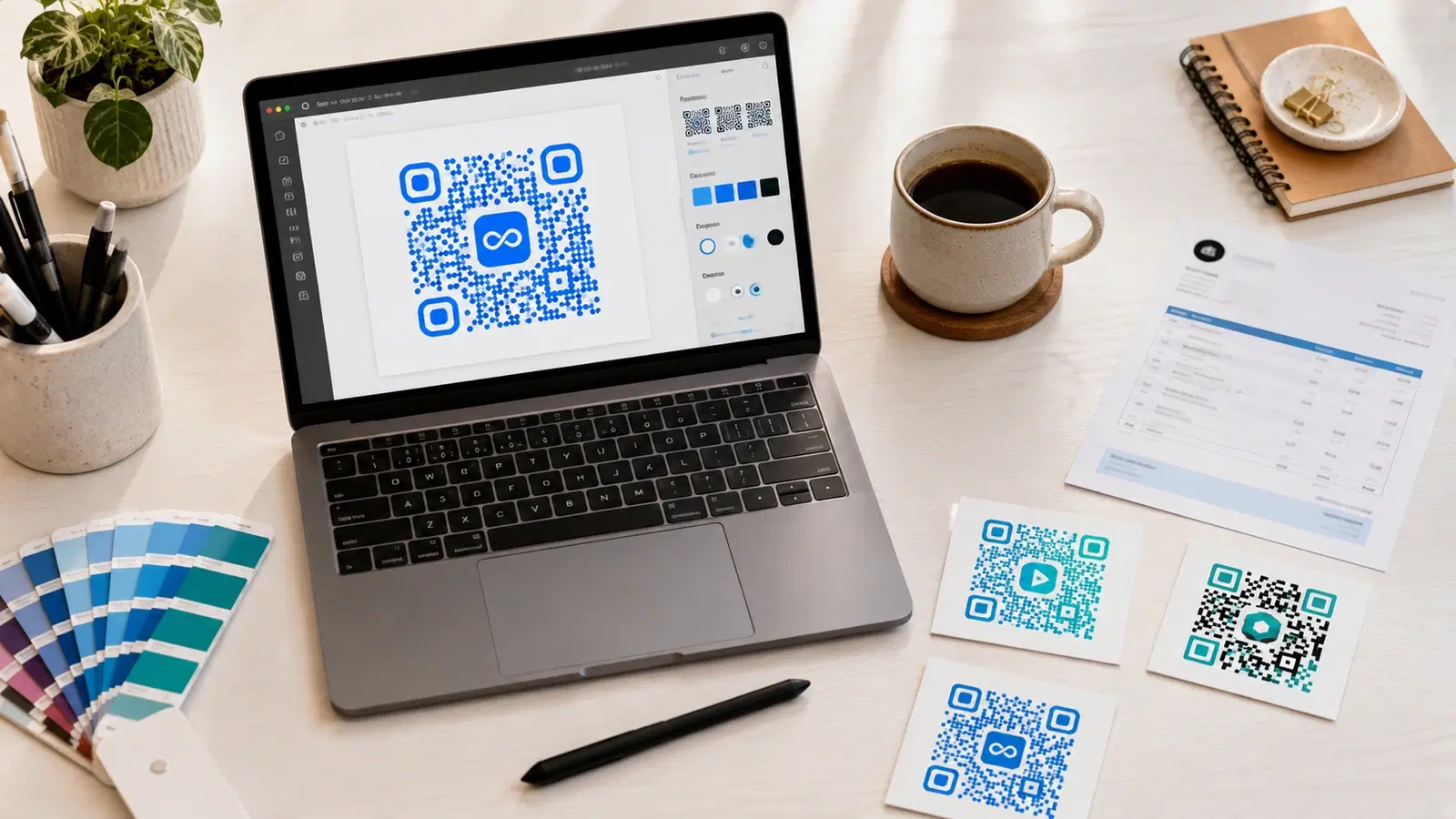
How Much to Charge for QR Code Design Services (Freelancer Guide 2026)
Freelancers and agencies can charge ₹500 to ₹15,000+ for QR code work, the spread depends on what you bundle. Here's how to price QR code design services, what to include, and how to turn one-off projects into recurring revenue.