Animated QR Codes: Do They Work, and Should You Use One? (2026)
Animated QR codes look eye-catching, but do they actually scan, and are they worth it? Here is the honest truth about how animated QR codes work in 2026, when they help, and when a plain code is the smarter choice.

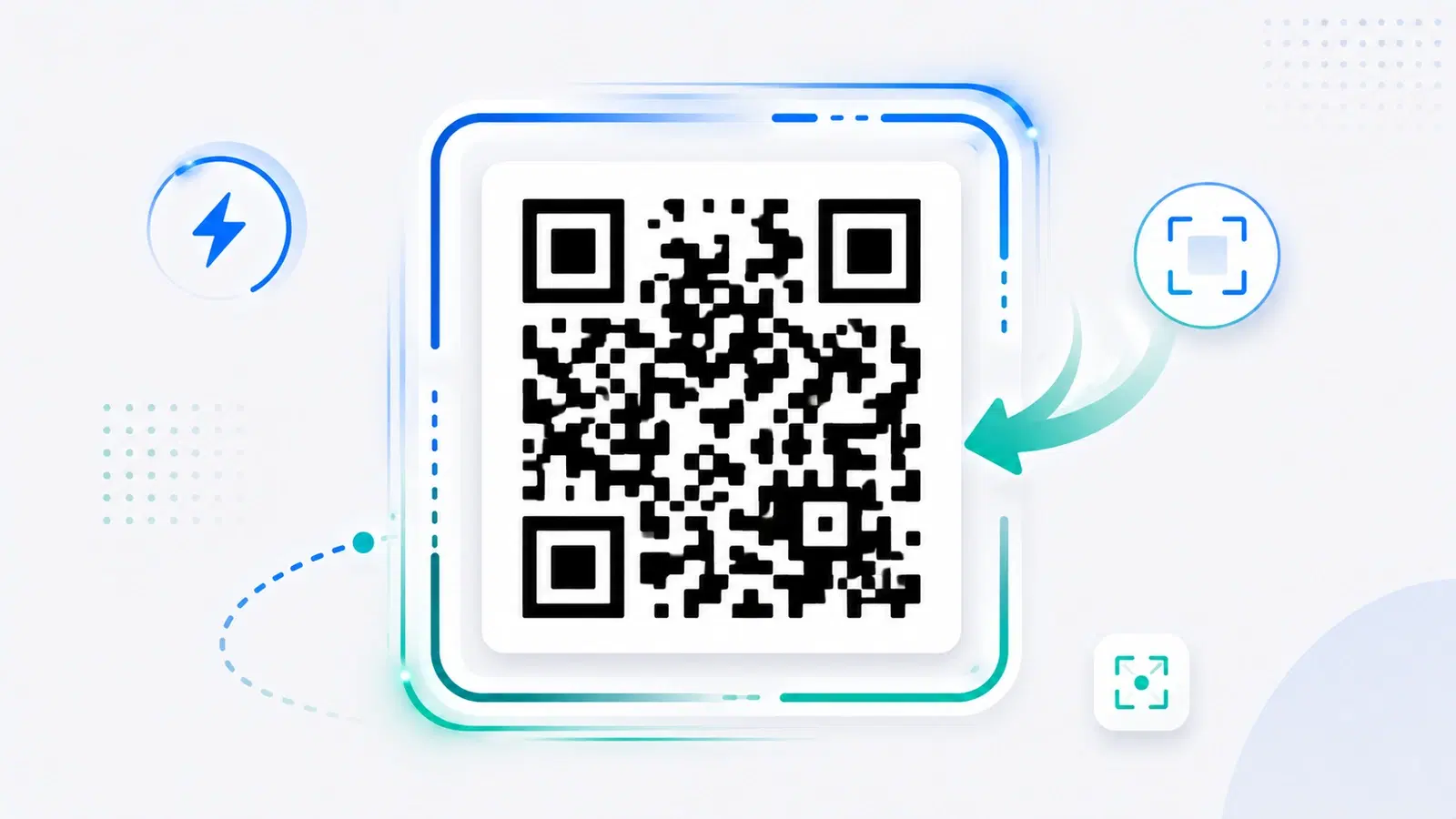
Animated QR codes catch the eye. On a screen, a code that shimmers, pulses, or has moving elements draws more attention than a static square, and attention is exactly what a QR code needs to earn a scan. Naturally, people ask: do animated QR codes actually work? And if they do, should you use one?
The honest answer requires separating hype from reality. The core of any QR code, the pattern that carries the data, has to stay readable, and a scanner needs a clear, stable image to lock onto. So the real question is not "can a code move?" but "what part of an animated code moves, and does the scannable pattern stay intact?" Once you understand that, animated codes make a lot more sense.
This guide gives you the straight answer on how animated QR codes work in 2026, what actually animates, whether they scan reliably, when they genuinely help, and when a plain code is the smarter call. No hype, just how it really works. For where formats and codes are heading more broadly, see our QR code trends piece.
What Actually Animates (and What Cannot)
The key to understanding animated QR codes is knowing which parts can move and which must stay still.
The data pattern must stay readable. A QR scanner reads the arrangement of dark and light modules to decode the data. To do that reliably, it needs a clear, stable, high-contrast pattern to capture. If the actual data modules were constantly morphing, the scanner would struggle to lock onto a readable frame. So the core rule is: the scannable pattern needs to be stable and clear at the moment of scanning.
What "animated QR code" usually means in practice. Most animated codes keep the essential pattern intact and animate around or alongside it:
- Animated frame or border: the code itself is static while a border, call-to-action, or decorative element around it moves. This is the most common and most reliable form.
- Animated background or accents: subtle motion behind or beside a static, high-contrast code.
- Reveal or intro animations: the code animates into view, then settles into a stable, scannable state that holds long enough to scan.
- Styled color/shimmer effects: the pattern stays in place while color or light effects play over it, as long as contrast is preserved throughout.
The bottom line on movement. A code where the meaningful pattern holds still (or settles and holds) can scan fine, the animation is essentially decoration around a stable core. A code whose actual data pattern never stops changing is not a reliable scannable code. So "animated" almost always means "decorated with motion," not "a genuinely moving data pattern."
Do They Actually Scan?
The practical answer is: it depends entirely on whether the scannable pattern stays clear and stable, and on where the code lives.
Screen-only, by nature. Animation only exists on screens. An animated code lives on a website, a video, a social post, or a digital display, never on print, since paper does not move. So animated codes are inherently a digital-only tool.
When they scan well:
- The core pattern stays static and high-contrast throughout the animation.
- Any intro or reveal animation settles into a stable state that stays on screen long enough for someone to actually scan it.
- The motion is around the code (frame, accents) rather than in the data modules.
- The code is displayed large and clearly enough to scan, with its quiet zone intact.
When they fail:
- The data pattern itself keeps changing, so the scanner cannot lock on.
- The animation loops so fast that a scannable, stable frame is never held long enough.
- Motion or effects reduce the contrast of the pattern at any point in the loop.
- The code is only on screen briefly (for example, flashing by in a fast-cut video) so viewers cannot line up a scan in time.
The timing factor people forget. Even a technically-scannable animated code fails if it is not on screen, stable, and large enough for long enough. Scanning takes a few seconds of a person aiming their phone. If your animation or video does not hold the code still and visible for that window, it does not matter how good the code is. Give viewers time to scan.
Important
The most common reason an animated QR code fails is timing, not the animation itself: the code flashes by in a fast-cut video or loops too quickly to hold a stable, scannable frame. A scan takes a few seconds of a person aiming their phone. If the code is not held still, large, and clearly visible for that window, viewers cannot scan it no matter how good the code is.
When an Animated QR Code Actually Helps
Used in the right place, animation can genuinely improve scan rates by solving the hardest problem a QR code has: getting noticed.
The real benefit: attention. The biggest challenge for most QR codes is not decoding; it is getting someone to notice and choose to scan. On a busy screen, motion draws the eye. A tasteful animation, especially an animated frame with a clear call to action, can lift scan rates simply by making the code stand out. This is a real, legitimate use. See the psychology of scanning for why noticing and motivation matter so much.
Good places for an animated code:
- Digital displays and screens in stores, lobbies, events, or on digital signage, where a moving code catches passing attention and stays on screen long enough to scan.
- Websites and landing pages, where a subtly animated code with a clear prompt draws the eye.
- Social media posts and stories, where motion competes better in a fast-scrolling feed (as long as the code is held long enough to scan).
- Presentations and video, where the code is displayed clearly and held on screen for a comfortable scanning window.
Keep the animation tasteful and functional. The goal is to attract attention, not to show off. An animated frame, a gentle pulse, or a clear moving arrow pointing to the code all help. Heavy, distracting, or fast effects that obscure the pattern hurt more than they help. The animation should serve the scan, not fight it.
Pair it with dynamic tracking. If you use an animated code to boost attention, use a dynamic code so you can actually measure whether it worked, comparing scans, tweaking the design, and improving. See what analytics can track.
- Digital signage and in-store screens (motion catches passing eyes)
- Websites and landing pages (a subtle animated frame with a CTA)
- Social posts and stories (if the code is held long enough to scan)
- Video and presentations (display large, hold on screen for several seconds)
- Always pair with a dynamic code so you can measure if it actually helped
When to Skip Animation and Use a Plain Code
Animation is a niche tool, not a default. In many cases a clean static code is the smarter, safer choice.
Use a plain static-looking code when:
- You are printing anything. Print does not move, so animation is simply impossible on paper, packaging, signage, or any physical material. For everything printed, a clean high-contrast code is the only option, and it works perfectly.
- Reliability matters more than flash. For payments, important information, or anywhere a failed scan is costly, do not add variables. A plain, well-made code scans most reliably.
- You cannot guarantee display time. If you cannot ensure the code is held on screen, stable and large, for a comfortable scanning window, animation will hurt more than help.
- The animation would compromise contrast or the pattern. If making it move means weakening the code, it is not worth it. The scan always comes first.
Do not mistake novelty for effectiveness. An animated code can look impressive, but impressive is not the goal, scans are. If a plain code would scan more reliably in your context, that is the better code, full stop. Animation earns its place only when it genuinely increases the odds that someone notices and scans, without compromising the pattern.
The honest recommendation. Reach for an animated QR code in specific digital situations where grabbing attention is the challenge and you control the display long enough to allow a scan. Everywhere else, especially in print and anywhere reliability is paramount, a clean, well-built, high-contrast code (dynamic, so you can edit and track it) is the smart default. Function first, flash second.
Conclusion
Animated QR codes do work, with an important caveat: what animates is the decoration around the code, not the data pattern itself, which needs to stay clear and stable to scan. A code with a moving frame, subtle accents, or a settle-and-hold reveal can scan fine; a code whose actual pattern never stops changing cannot. And because animation only exists on screens, animated codes are a digital-only tool.
Their real value is attention. Motion helps a code get noticed, which is often the hardest part of earning a scan, so on digital signage, websites, social posts, and video, a tasteful animation can genuinely lift scan rates, provided the code is held on screen, stable and large, long enough for people to actually scan it. Timing, not the animation, is the usual point of failure.
For everything printed, and anywhere reliability matters most, a clean high-contrast code is the smarter choice. Animation is a niche attention tool, not a default. Use it deliberately where it helps, keep it tasteful, pair it with a dynamic code so you can measure the result, and never let the flash compromise the scan.
Related reading:
Create a trackable QR code with QRForever. Start a 7-day full-access trial, no credit card needed. Dynamic codes with analytics, so you can measure what actually earns scans.
Explore QRForever Solutions
Ready to Create Your Own QR Codes?
Start creating dynamic QR codes for your business today. Track analytics, update content anytime, and never reprint again.
Related Articles
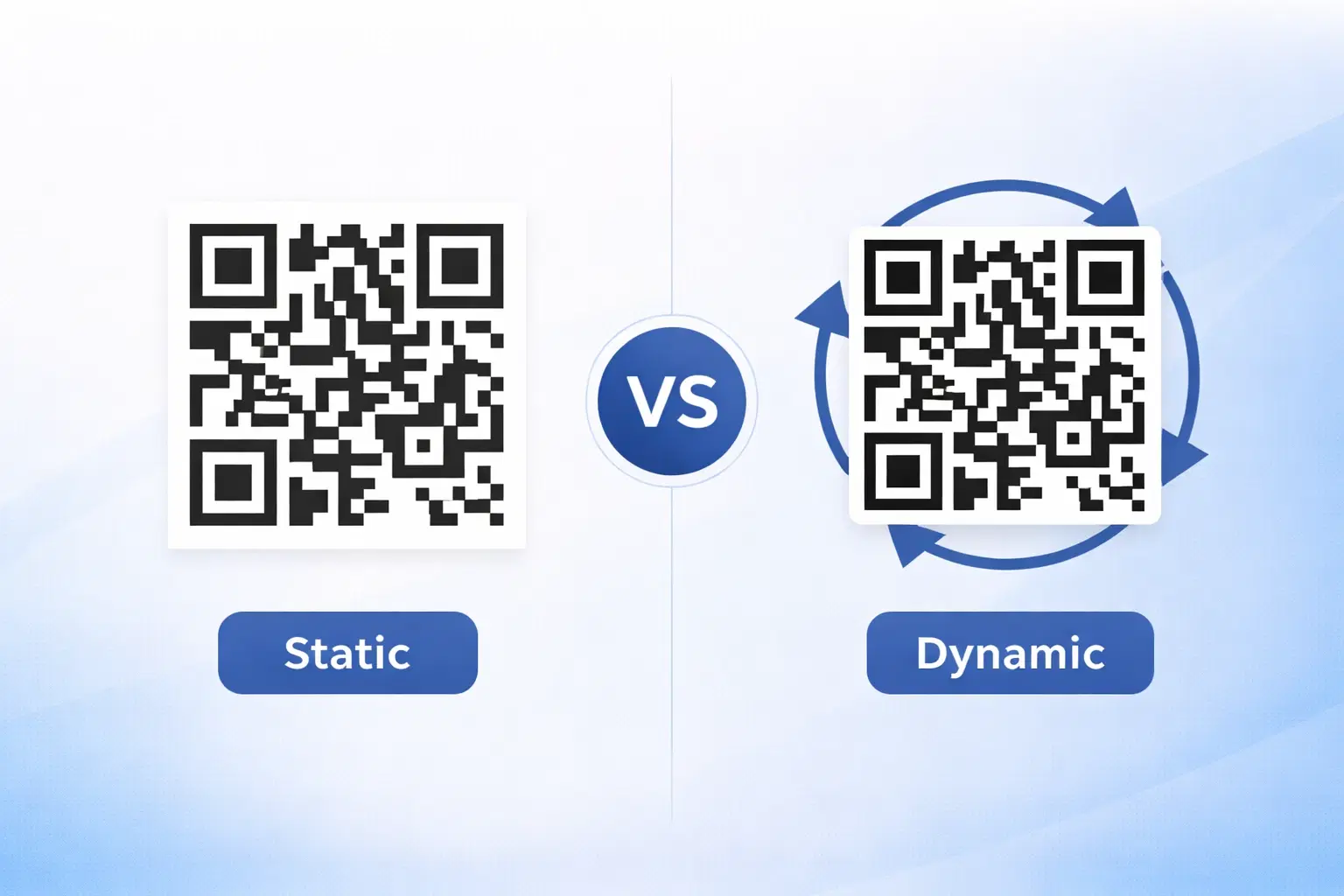
Dynamic vs Static QR Codes: Which One Should You Use? (Updated 2026)
The complete 2026 guide to dynamic vs static QR codes: when each type is right, the hidden costs of choosing wrong, and a decision framework you can apply in 60 seconds. Updated October 2026.
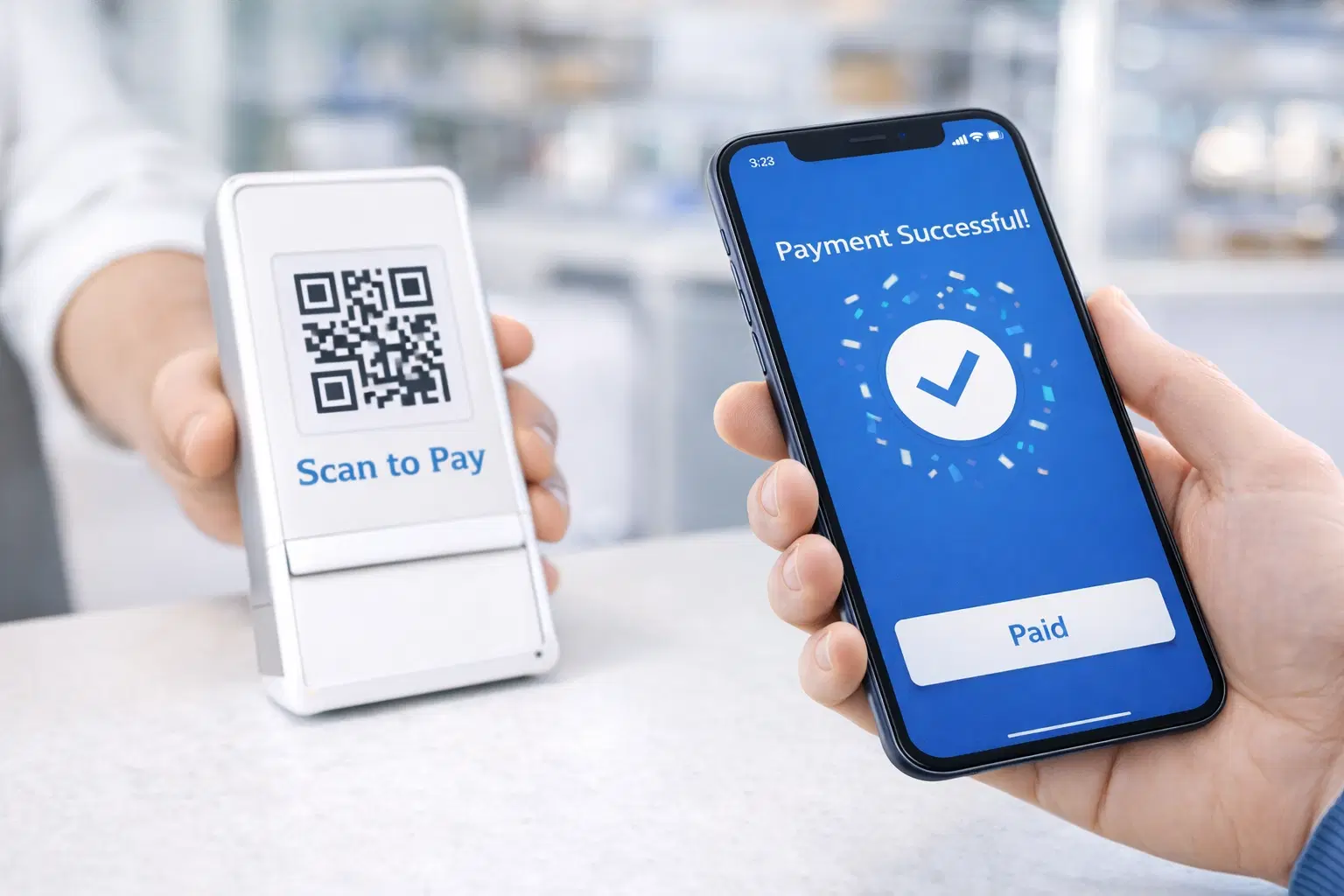
QR Code Payments Explained: How They Work and Why They Matter (Updated 2026)
QR code payments crossed record transaction volumes in 2025 and are now infrastructure, not novelty. Understand how they work: merchant-presented vs consumer-presented, UPI, security, and what it means for your business. Updated June 2026.
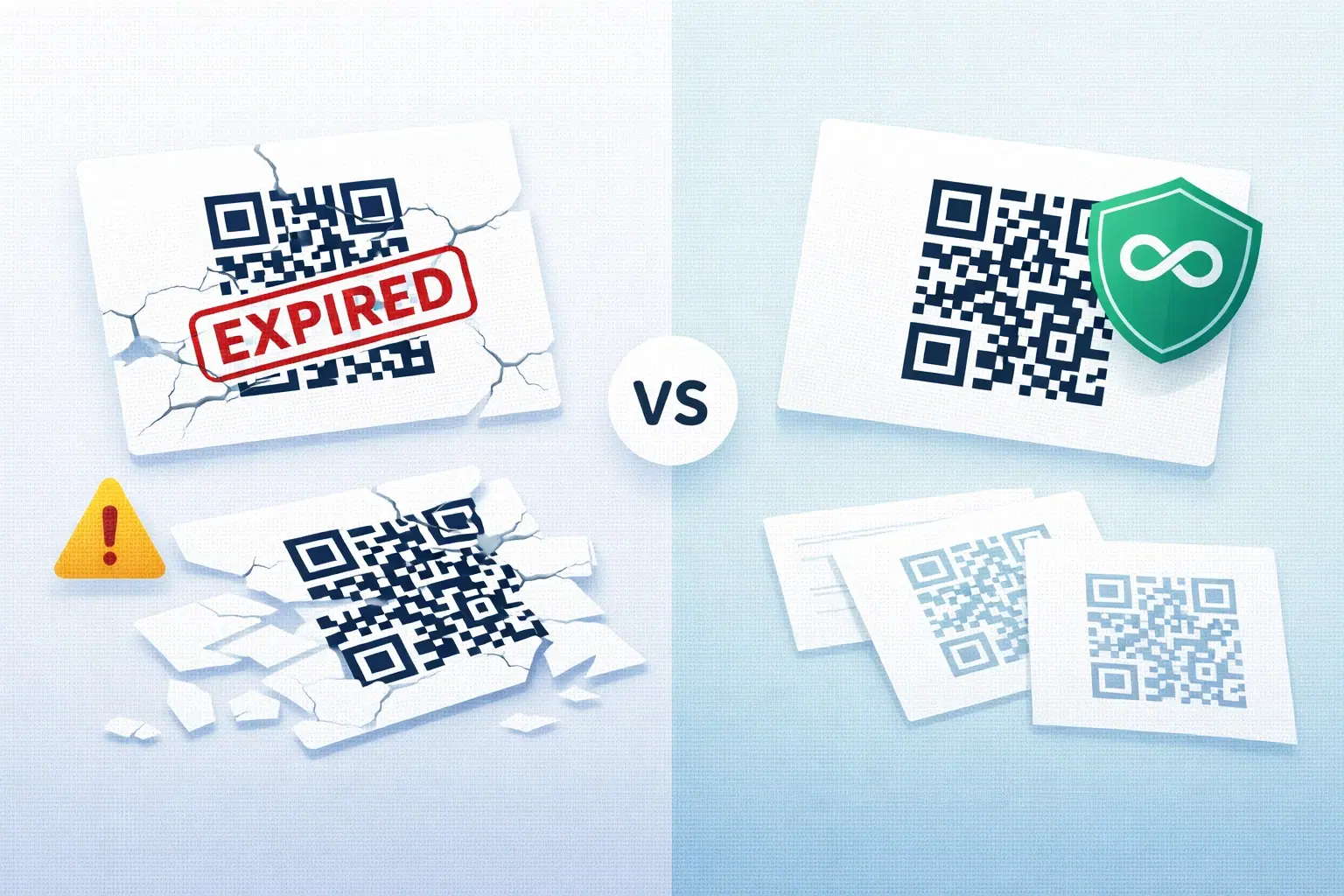
QR Codes That Never Expire: Why Most Free QR Codes Stop Working (Updated 2026)
Free QR codes often expire after 14 to 90 days, breaking printed materials and costing more in reprints than a paid plan ever would. Updated October 2026 guide with platform expiry timelines and a step-by-step rescue plan.