The Psychology of QR Code Scanning: Why People Scan (or Don't) in 2026
A QR code that nobody scans is just a decoration. The difference between a code that gets scanned and one that gets ignored is rarely technical. It is psychological. Here is what actually drives the decision to scan.

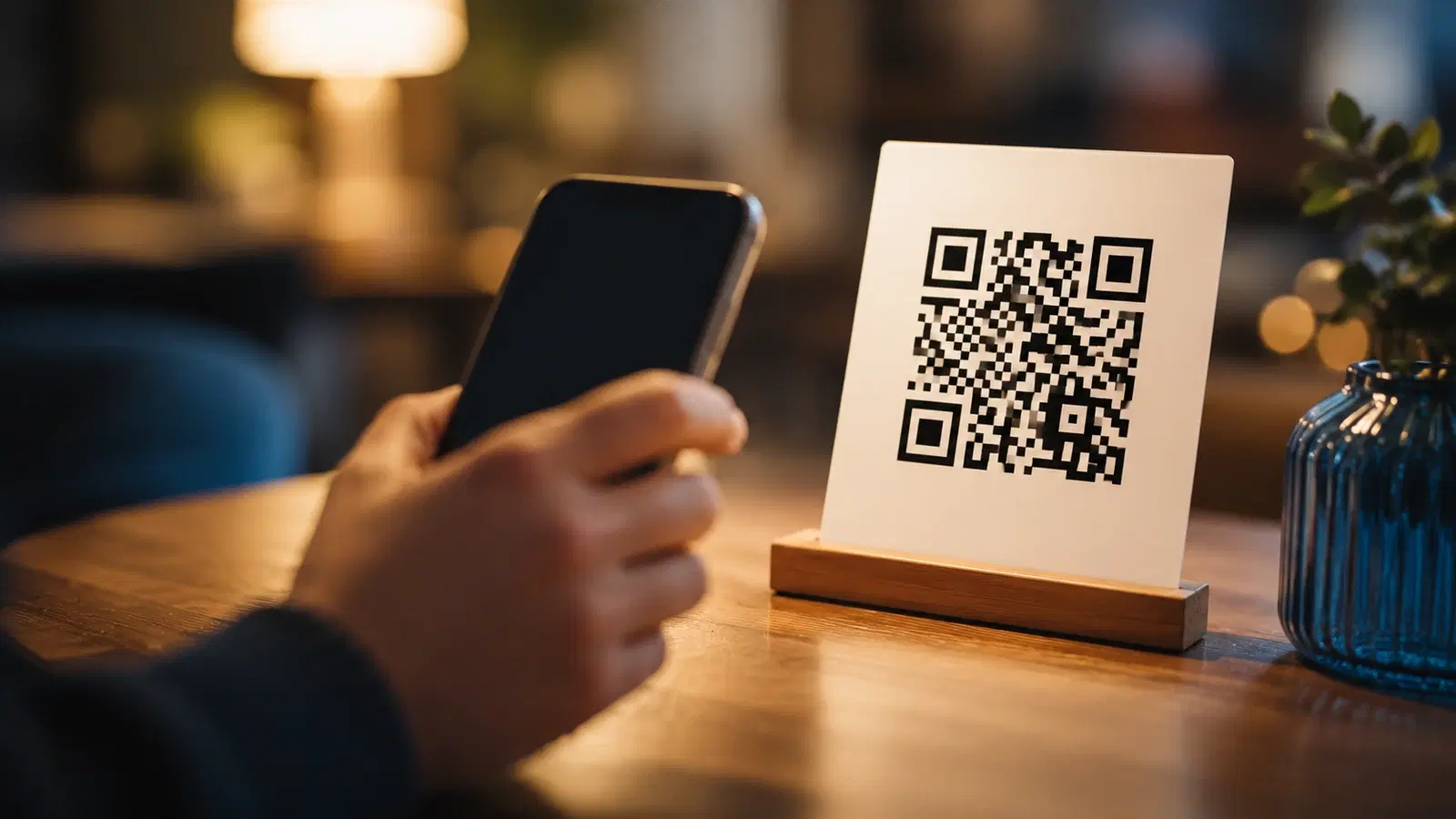
Most advice about QR codes is technical: make it big enough, use enough contrast, keep the quiet zone clear, pick the right error correction. All of that matters, and all of it is necessary. None of it is sufficient.
Because a perfectly designed, technically flawless QR code that gives someone no reason to scan it is still just a decorative square. The technical work gets you to the point where a scan is *possible*. The psychological work is what makes it *happen*.
This article is about that second part. Why does someone pull out their phone for one code and walk past another? The answer is not random, and it is not mostly about design. It is about a fast, mostly unconscious calculation people run in about one second. Understanding that calculation is how you go from a code nobody scans to one that works.
The One-Second Calculation
When someone sees a QR code, they run a quick mental trade in roughly a second, usually without noticing they are doing it:
"Is what I get worth what it costs me?"
The cost side is higher than most businesses assume. Scanning is not free. It requires the person to:
- Notice the code and understand what it is
- Retrieve their phone (from a pocket, a bag, a table)
- Unlock it
- Open the camera
- Aim, focus, and wait
- Tap the notification
- Wait for a page to load
- Deal with whatever appears
That is genuinely more effort than it looks on paper, especially in public, especially if they are with other people, especially if they are in a hurry.
The benefit side is usually vague. Most QR codes communicate nothing about what is behind them. A bare square with no explanation offers an unknown reward for a known cost. That trade fails almost every time.
The implication: If you do not explicitly tell someone what they get, they will assume the answer is "not much," because that has been true of most codes they have encountered. Their default is skepticism, and it is earned. Your job is to make the benefit specific and obvious enough to beat a cost that is higher than you think.
Pro Tip
Assume the cost of scanning is higher than it feels to you. You are already thinking about your QR code; your customer is thinking about their lunch. The benefit has to be clear enough to overcome genuine, real-world effort and a lifetime of disappointing QR codes.
Why "Scan Me" Fails and Specificity Wins
The single most common QR code mistake is not technical. It is a call-to-action that communicates nothing.
Why "Scan Me" does not work: It tells the person what to do, not what they get. It answers the wrong question. Nobody is confused about the mechanics of scanning; they are unconvinced about the value. "Scan Me" adds zero to the benefit side of the trade.
The same goes for "Scan for more info," which is barely better. More information about what? Why would I want it?
What works instead: state the reward, specifically.
- Not "Scan Me" but "Scan to see tonight's specials"
- Not "Scan for info" but "Scan to watch the 2-minute setup video"
- Not "Learn more" but "Scan for 15% off your next order"
- Not "Our menu" but "Scan for the full menu with photos and allergens"
Why specificity works so well: It removes the uncertainty that kills the trade. A vague promise is discounted heavily because people have been burned by vague QR codes before. A specific promise ("the full menu with photos") is credible, easy to evaluate, and clearly worth one second of effort.
The test to apply: Read your call-to-action and ask, honestly, "would I bother?" If you are not sure, the answer for your customer is no. Rewrite it until the reward is concrete enough that the trade is obviously worth making.
Context Determines Everything
The same QR code, with the same design and the same call-to-action, can succeed in one location and fail completely in another. Context is not a minor factor; it often dominates.
The three context questions that decide the outcome:
1. Can they physically scan it? This sounds obvious, yet it is violated constantly. A code on a highway billboard, on a moving vehicle, on a TV screen that changes, in a tunnel with no signal, or high on a wall out of reach cannot be scanned no matter how good it is. The classic 2010s QR failures were mostly this.
2. Do they have a spare moment? A person waiting in line, sitting at a table, riding a train, or waiting for an appointment has idle time and a low cost of scanning. A person rushing to work, carrying groceries, or mid-conversation does not. The same code performs completely differently in these two states.
This is why the queue is such a powerful placement. People in line are bored, stationary, holding their phones already, and looking for something to do. The cost of scanning approaches zero. This is often the single best place to put a code.
3. Is the reward relevant right now? A code offering a dinner menu is compelling at 7pm in a restaurant and meaningless at 9am on a bus. Relevance is a function of moment, not just audience.
The practical rule: Before placing a code, stand where the customer will stand and honestly ask: can they scan it, do they have a moment, and do they want this right now? If any answer is no, move the code or change the offer.
Important
The most common cause of a "failed" QR code is not the code. It is the placement. A brilliantly designed code in a location where people cannot physically scan it, have no spare second, or have no interest in the reward will fail every time. Fix the placement before blaming the design.
Trust, Suspicion, and the Cost of Uncertainty
There is a factor that has grown noticeably more important: people are increasingly wary of QR codes, and for good reason.
The trust problem is real. Scam QR codes exist. Fake payment codes get stuck over real ones. Malicious codes lead to phishing pages. Public awareness of this has grown, and people are appropriately more cautious than they were a few years ago. A QR code is opaque: you cannot see where it goes until you have gone there. That opacity is exactly what makes people hesitate.
How suspicion changes the calculation: Uncertainty is a cost. If a person is not sure whether a code is safe, that doubt is added to the effort side of the trade, and it can be enough to tip an otherwise-worthwhile scan into a "not worth the risk."
How to reduce suspicion:
- Brand the code's context. A code on your own well-designed signage, with your logo and business name nearby, is obviously yours. A bare code on a plain sticker looks like it could have been slapped there by anyone.
- Be specific about the destination. "Scan to see our menu at ourrestaurant.com" is far more reassuring than an unlabeled code. Naming the destination removes the unknown.
- Own the physical context. Codes on your own printed materials, menus, and packaging inherit your credibility. Codes on loose stickers do not.
- Check your codes. For businesses displaying payment codes especially, physically verify that nobody has stuck a fake code over yours. This is a documented scam.
The underlying principle: Anything that reduces the unknown makes scanning more likely. Trust is not a soft factor; it is a direct input into whether the trade is worth making. See our QR code security guide.
What Happens After the Scan Decides the Next One
The scan is not the finish line. It is the moment you either earn a future scan or lose one permanently.
The post-scan moment is a promise being kept or broken. Someone spent effort based on a promise you made. What loads next either honors that or does not. And the outcome does not just affect this interaction; it teaches them what to expect from QR codes generally, including yours.
What breaks the promise:
- A slow-loading page (people abandon in seconds, especially on poor mobile data)
- A page that is not mobile-optimized, requiring pinching and zooming
- A generic homepage instead of the specific thing you promised
- A form or login wall before the promised value
- A page that does not deliver what the call-to-action said
Why the "homepage instead of the thing" failure is so costly: If you promised the menu and delivered your homepage, the person now has to hunt for the menu. That is a bait-and-switch from their perspective, even if unintentional. They will not scan your codes again, and they will be slightly less likely to scan anyone's.
The compounding effect nobody accounts for: Every disappointing scan makes the next QR code (yours and everyone else's) less likely to be scanned. Every rewarding scan makes it more likely. The collective reputation of QR codes is built from these individual experiences, and each business either deposits into or withdraws from that shared trust.
The rule: Deliver exactly what you promised, immediately, on a fast mobile page, with no gate in front of it. That is the whole standard. Meeting it is what makes the *next* scan possible.
- State a specific reward, never just "Scan Me"
- Place codes where people can physically scan and have a spare moment
- Reduce suspicion with branding, context, and a named destination
- Deliver exactly what was promised, immediately
- Ensure the destination is fast and mobile-optimized
- Never gate the promised value behind a form or login
Conclusion
A QR code gets scanned when a person, in about one second, concludes that what they will get is worth the genuine effort of getting it. Everything else follows from that.
Which means the highest-leverage work is rarely technical. It is telling people specifically what they get rather than instructing them to scan. It is placing codes where people can actually scan and have a moment to spare, with the queue being the most underrated placement of all. It is reducing the suspicion that opacity naturally creates, by branding the context and naming the destination. And it is keeping the promise instantly on the other side, because a broken promise costs you not just this scan but the next one, and quietly makes every other QR code slightly less likely to be scanned too.
Get the technical fundamentals right, certainly. But if your codes are not being scanned, the problem is almost never that the code is 2mm too small. It is that you never gave anyone a reason.
Related reading:
Create a trackable QR code with QRForever. Start a 7-day full-access trial, no credit card needed. Scan analytics show you which placements and calls-to-action actually work.
Explore QRForever Solutions
Ready to Create Your Own QR Codes?
Start creating dynamic QR codes for your business today. Track analytics, update content anytime, and never reprint again.
Related Articles
QR Code Marketing Strategy: 15 Campaign Types That Work in 2026
A practical QR code marketing playbook: 15 campaign types with real examples, a channel-by-channel breakdown, attribution setup, and the mistakes that quietly waste budget. Updated June 2026.
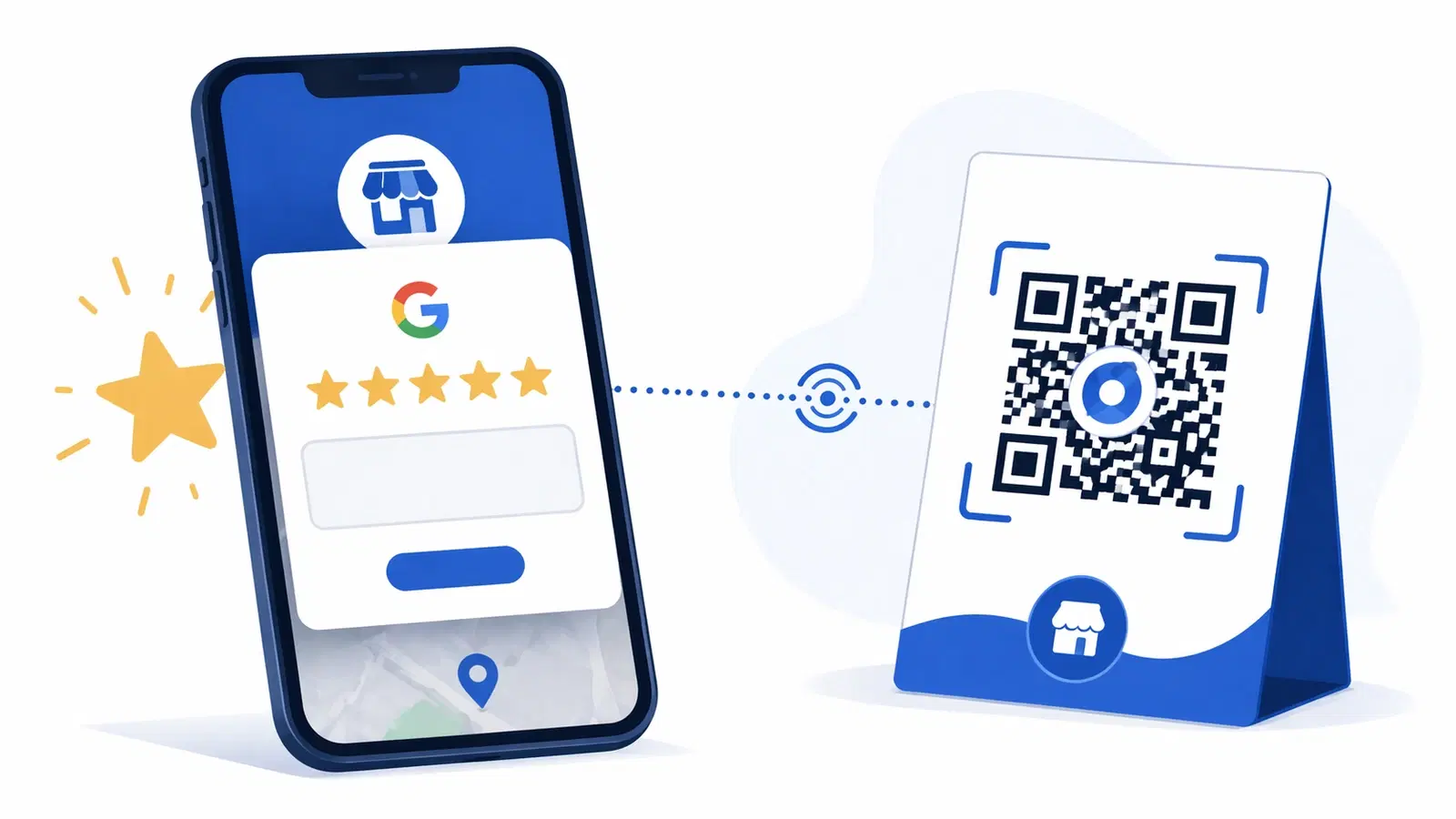
How to Create a QR Code for Google Reviews: Get More 5-Star Reviews in 2026
A Google Review QR code sends customers straight to your review page, no searching, no friction. Learn how to set it up, where to place it, and how businesses 3x their review count.
How to Create a QR Code for Your Instagram & Social Media Profiles in 2026
Link your Instagram, Facebook, YouTube, or any social profile to a QR code. Perfect for offline promotions, packaging, and events. Includes Linktree alternatives and multi-link setups.