Best Digital Business Card Apps (2026): Popl, Blinq, Mobilo & QR Alternatives
Digital business cards let you share your contact details with a tap or a scan. Here are the best digital business card apps in 2026, how the smart-card players compare, and why a vCard QR code is often the simplest option of all.

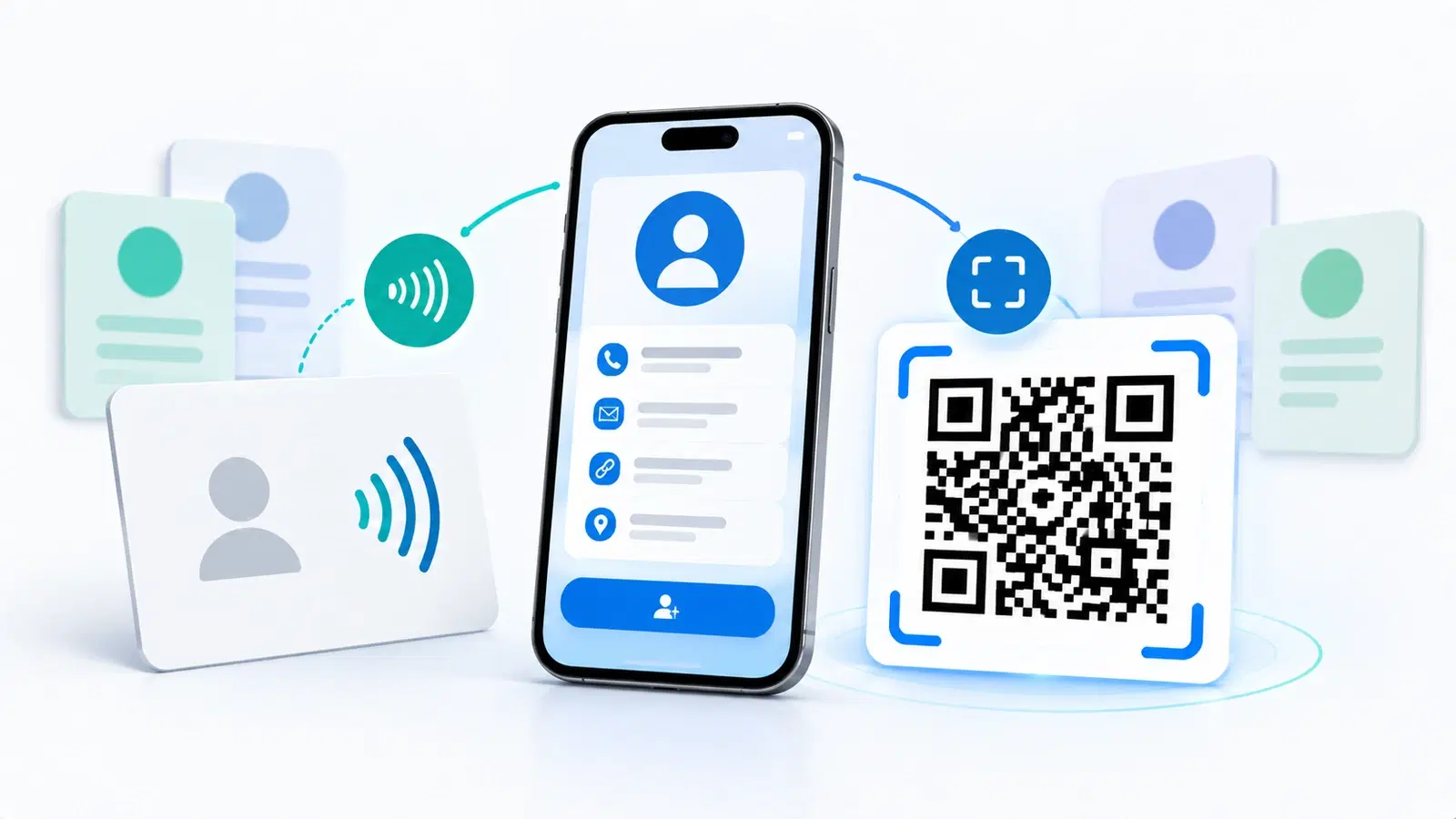
Paper business cards get lost, run out, and go out of date. Digital business cards fix all three: you share your contact details instantly with a tap or a scan, update them anytime, and never run out. In 2026 there are several good ways to do this, from dedicated smart-card apps to a simple vCard QR code, and the best choice depends on how you network and what you want to spend.
The dedicated apps, names like Popl, Blinq, and Mobilo, build a whole ecosystem around smart cards and contact sharing. They are polished and feature-rich. But there is also a simpler, often cheaper route that many people overlook: a vCard QR code, a single code that opens your contact details on any phone, no special app or hardware required.
This guide compares the best digital business card options in 2026, covers how the smart-card players differ, and explains when a vCard QR code is the smarter, simpler choice. Details and pricing change, so verify current specifics on each provider's site. For the QR route specifically, see our vCard QR code guide and QR code on a business card design guide.
The Two Approaches: Smart-Card Apps vs vCard QR Codes
Before the options, it helps to understand the two fundamentally different approaches, because they suit different people.
Approach 1: dedicated smart-card apps and ecosystems. Apps like Popl, Blinq, and Mobilo build a full experience around digital business cards: an app to manage your card, often physical smart cards or tags that share your details via a tap (using NFC), contact-capture features, team management for companies, and analytics on your shares. They are polished and powerful, aimed at people for whom networking and contact management are central. This approach is an ecosystem you buy into.
Approach 2: a vCard QR code. The simpler route is a vCard QR code, a single QR code that, when scanned by any phone camera, opens your contact details (or a digital card page) ready to save. No special app for the person scanning, no hardware required, and it works on essentially any modern phone. You can put it on a printed card, in your email signature, on a phone screen, anywhere. See how vCard QR codes work.
The core tradeoff.
- Smart-card apps offer a richer, more managed experience with hardware and deeper features, at a higher cost and complexity, and often requiring the sharer (and sometimes the receiver) to buy into an app or device.
- A vCard QR code offers the essential function, instantly sharing your contact details, with maximum simplicity, universal compatibility, and low cost, on a platform you may already use for other QR codes.
Which is right depends on whether you want a networking ecosystem or a simple, universal way to share your details.
The Smart-Card Players: Popl, Blinq, Mobilo
If you want the full ecosystem approach, here are the well-known dedicated apps, described fairly and generally. Confirm current features and pricing on each provider's site.
Popl. A popular digital business card platform known for tap-to-share smart products and a polished app, oriented toward individuals and teams who network actively. Strong on the smart-card experience and contact capture.
Blinq. A well-regarded digital business card app focused on creating and sharing digital cards, with team features for businesses. Known for a clean card-creation experience.
Mobilo. A digital business card and smart-card platform aimed notably at teams and businesses, with an emphasis on contact management and integrations for organizations.
What they share. All three center on the digital business card and contact-sharing experience, typically offer physical smart cards or tags that share details via a tap, provide apps to manage your card, and include team features and analytics at higher tiers. They differ in specifics, pricing, hardware, exact feature sets, and team capabilities, which is why "Popl vs Blinq vs Mobilo" comparisons are common. If the smart-card ecosystem is what you want, evaluate them head-to-head on the features and pricing that matter to you.
Who they suit. These apps suit people and teams for whom networking is central: sales teams, event-heavy roles, and anyone who wants deep contact management, tap-to-share hardware, and team provisioning. If that is you, the ecosystem is worth the cost and buy-in.
- Popl: tap-to-share smart products, polished app, individuals and teams
- Blinq: clean digital card creation, team features for businesses
- Mobilo: team-focused, contact management and integrations
- All three: app-managed cards, often NFC smart hardware, team tiers + analytics
- Best for networking-heavy people and teams who want the full ecosystem
Why a vCard QR Code Is Often the Better Choice
For a large share of people, a vCard QR code covers the real need with far less cost and complexity than a smart-card ecosystem. Here is why it is worth serious consideration.
Universal, no app or hardware needed. A vCard QR code is scanned by any phone's built-in camera, no app to download for the person receiving your details, and no smart card or tag to buy. That universality is a genuine advantage: it works with everyone, on any modern phone, immediately. See how QR codes work.
Simplicity and low cost. There is no ecosystem to buy into. You create the code once, and it shares your details reliably. This is dramatically simpler and usually cheaper than a smart-card subscription plus hardware, especially if you already use a QR platform for other codes.
It goes everywhere. A vCard QR code is not tied to a physical card. Put it on a printed business card, in your email signature, on your phone's lock screen, on a presentation slide, on a name badge, anywhere. One code, many placements. See QR code on a business card design guide.
Editable and trackable with a dynamic code. If you use a dynamic vCard QR code, you can update your details without reprinting anything, change jobs, number, or email, and the same code stays current, and you can even track scans. This solves the "outdated card" problem completely. See dynamic vs static.
One platform for all your codes. If you already use a QR platform for marketing, menus, or other codes, adding a vCard QR code keeps everything in one place, rather than adopting a separate business-card ecosystem. See our vCard QR code guide.
The honest comparison. Smart-card apps do more, tap-to-share hardware, deep contact management, team ecosystems, and if you need those, they are worth it. But if your actual need is simply "let me share my contact details instantly with anyone," a vCard QR code delivers that with less cost, less complexity, and universal compatibility. For many people, that is the smarter choice.
Pro Tip
Before subscribing to a smart-card app and buying hardware, ask what you actually need. If it is just "share my contact details instantly with anyone," a vCard QR code does exactly that, on any phone, with no app or hardware for the receiver, and you can make it dynamic so your details are always current. Try the simple route first; upgrade to an ecosystem only if you genuinely need the extra features.
How to Choose the Right Option
Here is a simple way to decide between a smart-card ecosystem and a vCard QR code.
Choose a smart-card app (Popl, Blinq, Mobilo, etc.) if:
- Networking is central to your role and you want tap-to-share hardware.
- You need deep contact management and capture as part of your workflow.
- You are a team or company wanting managed cards and provisioning for many people.
- You value the polished, all-in-one ecosystem and its extra features enough to pay for it.
Choose a vCard QR code if:
- You mainly want to share your contact details instantly and simply.
- You value universal compatibility, works on any phone, no app or hardware for the receiver.
- You want low cost and low complexity.
- You would like your details editable (dynamic) without reprinting, and possibly trackable.
- You already use, or are happy to use, a QR platform for your codes.
For teams specifically. Teams that need managed, provisioned cards with contact capture may find a dedicated ecosystem worthwhile. But teams that simply want everyone to share details easily can also do that with vCard QR codes managed on a QR platform, often more simply and affordably. Weigh the extra ecosystem features against the cost.
The bottom line. The best digital business card option is the one that matches how you actually network. If you want a full ecosystem with hardware and deep features, the smart-card apps deliver it. If you want a simple, universal, low-cost way to share your details that works with everyone and stays current, a vCard QR code is often the smarter, simpler choice, and one you can set up in minutes.
Conclusion
Digital business cards solve the real problems of paper cards, they never run out, never go out of date, and share instantly, and in 2026 you have two good routes. Dedicated smart-card apps like Popl, Blinq, and Mobilo build a rich ecosystem around tap-to-share hardware, contact management, and team features, which is worth it if networking is central to your work. A vCard QR code takes the simpler route: one code that opens your contact details on any phone, no app or hardware for the receiver, at low cost and complexity.
For a large share of people, the vCard QR code is the smarter choice, because it delivers the essential function, sharing your details instantly with anyone, with universal compatibility, low cost, and, when dynamic, details you can update without reprinting and even track. If you already use a QR platform for other codes, it keeps everything in one place.
Choose a smart-card ecosystem if you need its hardware and depth; choose a vCard QR code if you want simple, universal, always-current contact sharing. Match the option to how you actually network, and you will have a digital business card that just works.
Related reading:
Create a vCard QR code with QRForever. Start a 7-day full-access trial, no credit card needed. Share your contact details on any phone, update them anytime, no app or hardware needed.
Explore QRForever Solutions
Ready to Create Your Own QR Codes?
Start creating dynamic QR codes for your business today. Track analytics, update content anytime, and never reprint again.
Related Articles
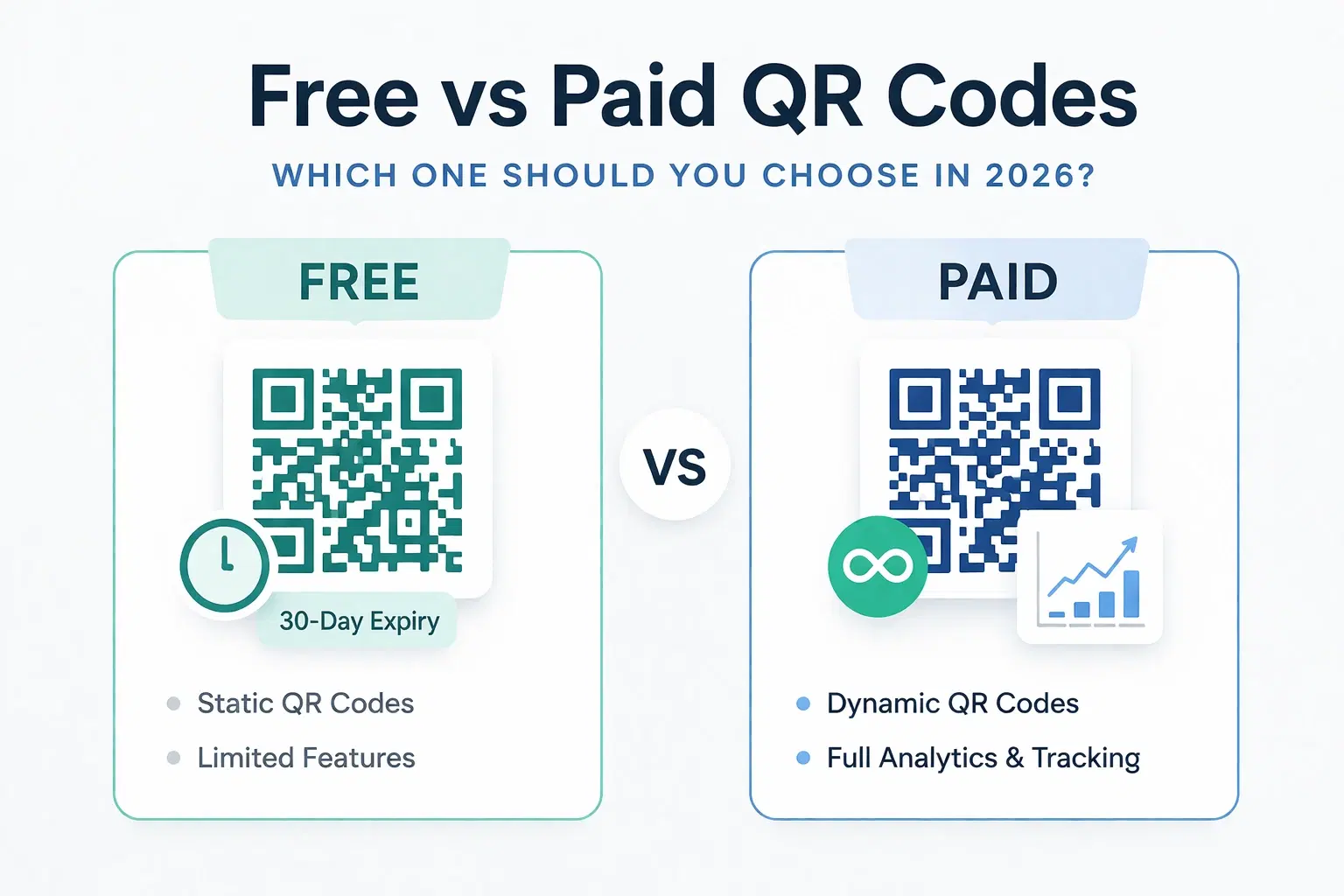
Dynamic QR Code Generator Free vs Paid: What You Actually Need (2026)
An honest breakdown of free vs paid dynamic QR code generators. How much a dynamic QR code really costs in 2026, when the free tier is enough, and when a paid plan from around $1.20/month makes more sense than you think.
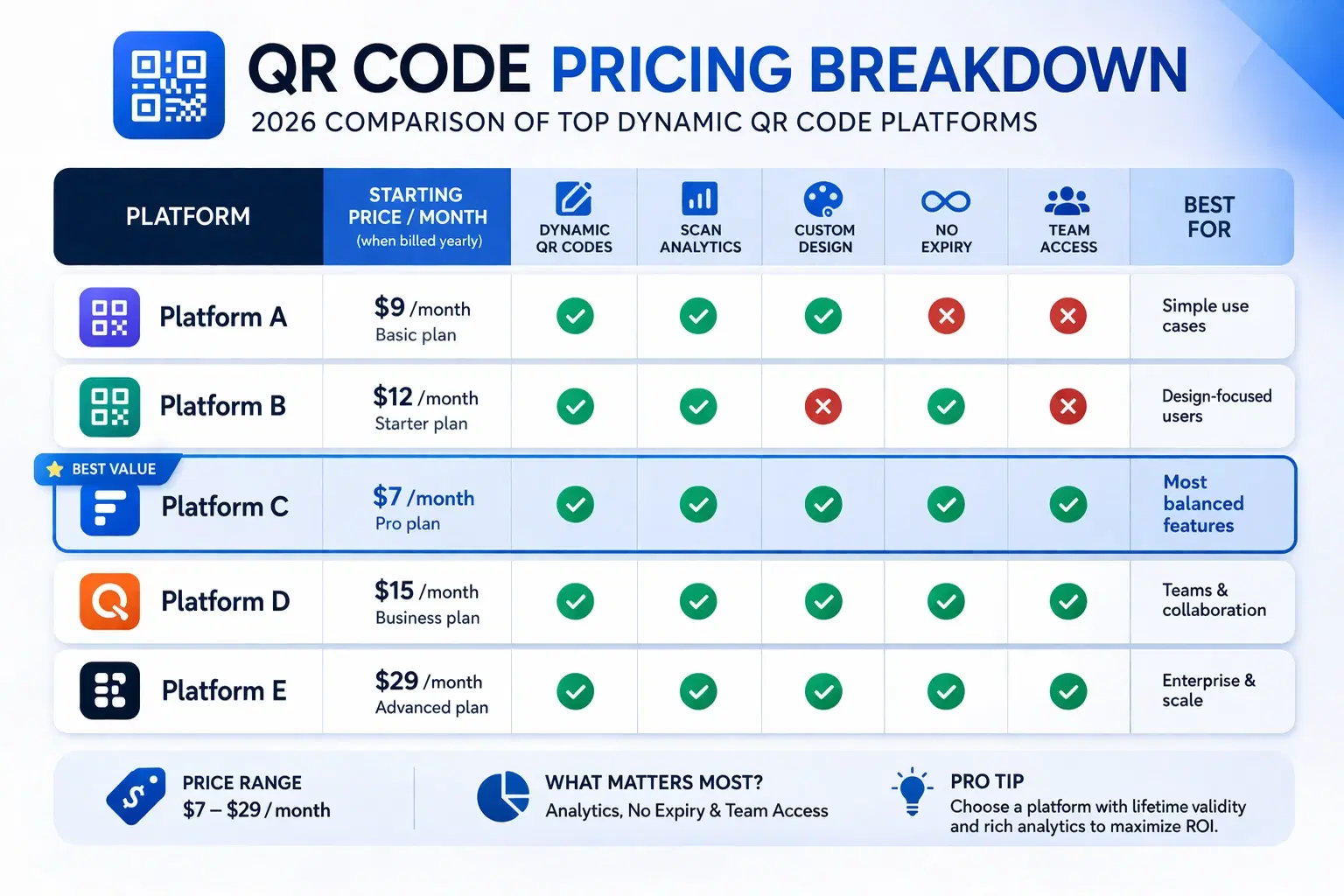
How Much Does a Dynamic QR Code Cost? (2026 Pricing Breakdown)
A transparent pricing breakdown for dynamic QR code generators in 2026, including Beaconstac, QR Tiger, Flowcode, Bitly, and QRForever. Find out who offers the best value and when free is enough. Updated June 2026.
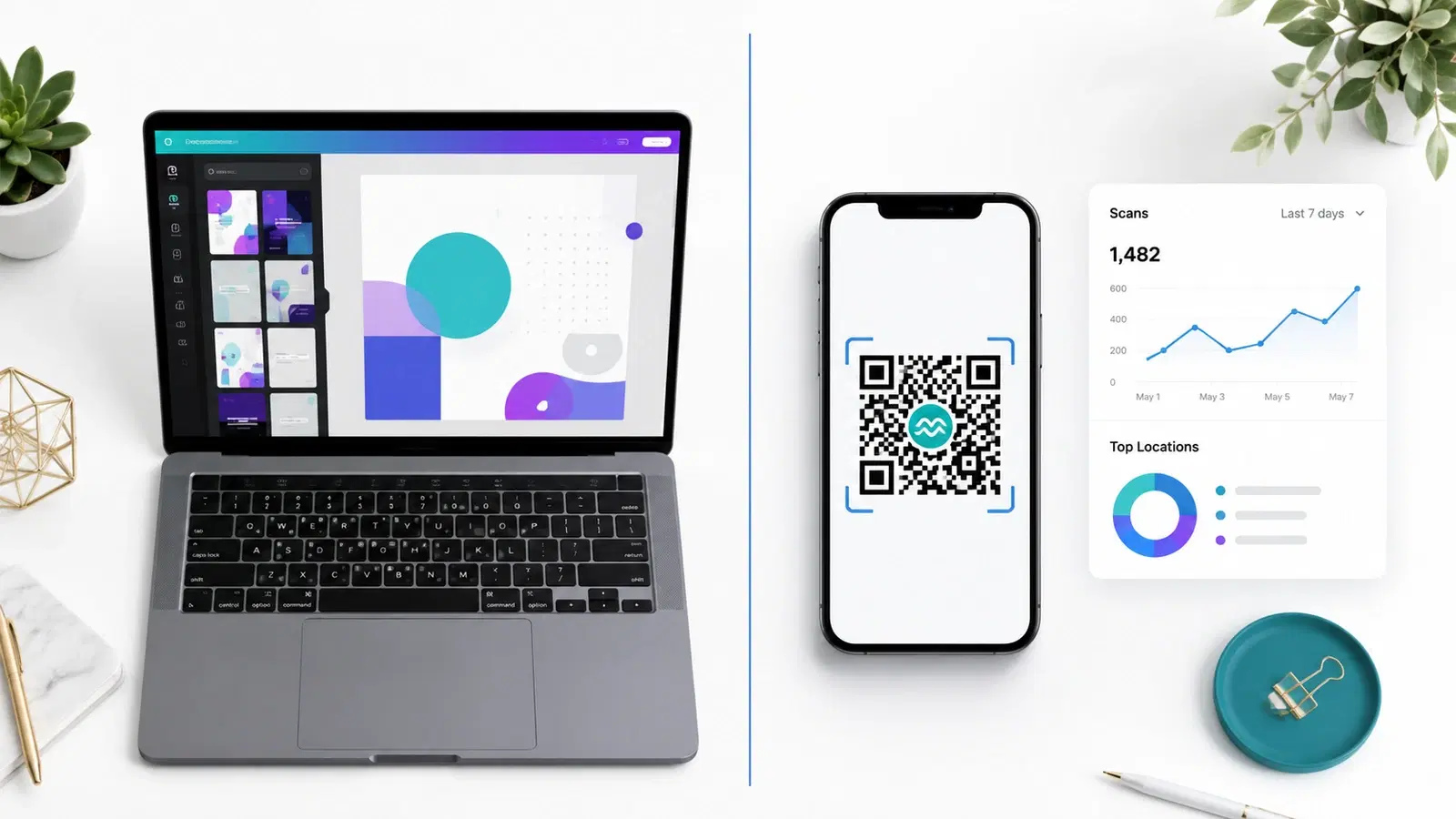
QRForever vs Canva QR Code Generator: Full Comparison 2026
Canva has a built-in QR code generator, but is it actually a complete solution? We compared it head-to-head with QRForever on dynamic codes, analytics, expiry, and design: here's what we found.