QR Code vs NFC Tag: Which Is Better for Your Use Case (2026)
QR codes and NFC tags both connect the physical world to digital content, but in different ways. One is scanned with a camera and costs nothing to produce; the other is tapped and needs a chip. Here is how to choose between them in 2026. Updated September 2026.

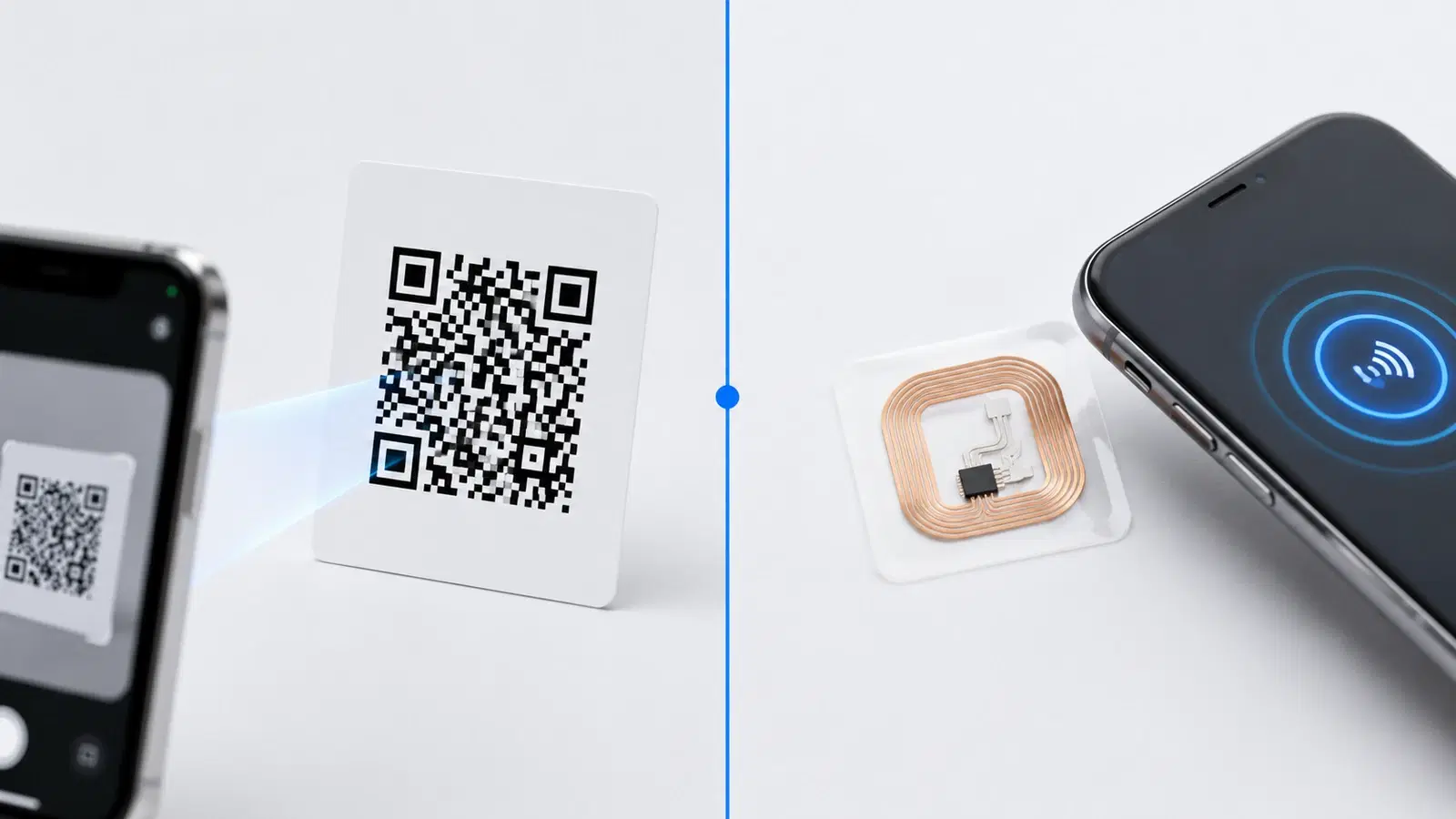
QR codes and NFC (Near Field Communication) tags do a similar job: they connect something in the physical world to digital content or an action. Tap or scan, and your phone opens a link, saves a contact, connects to WiFi, or triggers something. Because they overlap so much, people often wonder which one they should use.
The honest answer is that they have different strengths, and the right choice depends on your budget, your use case, and your audience. QR codes cost nothing to produce, work on virtually every phone, and can be scanned from a distance. NFC tags offer a slicker tap experience and can be hidden inside objects, but they cost money per tag and are not supported by every device in the same way.
This guide compares the two technologies fairly across the factors that matter, and gives you a clear framework for choosing between a QR code, an NFC tag, or both.
How Each Technology Works
The two technologies connect physical to digital in fundamentally different ways.
QR codes (visual, camera-based): A QR code is a printed visual pattern. To use it, you point your phone's camera at it, and the phone reads the pattern optically and opens the encoded link or content. It is a visual, line-of-sight technology: the camera has to see the code. QR codes are just printed ink, so they cost nothing beyond printing and can go on any surface that can hold an image.
NFC tags (wireless, tap-based): An NFC tag is a small chip with an antenna, embedded in a sticker, card, or object. To use it, you tap or hold your phone very close to the tag (within a few centimeters), and the phone reads the chip wirelessly via radio, then opens the link or action. It is a proximity technology: no camera needed, but the phone must be very close. NFC tags are physical electronic components, so each one costs money.
The core experiential difference:
- QR code: look at it, point your camera, scan. Visual and from a distance.
- NFC tag: bring your phone near it, tap. Tactile and up close, no camera.
A key point about the phone side: Nearly every smartphone made in the last decade has a camera that scans QR codes natively. NFC is common on modern phones but its support and ease of use varies more, and some users are less familiar with tapping than scanning. This difference in universal support matters for public-facing uses, as we will see.
Head-to-Head Comparison
Here is how QR codes and NFC tags compare across the deciding factors:
Cost:
- QR code: essentially free. It is printed ink. You can make and print unlimited codes at no per-unit cost.
- NFC tag: costs money per tag (each is a physical chip). Small individually, but it adds up at scale.
Device support:
- QR code: works on virtually every smartphone via the camera, universally
- NFC tag: works on most modern smartphones, but support and user familiarity vary more
Range:
- QR code: can be scanned from a distance (a poster across a room, a billboard), as long as the camera can see it clearly
- NFC tag: requires very close proximity (a few centimeters), a deliberate tap
Interaction:
- QR code: visual, point-and-scan, works at any distance the camera can resolve
- NFC tag: tactile, tap, feels seamless and modern up close
Durability and placement:
- QR code: printed, can fade or be damaged, but reprints are free; must be visible
- NFC tag: can be hidden inside objects, protected from view, but the chip can fail and is costlier to replace
Data and updatability:
- QR code: dynamic QR codes are fully updatable and offer scan analytics
- NFC tag: can be rewritable, but managing and updating them is less standardized
Security perception:
- Both can be tampered with (a fake QR sticker, a swapped NFC tag), so both require the same real-world care
The summary: QR codes win on cost, universal support, and range. NFC tags win on the tap experience and the ability to be hidden inside objects. Your priorities decide the choice.
- Cost: QR code free vs NFC tag costs money per unit
- Support: QR code near-universal vs NFC more variable
- Range: QR code works at a distance vs NFC needs close tap
- Experience: QR code point-and-scan vs NFC seamless tap up close
- Placement: QR code must be visible vs NFC can be hidden inside objects
When to Choose a QR Code
QR codes are the right choice in the majority of situations, especially anything public-facing or cost-sensitive. Use a QR code when:
Cost matters or you need many: QR codes are free to produce at any scale. If you need codes on thousands of products, flyers, or materials, QR codes cost only printing. NFC tags at that scale get expensive fast.
The audience is the general public: QR codes work on virtually every phone via the camera, and people are widely familiar with scanning them. For public-facing uses (menus, posters, retail, marketing) where you cannot assume anything about the user's device, QR codes are the safe, universal choice.
You need distance scanning: A QR code on a poster, a billboard, a shop window, or a shelf can be scanned from across a room. NFC requires the user to physically reach and tap the tag, which is impossible for anything out of arm's reach.
You want easy updatability and analytics: Dynamic QR codes are simple to update and provide scan analytics as a mature, standard feature. See how to track QR code scans.
You are printing on paper or flat surfaces: Menus, business cards, flyers, packaging, signage. QR codes print anywhere ink goes, at no added cost.
The bottom line for QR codes: For public-facing, cost-sensitive, distance-scanned, or high-volume uses, QR codes are almost always the right answer. This covers the vast majority of real-world scenarios, which is why QR codes are so widespread.
When to Choose an NFC Tag
NFC tags shine in specific situations where their tap experience and hidden placement justify the cost. Use an NFC tag when:
You want a premium, seamless tap experience: For high-end products, luxury packaging, or premium business cards, the tap-to-activate experience feels modern and slick. When the experience itself is part of the brand, NFC's polish can be worth the cost.
The tag can be hidden inside an object: NFC tags can be embedded invisibly inside products, cards, wristbands, or displays, with no visible code. When a visible QR code would spoil the design, a hidden NFC tag preserves the aesthetic. This is a genuine advantage for premium physical products.
Close-proximity, repeated interaction: For uses like access control, event wristbands, contactless payments, or a display users tap repeatedly, NFC's quick tap suits the pattern well.
The audience reliably has NFC phones: In a controlled setting where you know users have modern, NFC-capable phones and are comfortable tapping, NFC works smoothly.
Cost is not a constraint: When you are producing a limited number of premium items and the per-tag cost is immaterial, NFC's experience advantage can justify it.
Common good NFC use cases:
- Premium or luxury product tags
- Event wristbands and access passes
- High-end networking cards
- Interactive retail displays
- Contactless payment terminals
The honest caveat: For most businesses, especially small ones, the cost per tag and the variability in device support make NFC harder to justify than a free, universal QR code, except for specific premium or controlled-environment uses.
Important
Do not assume every customer can use an NFC tag as easily as a QR code. NFC support and user familiarity vary more than camera-based QR scanning. For public-facing uses where you cannot control the user's device, a QR code (or a QR code alongside the NFC tag) ensures no one is left unable to interact.
Using Both, and How to Decide
You do not always have to choose. In some cases, using both covers every user and situation.
When to use both together: Premium products and cards sometimes include both an NFC tag (for the slick tap experience on capable phones) and a small QR code (as the universal fallback for everyone else). The NFC delights users who tap; the QR code ensures no one is excluded. This belt-and-suspenders approach maximizes reach while offering the premium experience where possible.
A simple decision framework:
Choose a QR code if any of these are true:
- You need it to be free or you need many
- The audience is the general public
- It needs to be scanned from a distance
- You are printing on paper or flat materials
- You want easy updates and mature analytics
Choose an NFC tag if all of these are true:
- A premium tap experience genuinely adds value
- The tag can be hidden inside the object
- Your audience reliably has NFC phones
- The per-tag cost is not a concern
Choose both if:
- You want a premium experience but cannot exclude anyone
- The item is high-value enough to justify the added cost
The realistic conclusion for most readers: For the large majority of use cases, especially anything public, printed, distance-scanned, or budget-conscious, a QR code is the practical choice. It costs nothing, works for everyone, and scans from any distance. NFC is a worthwhile upgrade for specific premium or controlled-environment uses, and using both is an option when the item's value justifies it. Match the technology to your actual constraints and audience, not to whichever feels newest.
Conclusion
QR codes and NFC tags both bridge the physical and digital worlds, but they do it differently and suit different situations. QR codes are free, work on virtually every phone, scan from a distance, and are easy to update, which makes them the right choice for the vast majority of public-facing, printed, and cost-sensitive uses. NFC tags offer a premium tap experience and can be hidden inside objects, which makes them worthwhile for high-end products and controlled environments where their cost is justified.
The decision comes down to your constraints. If you need free, universal, distance-scanned, or high-volume, choose QR codes. If a premium tap experience genuinely adds value and cost is not a concern, consider NFC. And when an item is valuable enough to warrant both, using an NFC tag with a QR code fallback covers every user.
For most businesses, the free, universal reliability of a QR code wins. NFC is the specialized upgrade, not the default.
Related reading:
Create a free, universal QR code with QRForever. Start a 7-day full-access trial, no credit card needed. Reach every customer on any phone, at any distance, at no per-code cost.
Explore QRForever Solutions
Ready to Create Your Own QR Codes?
Start creating dynamic QR codes for your business today. Track analytics, update content anytime, and never reprint again.
Related Articles
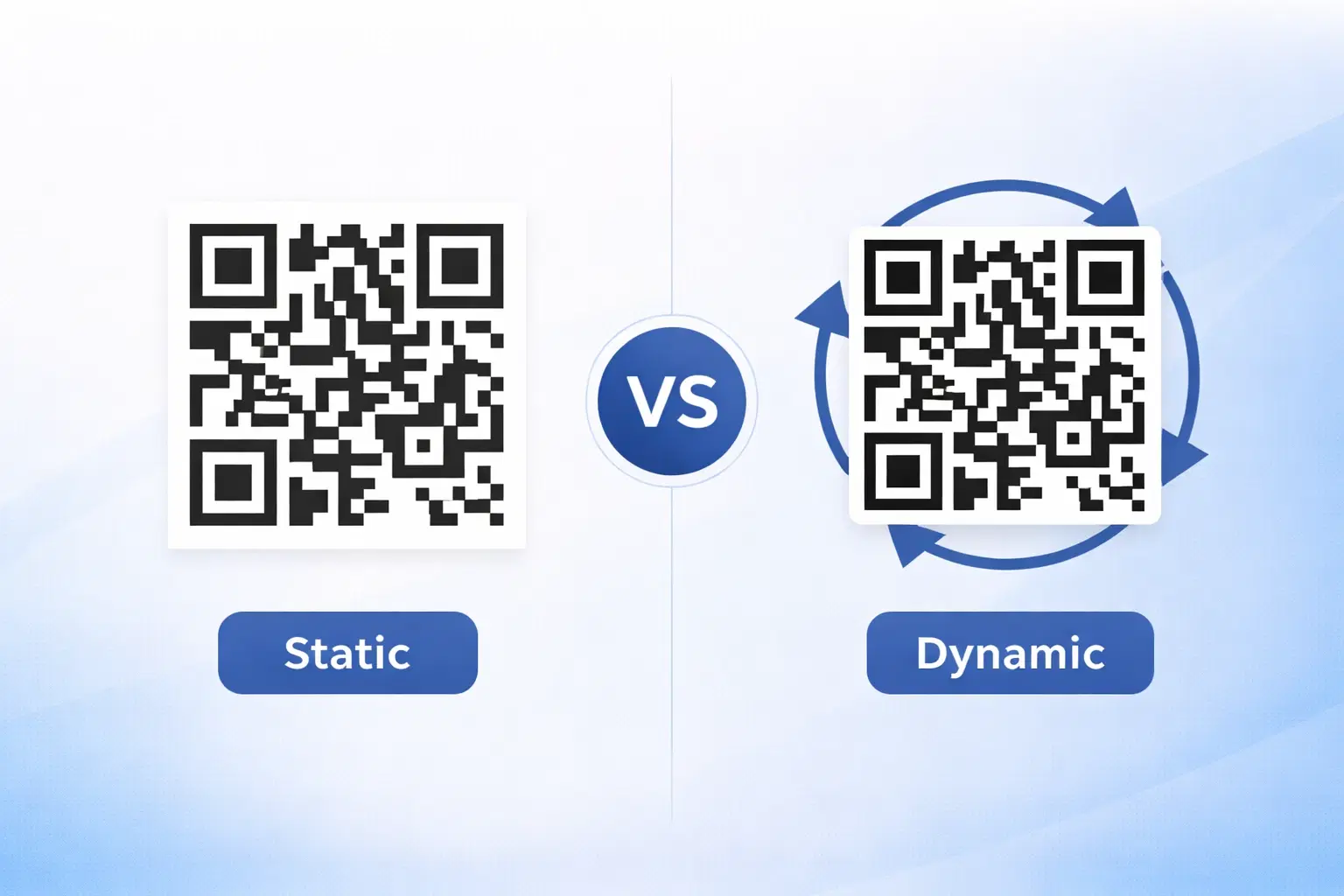
Dynamic vs Static QR Codes: Which One Should You Use? (Updated 2026)
The complete 2026 guide to dynamic vs static QR codes: when each type is right, the hidden costs of choosing wrong, and a decision framework you can apply in 60 seconds.
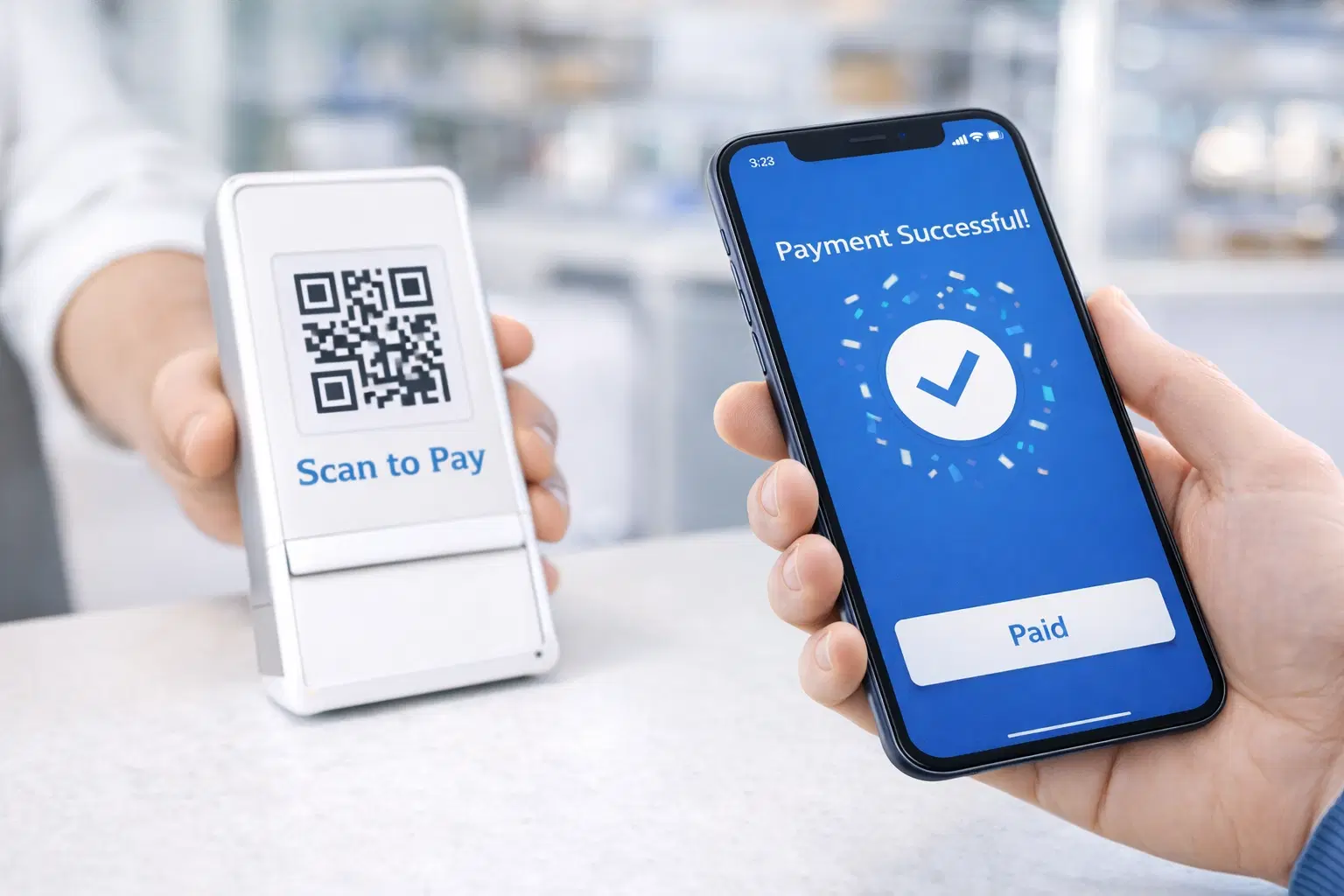
QR Code Payments Explained: How They Work and Why They Matter (Updated 2026)
QR code payments crossed record transaction volumes in 2025 and are now infrastructure, not novelty. Understand how they work: merchant-presented vs consumer-presented, UPI, security, and what it means for your business. Updated June 2026.
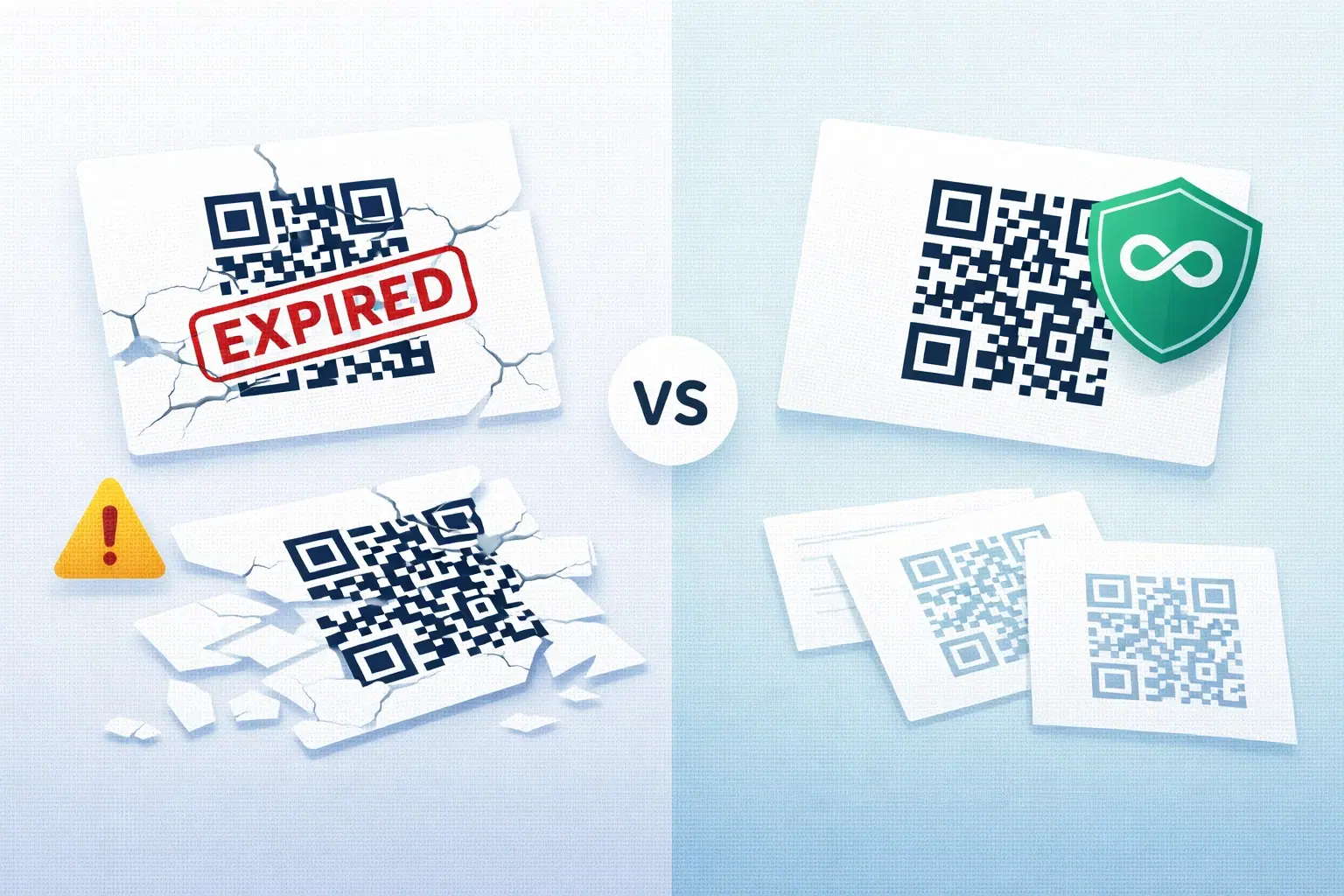
QR Codes That Never Expire: Why Most Free QR Codes Stop Working (Updated 2026)
Free QR codes often expire after 14–90 days, breaking printed materials and costing more in reprints than a paid plan ever would. Updated 2026 guide with platform expiry timelines and a step-by-step rescue plan.