QR Codes for Bars & Nightclubs: Drink Menus, Music Requests & More (2026)
Bars and nightclubs run in dark, loud, fast environments where paper menus fail and shouting orders is the norm. QR codes streamline drink menus, table service, music requests, and event promotion. Here's the 2026 guide for nightlife venues.

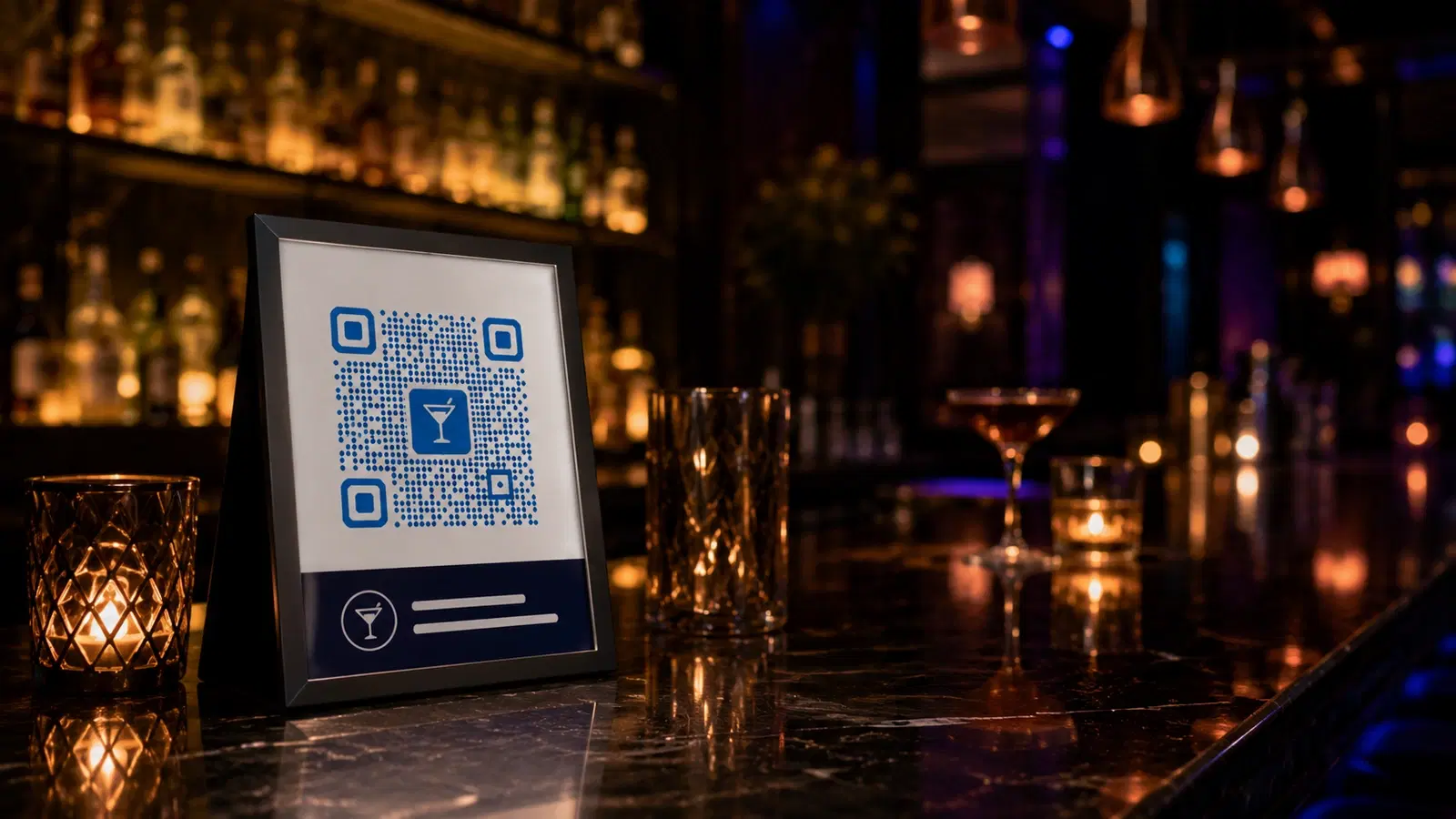
Bars and nightclubs are challenging environments for traditional service: dark, loud, crowded, and fast-moving. Paper menus get wet and worn, shouting orders across a packed bar is inefficient, and printed event posters are outdated the moment the lineup changes.
QR codes fit this environment well. They put the drink menu, ordering, music requests, and event info on the customer's own bright phone screen, readable in the dark, accessible without fighting to the bar.
This guide covers the QR code use cases that work specifically for nightlife venues, with attention to the realities of the environment: low light, high noise, age verification needs, and event-driven business. Bar and nightclub setups share many patterns with QR codes for restaurants and food businesses, so that page is a useful companion reference.
Use Case 1: Drink Menu QR Codes
Bar menus face a specific problem: low light makes printed menus hard to read, and cocktail menus change seasonally or even nightly.
The QR code solution:
A QR code on each table, the bar top, and booth areas links to a digital drink menu. Readable on the customer's bright phone screen in any lighting.
Why this works especially well for bars:
- Readable in the dark: A phone screen is backlit; a printed menu in a dim bar isn't
- Easy to update: Cocktail of the week, seasonal specials, sold-out items: update instantly
- More detail: Full cocktail descriptions, ingredients (important for allergies), ABV, pricing
- Photos: Signature cocktails look enticing with a photo: drives higher-margin orders
- No wear and tear: Printed bar menus get sticky, wet, and worn fast; a QR code doesn't
Setup: 1. Build a mobile-friendly drink menu 2. Create a dynamic QR code 3. Place on tables (table tents or vinyl stickers), bar top, and booths 4. Add a clear, well-lit call-to-action: "Scan for Drinks Menu"
Lighting consideration: In a dark venue, the QR code itself must be in enough light to scan. Position QR codes near table candles, under-bar lighting, or on backlit table tents. A QR code in total darkness can't be scanned. See QR code design guide.
Use a dynamic code: Drink menus change frequently: seasonal cocktails, price adjustments, new additions. A dynamic QR code updates without reprinting every table tent in the venue. See how to edit a QR code after printing.
Pro Tip
For dark venues, use a QR code printed on a lightly backlit or reflective table tent, or position it near existing table lighting. Test scanning in your actual venue lighting at night: a QR code that scans fine in daylight setup may be unscannable during operating hours.
Use Case 2: Table Service & Ordering
Fighting to the bar through a crowd is the worst part of a busy night for customers, and slow table turns for the venue. QR ordering addresses both.
The QR code solution:
A QR code at each table links to an ordering system. Customers order and pay from their seats; staff deliver to the table.
Why this is transformative for busy bars:
- Customers order without leaving their group: no losing your spot, no fighting to the bar
- Higher spend: Customers order more when it's frictionless (no "is it worth fighting to the bar for another round?")
- Faster service: Orders flow directly to the bar queue, no verbal relay
- Tab management: Customers see their running tab on their phone
The economics: Bars that implement table-side QR ordering frequently see higher per-table spend because the friction of reordering is removed. The customer who wouldn't fight to the bar for a third round will tap "order again" on their phone.
Setup:
- Use a hospitality ordering platform that supports table-side QR ordering (many POS systems offer this)
- Each table gets a QR code (often table-number-specific so orders route correctly)
- Link via dynamic QR codes so you can update as you change systems
Age verification consideration: Alcohol ordering requires age verification. QR ordering systems for bars must include age-verification steps and ID checking on delivery. Confirm your platform handles this and complies with local licensing laws. Staff still verify ID at delivery: the QR system handles ordering, not legal age verification.
Important
QR-based alcohol ordering does NOT remove your legal obligation to verify age and prevent service to intoxicated patrons. Staff must still check ID at delivery and exercise judgment. The QR code handles order-taking; it does not handle licensing compliance, which remains the venue's legal responsibility.
Use Case 3: Music & Song Requests
A uniquely nightlife use case: letting patrons request songs or interact with the DJ/music without crowding the booth.
The QR code solution:
A QR code (on tables, the bar, the DJ booth area) links to a song request system or a playlist interaction page.
Setup options:
- DJ request platform: Apps like requestnow or similar let patrons submit song requests via a QR code → the DJ sees a managed queue
- Collaborative playlist: A QR code linking to a collaborative Spotify playlist patrons can add to (works for more casual bar settings)
- Simple request form: A QR code linking to a form where patrons submit requests the DJ reviews
Why this works:
- DJs get requests without patrons crowding the booth
- Patrons feel engaged and involved in the night
- Requests are managed in a queue, not shouted over the music
- Creates a memorable, interactive experience that differentiates the venue
A note on managing it: Give the DJ control, the system should let them curate requests, not auto-play whatever's requested. The goal is patron engagement, not surrendering the music to the crowd.
This is the kind of differentiated experience that gives a venue social-media-worthy moments and repeat visits.
Use Case 4: Event Promotion & Ticketing
Bars and nightclubs are event-driven: themed nights, live music, guest DJs, special events. QR codes connect your physical venue to your event marketing.
Event info & ticketing QR codes:
A QR code on venue signage, flyers, and tables linking to:
- Upcoming events calendar
- Ticket purchase for special events
- Guest list sign-up
- Table/booth reservations
Why dynamic QR codes are ideal for event venues: Your events change constantly. A single dynamic QR code on permanent venue signage ("Scan for upcoming events") always shows the current lineup. Update the destination as events change; the signage stays.
Guest list & table reservation QR codes: A QR code linking to guest list sign-up or VIP table booking. Captures contact info and pre-sells tables, both valuable for a venue.
Social media & follow QR codes: Like food trucks, nightlife venues depend on customers knowing what's happening. A QR code driving Instagram follows ensures patrons see your event announcements. See QR code for Instagram & social media.
The marketing flywheel: 1. Patron visits, scans event QR, follows you on social 2. You announce next weekend's event to your followers 3. They return, bringing friends 4. Friends scan and follow
The QR code is the entry point to this loop. Converting tonight's patron into next weekend's promoter.
For event check-in and ticketing patterns, see QR code event check-in.
- One permanent "upcoming events" QR: update destination as lineup changes
- Guest list sign-up QR: captures contact info pre-event
- VIP table reservation QR: pre-sells high-margin bookings
- Social follow QR: turns patrons into event-announcement recipients
- Ticketing QR on flyers: direct path from poster to purchase
Bonus Use Cases & Implementation Notes
Additional bar/nightclub QR use cases:
WiFi QR code: Guests appreciate WiFi; a QR code connects them instantly. See WiFi QR codes guide.
Feedback QR code: A discreet QR code for feedback lets you catch problems before they become bad reviews. See QR code for customer feedback.
Loyalty / membership QR code: For venues with regulars or membership models, a QR code for loyalty enrollment and rewards.
Photographer / photo gallery QR code: Many venues have event photographers. A QR code linking to the night's photo gallery (where patrons find and share their photos) drives social tagging and venue promotion.
Cloakroom / coat check QR code: A QR code system for coat check tickets, reducing lost-ticket disputes.
Implementation notes specific to nightlife:
Lighting is the #1 constraint. QR codes must be in scannable light. Backlit table tents, positioning near table candles, or under-bar lighting. Test in actual operating-hours lighting.
Durability matters. Bar environments are wet and sticky. Use vinyl/laminated QR codes, not paper.
Keep destinations fast. Patrons are impatient and may be on poor signal in a crowded venue. Lightweight, fast-loading destinations only.
Age verification is legally non-negotiable for any alcohol-ordering use case. QR systems support ordering; they don't replace your licensing obligations.
For QR code durability and sizing, see our QR code size guide.
Conclusion
Bars and nightclubs operate in an environment (dark, loud, crowded, fast), where QR codes solve real friction. Digital drink menus are readable in low light and update instantly. Table-side ordering removes the fight-to-the-bar bottleneck and increases spend. Music request QR codes create engaging, differentiated experiences. And event promotion QR codes turn tonight's patrons into next weekend's followers.
The implementation realities matter more here than in most industries: QR codes must be in scannable light (test in operating-hours conditions), must be durable enough for a wet bar environment, and any alcohol-ordering use case must respect age-verification and licensing law. QR codes streamline ordering but never replace legal compliance.
Start with the drink menu (immediate, universal value) and add table ordering or event promotion based on your venue's biggest opportunity.
Related reading:
Create your venue's QR codes with QRForever. Start a 7-day full-access trial, no credit card. Dynamic codes are editable anytime with full scan analytics. Start with your drink menu, the universal nightlife QR use case.
Explore QRForever Solutions
Ready to Create Your Own QR Codes?
Start creating dynamic QR codes for your business today. Track analytics, update content anytime, and never reprint again.
Related Articles
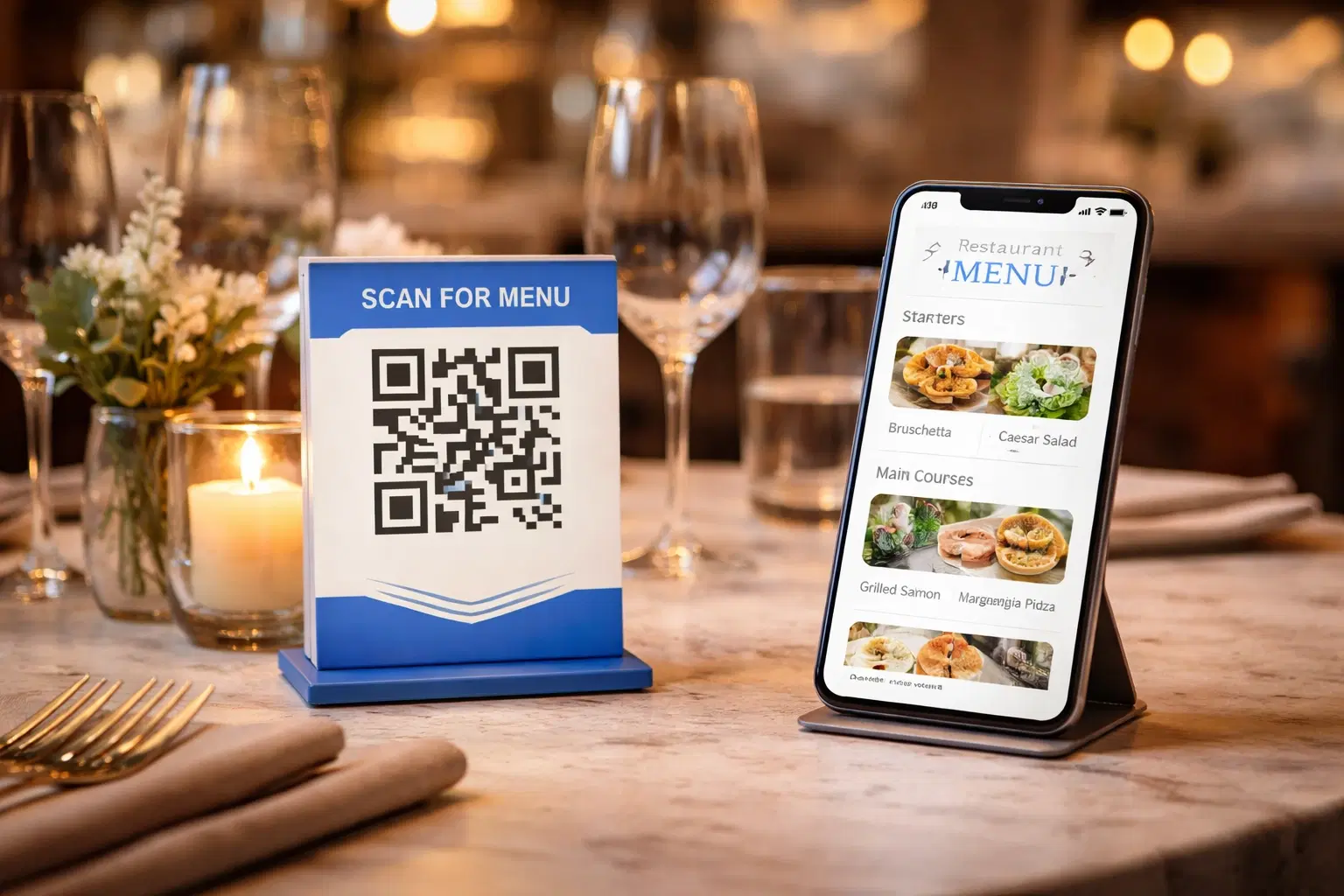
QR Code Menus for Restaurants: The Complete Setup Guide (Updated 2026)
Step-by-step guide to implementing QR code menus in your restaurant. Covers menu format options, placement strategy, staff training, and the one mistake that causes reprints. Updated May 2026.
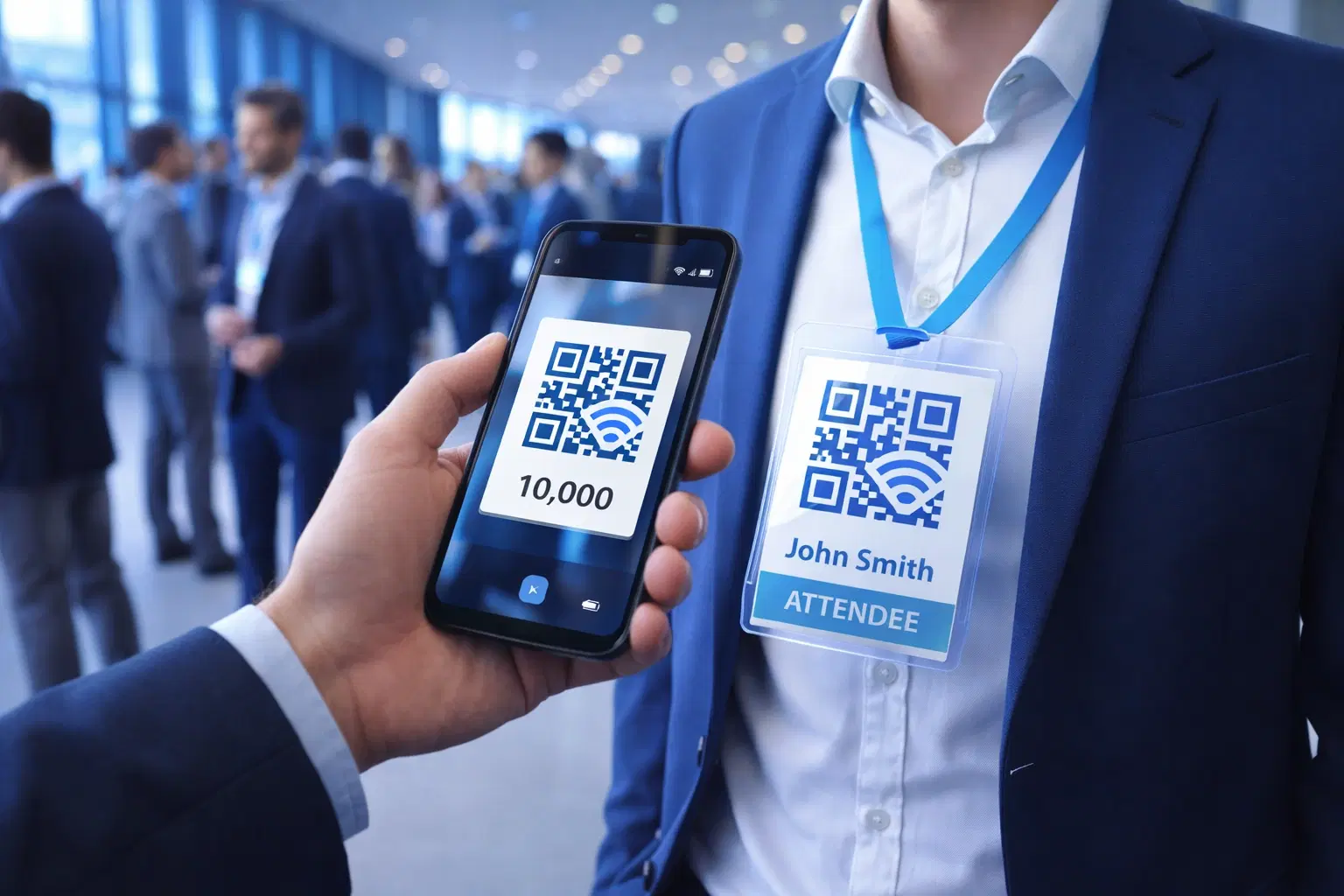
QR Codes for Events: Conferences, Trade Shows & Beyond (Updated 2026)
QR codes turn events from logistical pain into smooth data-rich experiences: instant check-in, smart networking, lead capture for exhibitors, and post-event ROI you can actually prove. Updated May 2026 with the current best practices.
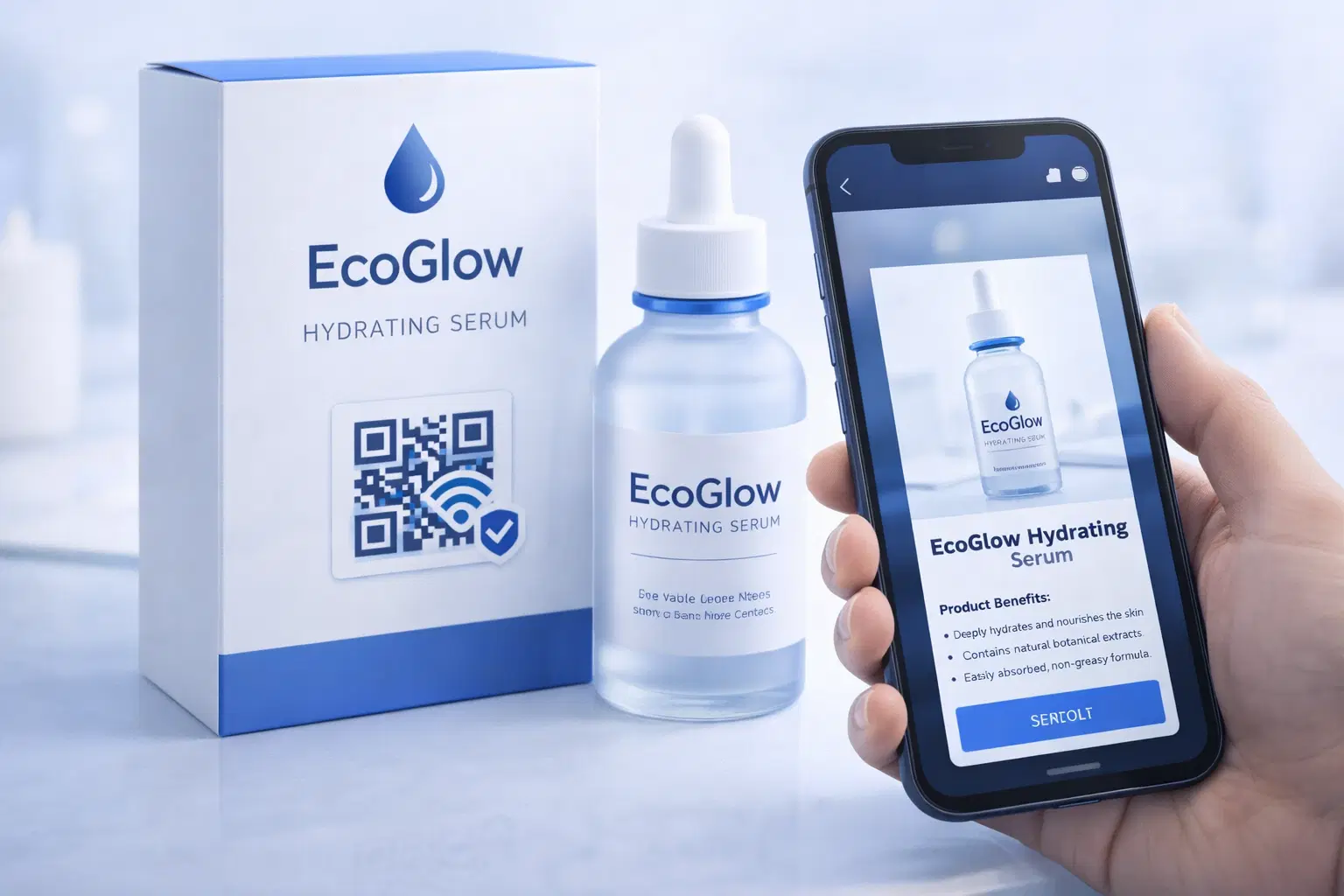
QR Codes on Product Packaging: Engaging Consumers Beyond the Shelf (Updated 2026)
Product packaging is your most-distributed marketing surface. Every unit on every shelf, in every home. QR codes turn that surface into a measurable, updatable channel for engagement, loyalty, and product education. Updated September 2026.