Does GoQR.me Expire? Is It Free Forever? (2026)
GoQR.me makes free static QR codes, so the code image itself never expires. But static codes cannot be edited or tracked, and the real risk is the link behind them going dead. Here is exactly what you get with GoQR.me, and when a dynamic code is safer.

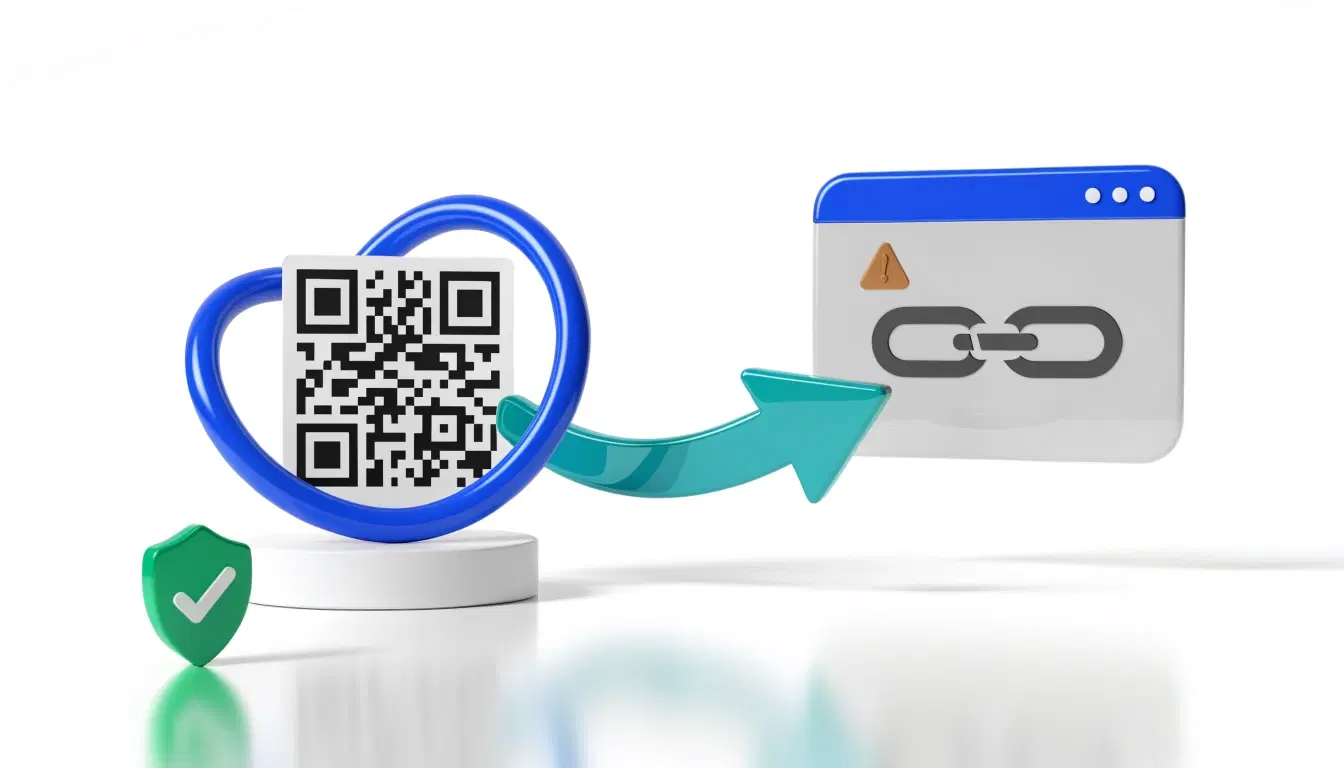
If you made a QR code on GoQR.me and want to know whether it will stop working, the short version is reassuring with one important catch. GoQR.me creates static QR codes, and a static code never expires on its own, the image you downloaded will scan forever. What can break is not the code but the link inside it. This guide explains exactly what GoQR.me gives you, why "does it expire" is the wrong question for a static code, and when a dynamic code is the safer choice. It fits alongside our complete answer to do QR codes expire.
The Short Answer
Does a GoQR.me code expire? No. GoQR.me makes static QR codes, and a static code has its destination encoded directly into the pattern. There is no account, no subscription, and no server in the middle that could switch it off, so the code image itself keeps working indefinitely.
Is GoQR.me free forever? Yes, in the sense that matters: it is free to use, and the codes it makes carry no recurring cost and no expiry. You are not renting anything.
So where is the catch? A static code is permanent in the wrong way. It will always scan, but it will always point to exactly the URL you entered, and you can never change that or see how often it is scanned. The thing that actually fails is the page behind the code, not the code itself. That distinction is the whole story, so it is worth understanding.
Why the Code Image Never Expires (and What Actually Can)
A QR code is just a visual encoding of some data, usually a URL. When GoQR.me generates a static code, your URL is baked directly into the black-and-white pattern. A scanner reads the pattern, gets the URL, and opens it. Nothing phones home, so nothing can expire.
That is why a static code is permanent as an image. But it also means:
The destination is frozen. Whatever URL you typed is locked into the pattern forever. If that URL ever changes or the page moves, the code keeps pointing at the old, now-broken address. See dynamic vs static QR codes.
The link can die even though the code cannot. If you pointed the code at a page on a domain you later stop paying for, a social profile you delete, or a file link that lapses, the code still scans perfectly, it just lands on a dead page. The code outlived the thing it pointed to.
You cannot track or fix it. Because there is no redirect you control, you cannot see scans and you cannot repair a broken link without reprinting a new code. See how to recover a lost QR code link.
So "does GoQR.me expire" quietly becomes a different, more useful question: will the page this code points to still be live and correct for as long as the code is in the wild?
The Real Risk With Static GoQR.me Codes
For a code that will never change and lives somewhere easy to reprint, none of this is a problem. The risk shows up when a static code goes onto something permanent or expensive to redo.
Higher-risk uses for a static code:
- Printed packaging, signage, or product labels that you cannot cheaply reprint if the link changes.
- Business cards or brochures handed out over months or years, pointing to a profile or site that might move.
- Anything you want to measure. A static code gives you zero scan data, so you can never prove it worked.
Lower-risk uses where static is genuinely fine:
- A plain-text or WiFi code with no URL to break.
- A short-lived code for a single event, reprinted each time anyway.
- A link to a stable, long-lived page you fully control.
The mistake is assuming "it never expires" means "it is safe forever." A static code never expires, but the usefulness of a static code depends entirely on a link you can no longer touch. See free QR codes that don't expire for how this plays out across free tools.
Important
A static GoQR.me code cannot be edited after you print it. If there is any chance the destination will change, a static code is a liability, not a convenience, because your only fix is reprinting everything with a new code.
When a Dynamic QR Code Is the Safer Choice
A dynamic QR code solves the exact weakness of a static one. Instead of encoding your final URL, it encodes a short redirect link that you control. The printed code never changes, but you can change where that redirect sends people, anytime, without reprinting. You also get scan analytics because every scan passes through the redirect.
Choose a dynamic code when:
- The destination might ever change.
- The code goes on something hard or costly to reprint.
- You want to know how many scans you got.
- The code needs to keep working reliably for years.
The honest tradeoff: a dynamic code is not a free static image. It depends on a platform running the redirect, so it generally needs an account and usually an ongoing cost. Before choosing one, check two things: that the provider is reputable and likely to last, and what happens to your code if you ever stop paying. See are QR codes free for the full free-versus-paid picture.
QRForever makes permanent dynamic codes with scan analytics and editable destinations, and offers a 7-day full-access trial so you can decide before paying. The point is not that free static is bad, it is excellent for the right job, but that a code you can edit and trust long-term is a different product with a different cost.
Conclusion
GoQR.me does not expire, and it is free, with no catch in the usual sense. The code image it makes is static and will scan forever at no recurring cost. The real question is not whether the code expires but whether the link inside it will stay live and correct, because a static code can never be edited or tracked once it is out in the world.
If your destination is fixed and the code is easy to reprint, GoQR.me is a great free choice. If the link might change, the code lives on something expensive to redo, or you want to measure scans, a dynamic code is the safer option despite its ongoing cost, because it protects you from the one failure a static code cannot: a dead or wrong link you can no longer fix.
Related reading:
Make a permanent, editable QR code with QRForever. 7-day full-access trial, no credit card needed, with scan analytics and a destination you can change anytime.
Explore QRForever Solutions
Ready to Create Your Own QR Codes?
Start creating dynamic QR codes for your business today. Track analytics, update content anytime, and never reprint again.
Related Articles
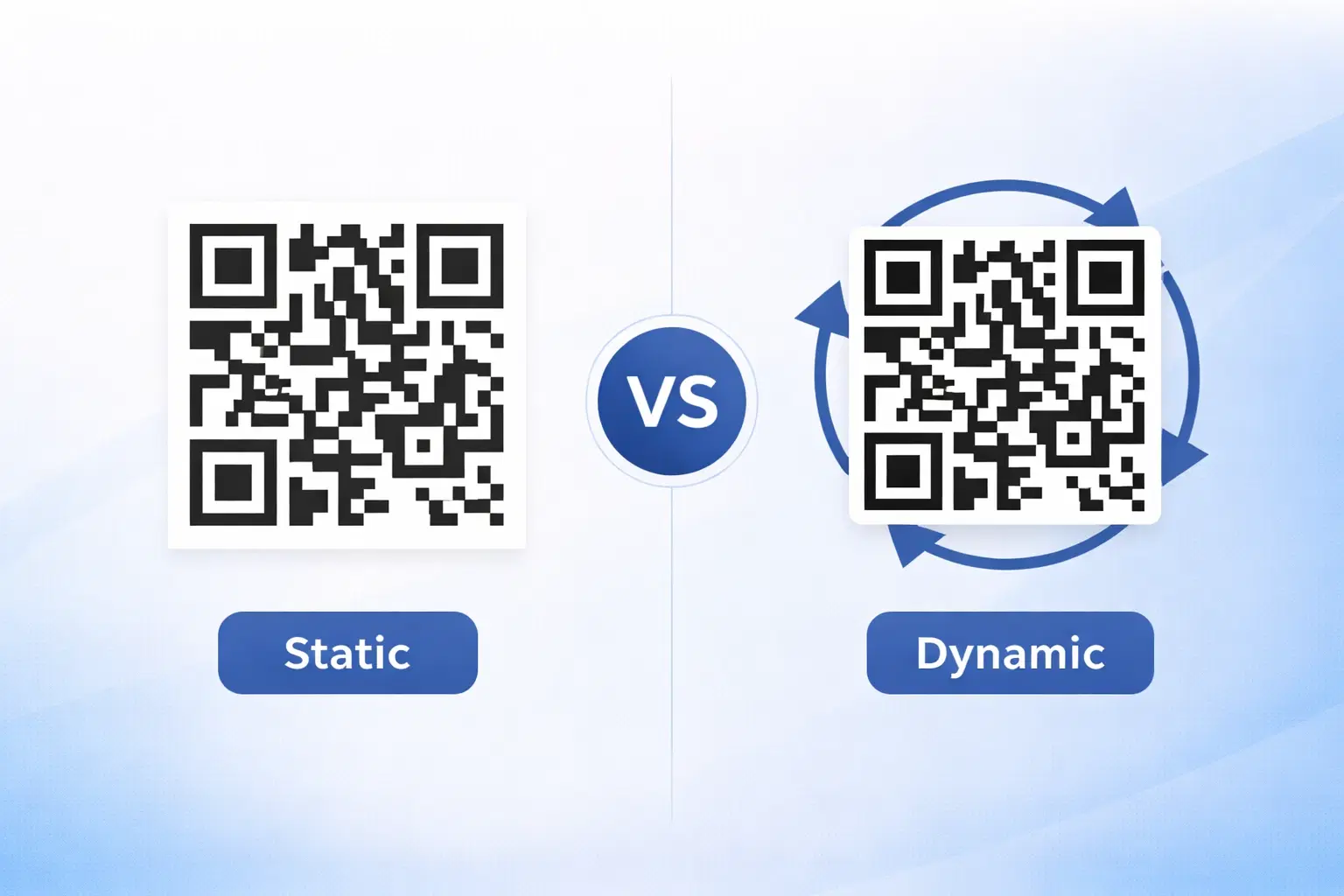
Dynamic vs Static QR Codes: Which One Should You Use? (Updated 2026)
The complete 2026 guide to dynamic vs static QR codes: when each type is right, the hidden costs of choosing wrong, and a decision framework you can apply in 60 seconds. Updated October 2026.
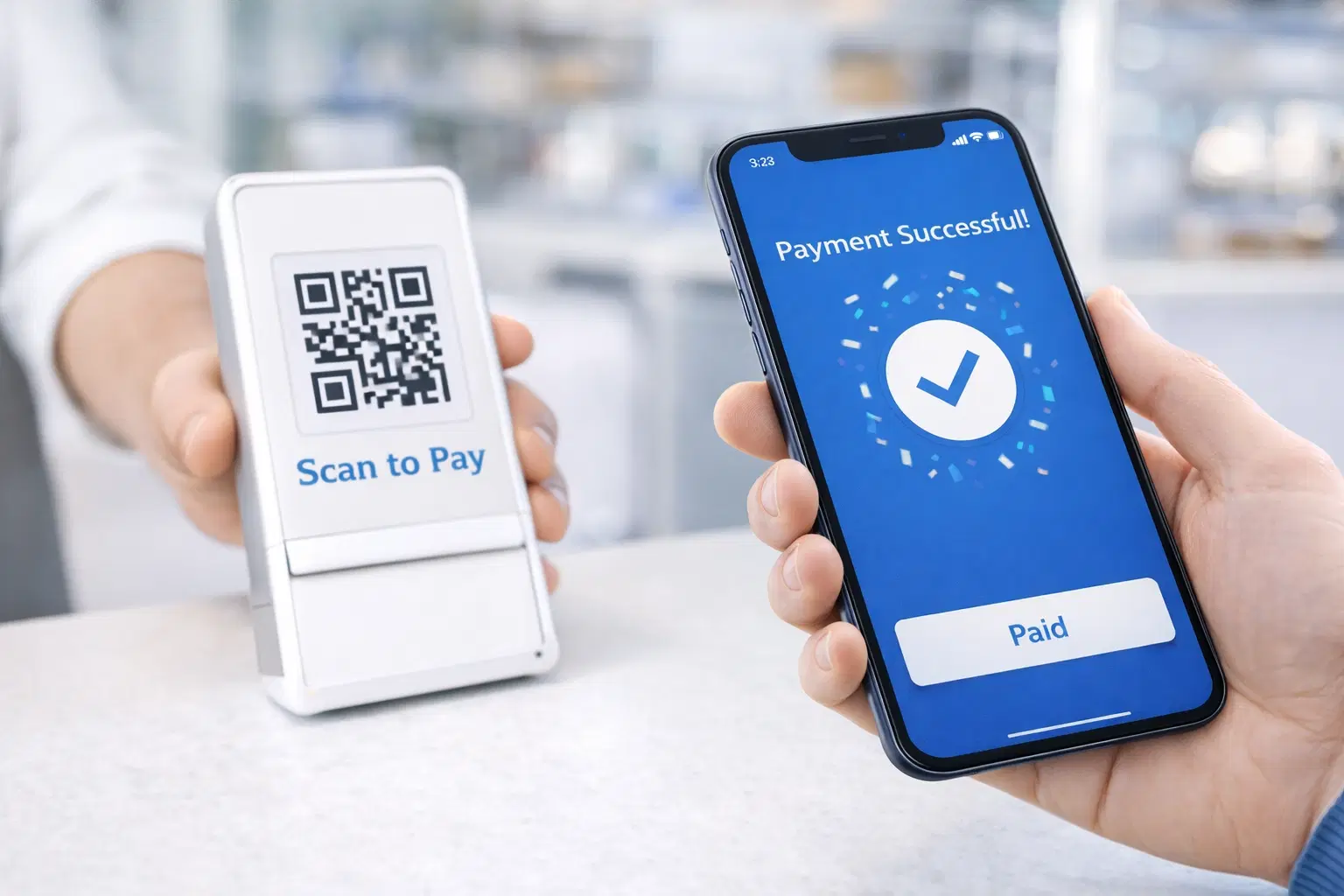
QR Code Payments Explained: How They Work and Why They Matter (Updated 2026)
QR code payments crossed record transaction volumes in 2025 and are now infrastructure, not novelty. Understand how they work: merchant-presented vs consumer-presented, UPI, security, and what it means for your business. Updated June 2026.
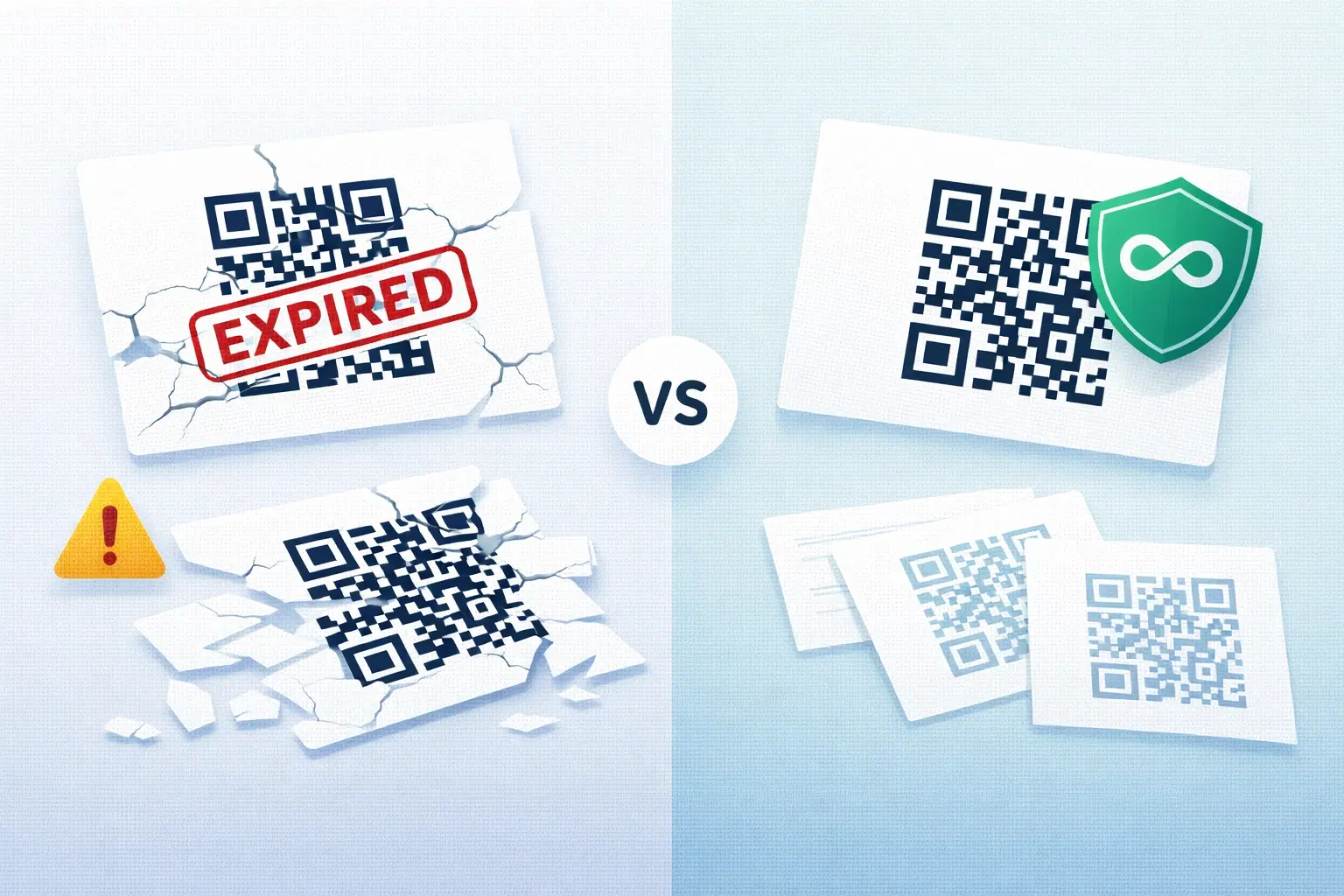
QR Codes That Never Expire: Why Most Free QR Codes Stop Working (Updated 2026)
Free QR codes often expire after 14 to 90 days, breaking printed materials and costing more in reprints than a paid plan ever would. Updated October 2026 guide with platform expiry timelines and a step-by-step rescue plan.