QR Codes for Funeral Homes & Memorial Services (Sensitive Use Cases) 2026
QR codes offer families a meaningful way to share memories, livestream services for distant loved ones, and create lasting digital memorials. Handled with care, they bring real comfort. Here is a respectful 2026 guide for funeral homes.

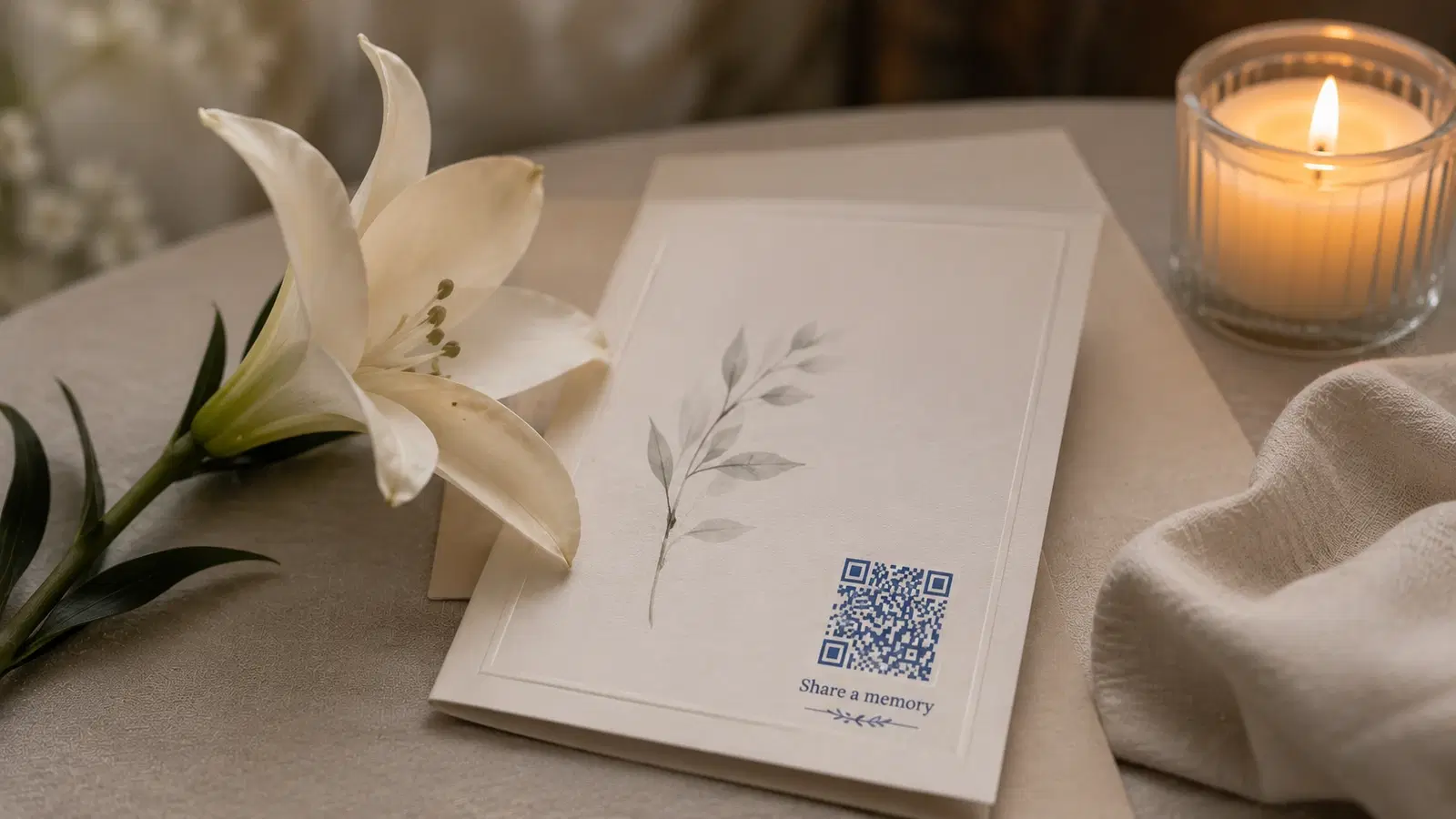
Few moments call for more care than helping a family say goodbye. Funeral homes serve people during their most difficult days, and any technology used in that setting must be handled with sensitivity, dignity, and genuine usefulness, never as a gimmick.
Used thoughtfully, QR codes offer families real comfort. They let distant loved ones attend a service by livestream, give mourners a place to share memories and condolences, and create a lasting digital memorial that keeps a person's story accessible for years. These are meaningful uses, and many families deeply appreciate them.
This guide covers how funeral homes and memorial services can use QR codes respectfully and helpfully: memorial pages, service livestreams, tribute and memory sharing, and lasting remembrance. Throughout, the emphasis is on dignity, the family's wishes, and genuine value to grieving people.
A Note on Sensitivity and Approach
Before any specific use case, the approach matters more here than in any other industry.
Always follow the family's wishes: Every family is different. Some embrace technology that connects far-flung relatives; others prefer a traditional service without screens or scanning. The funeral home's role is to offer these options gently, never to push them. The family decides.
Frame it as a service, not a feature: A QR code in this context is not a marketing tool. It is a way to help a grieving family share memories, include those who cannot attend, and preserve a loved one's story. The language and presentation should reflect that purpose.
Keep it dignified and understated: QR codes on memorial materials should be tasteful and quiet, never prominent or commercial-looking. A small, elegantly placed code on a memorial card or program, with a gentle label like "Share a memory" or "Join the service online."
Privacy is paramount: Memorial pages and tribute content involve a grieving family's private moments. Access, privacy settings, and who can view or contribute must respect the family's wishes. Some families want a public tribute; others want it limited to invited guests. The platform should support both.
Permanence matters here especially: A memorial is meant to last. A QR code linking to a memorial page should use a platform and a dynamic code that will keep working for years, so the code on a memorial card or headstone does not lead to a dead link in the future. See QR codes that never expire.
With that foundation, the use cases below can genuinely comfort families when offered with care.
Pro Tip
Always present QR code options to a family as a gentle choice, explained simply, never as a default or an upsell. A grieving family should feel offered a helpful option, not sold a service. Train staff to introduce it with warmth and to accept "no thank you" gracefully.
Use Case 1: Memorial & Tribute Pages
A memorial page is a lasting online space dedicated to the person who has passed: their life story, photos, and a place for loved ones to leave memories and condolences. A QR code makes that page easy to reach.
How it works: The funeral home (or family) creates a memorial page with the person's obituary, photos, life story, and a guestbook for memories. A QR code linking to this page goes on the memorial card, service program, or other materials. Mourners scan to view the tribute and contribute their own memories.
Why families value it:
- Distant relatives and friends who cannot attend can still participate, view the tribute, and leave a memory
- It gathers memories from many people into one lasting place, often deeply meaningful to the immediate family
- It preserves the person's story and the community's love for them, accessible for years
- It gives mourners a way to express condolences when words in person are hard
Where the QR code goes:
- Memorial cards and prayer cards handed out at the service
- The service program or order of service
- A display at the service or visitation
- Thank-you cards sent afterward
Keep it gentle: A small code with a soft prompt like "Visit [Name]'s memorial and share a memory." Understated and respectful, never prominent.
Use Case 2: Service Livestreams for Distant Loved Ones
Not everyone who loves someone can be physically present to say goodbye. Distance, health, cost, or short notice keep many away. A livestream lets them be part of the service, and a QR code makes joining effortless.
How it works: The service is livestreamed (many funeral homes now offer this). A QR code linking to the livestream is shared with family and friends in advance, or placed on materials, so anyone unable to attend can scan and join the service remotely.
Why this brings real comfort:
- A grandchild studying abroad, a relative too ill to travel, or a friend across the country can still witness the service and feel part of the farewell
- It eases the guilt and grief of those who genuinely cannot be there
- For services with limited capacity, it includes everyone who wishes to attend
How to share the livestream QR code:
- In the service announcement or invitation
- On a card for those who cannot attend in person
- Sent digitally to the family's contacts to share as they wish
Privacy and access: The family chooses who can access the livestream. The QR code can link to a private, access-controlled stream for invited guests only, or a more open one, per the family's wishes. Respect their choice completely.
A dynamic code helps: A dynamic QR code lets the funeral home set up the code in advance and point it to the specific service stream, and later to a recording of the service if the family wants one available afterward.
Important
Livestreaming and recording a funeral service is a deeply personal decision that belongs entirely to the family. Never livestream or record without explicit family consent, and always honor their wishes on who may view it. Some cultures and faiths have specific views on this; defer to the family and their traditions in every case.
Use Case 3: Lasting Digital Remembrance
Beyond the service itself, QR codes can create a lasting connection to a loved one's memory, in ways families increasingly find meaningful.
Memorial QR codes on headstones and markers: A growing practice is placing a small, weather-durable QR code on a headstone, grave marker, or memorial bench. Visitors scan it to view the person's memorial page, life story, photos, and tributes. It connects the physical place of remembrance to a rich digital memory.
Why families find this meaningful:
- A headstone holds only a name and dates; a linked memorial page holds a whole life
- Future generations can learn about an ancestor by scanning at the grave
- It keeps the person's story alive and accessible, long after the service
Durability and permanence are critical here: A memorial QR code on a headstone must last for many years outdoors and must keep working. This means a durable, weatherproof engraved or specially manufactured code, and a dynamic code on a platform chosen for longevity, so the link never dies. This is the most permanence-critical QR use case of all. See QR codes that never expire.
Memorial keepsakes: QR codes on memorial keepsakes, such as cards, jewelry, or printed memory books, linking to the digital tribute, photos, or video memories. A quiet, personal way for the family to keep their loved one's memory close.
Anniversary and ongoing remembrance: The memorial page the QR code links to can be a place the family returns to on anniversaries and special days, adding new reflections over time. The code becomes a doorway to ongoing remembrance, not just a one-time service.
Handled with the care it deserves, this kind of lasting digital remembrance is something many families treasure.
- Memorial page QR on cards and programs, gentle and understated
- Livestream QR so distant loved ones can attend, with family consent
- Headstone or marker QR for lasting remembrance (must be durable and permanent)
- Keepsake QR linking to photos, video, and tributes
- A returning place for remembrance on anniversaries
- Privacy and permanence handled with the utmost care throughout
Conclusion
Used with sensitivity and genuine care, QR codes offer grieving families real comfort. They include distant loved ones through livestreams, gather a community's memories into a lasting tribute, and keep a person's story accessible for years through memorial pages and headstone codes. These are not features to be marketed; they are services that can ease one of life's hardest moments.
For funeral homes, the guiding principles are simple: always follow the family's wishes, present every option gently and never as an upsell, keep all materials dignified and understated, protect the family's privacy completely, and use permanent, durable codes so a memorial link lasts as long as the memory it holds. Handled this way, QR codes become a quiet, meaningful part of helping families remember and say goodbye.
Related reading:
Create a lasting, dynamic QR code with QRForever. Start a 7-day full-access trial, no credit card needed. Dynamic codes stay editable and keep working for years, suited to memorial pages meant to endure.
Explore QRForever Solutions
Ready to Create Your Own QR Codes?
Start creating dynamic QR codes for your business today. Track analytics, update content anytime, and never reprint again.
Related Articles
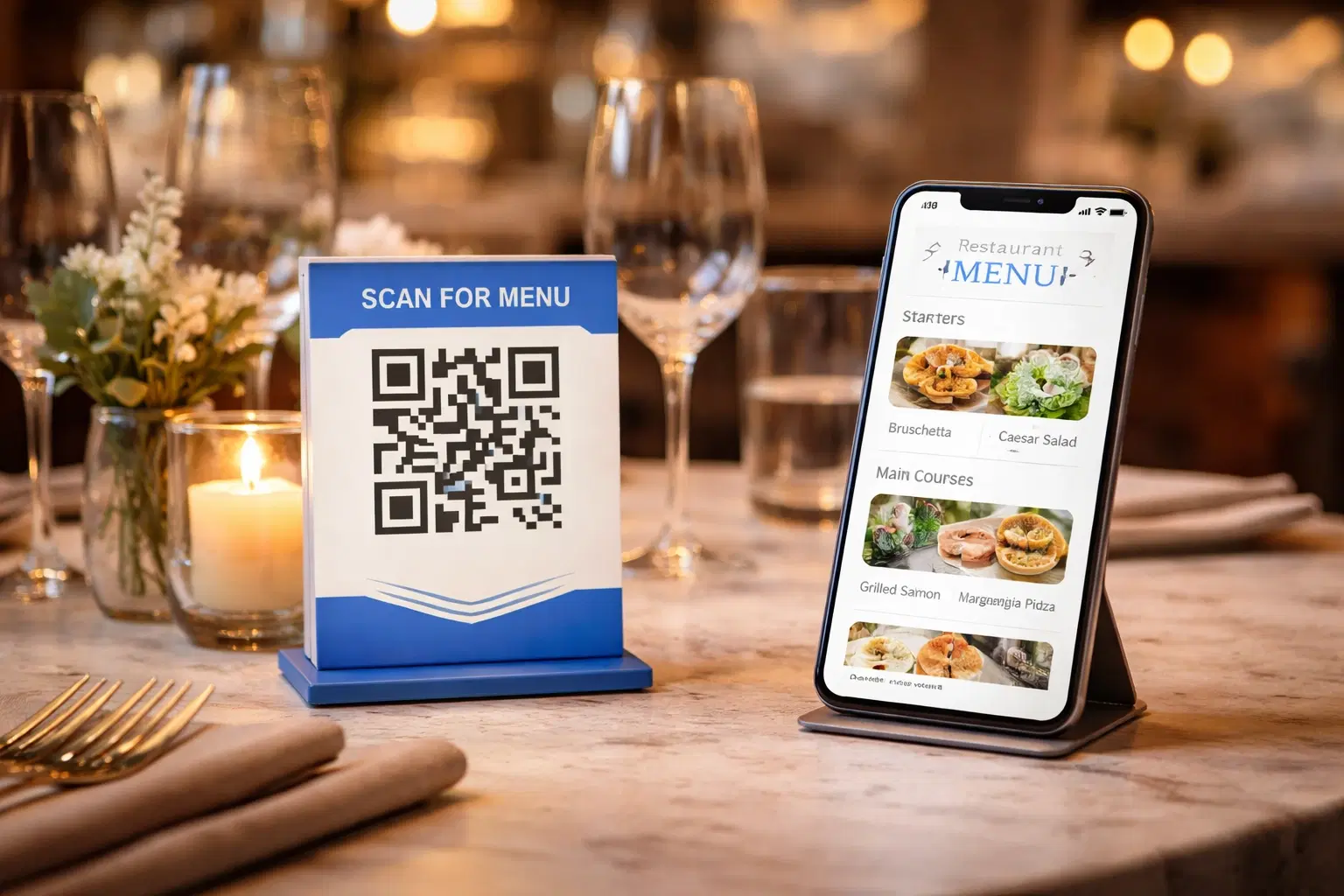
QR Code Menus for Restaurants: The Complete Setup Guide (Updated 2026)
Step-by-step guide to implementing QR code menus in your restaurant. Covers menu format options, placement strategy, staff training, and the one mistake that causes reprints. Updated May 2026.
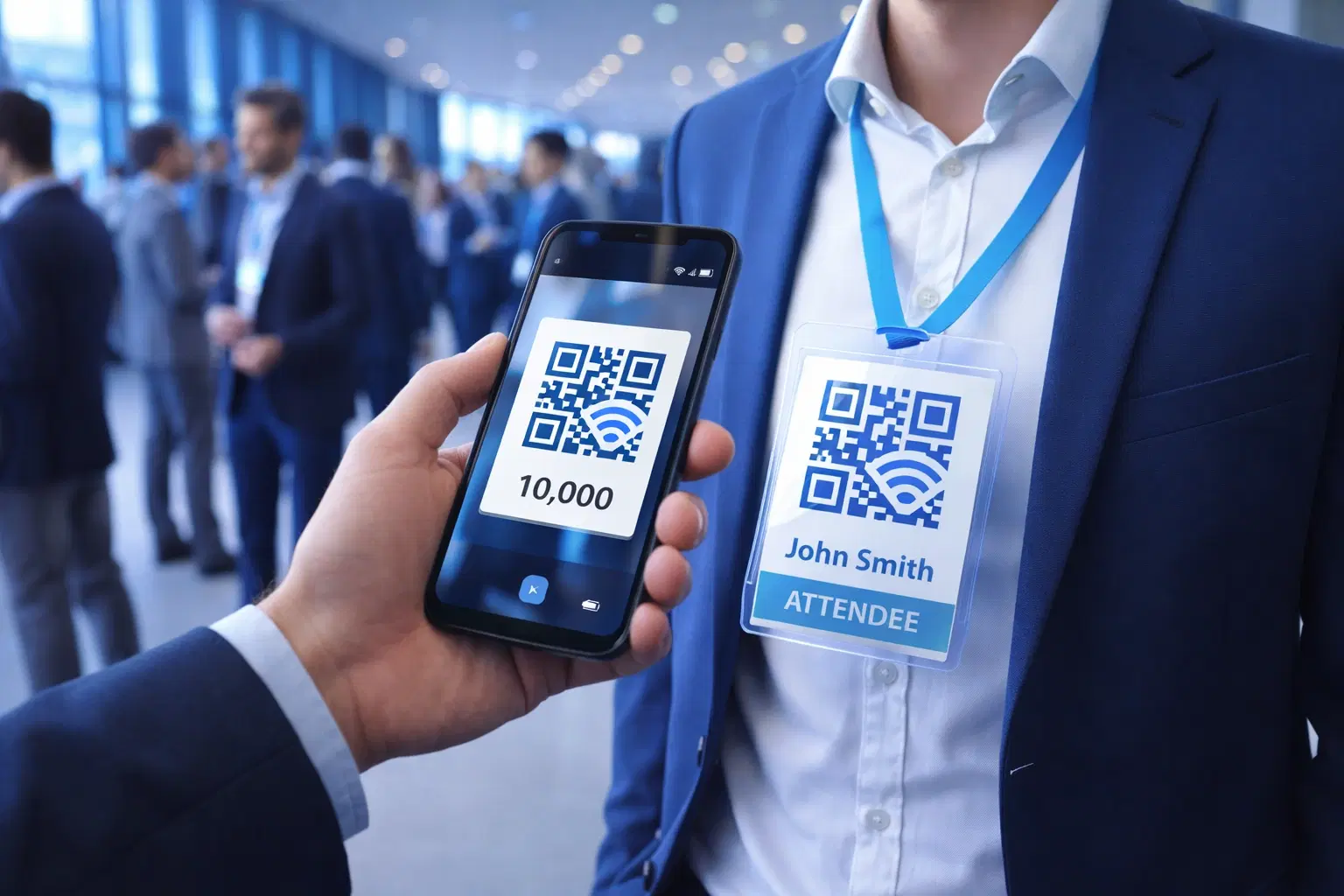
QR Codes for Events: Conferences, Trade Shows & Beyond (Updated 2026)
QR codes turn events from logistical pain into smooth data-rich experiences: instant check-in, smart networking, lead capture for exhibitors, and post-event ROI you can actually prove. Updated May 2026 with the current best practices.
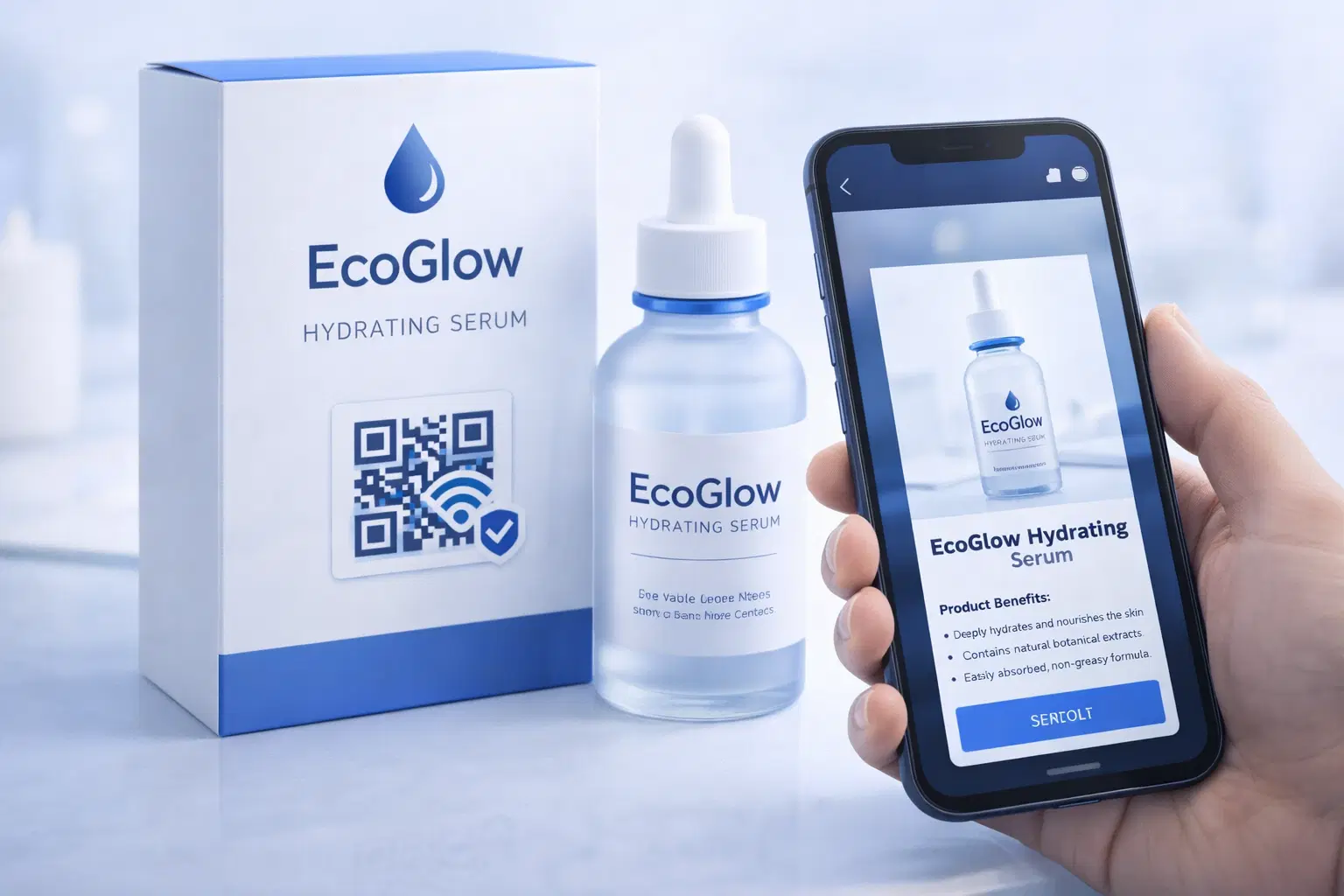
QR Codes on Product Packaging: Engaging Consumers Beyond the Shelf (Updated 2026)
Product packaging is your most-distributed marketing surface. Every unit on every shelf, in every home. QR codes turn that surface into a measurable, updatable channel for engagement, loyalty, and product education. Updated September 2026.